Understanding Proximity Sensor Transducers
Proximity sensor transducers are critical components in modern industrial automation, converting the detection of a nearby object into an electrical signal without physical contact. These devices are fundamental for tasks like position sensing, counting, and object detection on assembly lines. The transducer element is the core that translates the physical phenomenon—whether inductive, capacitive, ultrasonic, or photoelectric—into a usable voltage or current output. Selecting the right transducer directly impacts system reliability, accuracy, and longevity. Engineers must consider factors such as sensing range, output type (e.g., NPN/PNP, analog, IO-Link), environmental robustness, and mounting requirements. A deep understanding of these parameters is the first step in sourcing the correct component for any application.
Primary Sourcing Channels: Manufacturers and Distributors
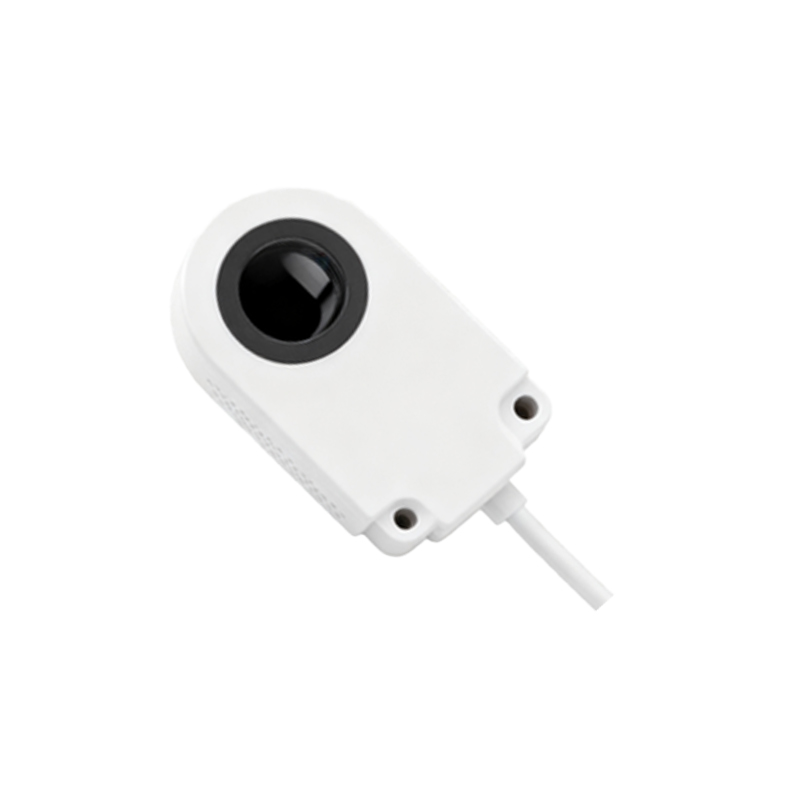
The most direct and reliable sources for proximity sensor transducers are the original equipment manufacturers (OEMs) and their authorized industrial distributors. Leading global manufacturers like Siemens, Omron, Pepperl+Fuchs, Balluff, and ifm electronic produce a vast range of high-quality transducers. Purchasing directly from these OEMs or their official online stores guarantees product authenticity, access to full technical specifications, and direct manufacturer support. For most procurement needs, however, authorized industrial distributors like Allied Electronics, Digi-Key, RS Components, and Grainger are the go-to channels. They offer extensive inventories, competitive pricing, faster shipping options, and valuable local technical support. These distributors act as crucial intermediaries, simplifying the supply chain for maintenance and project teams.
Specialized Industrial Automation Suppliers
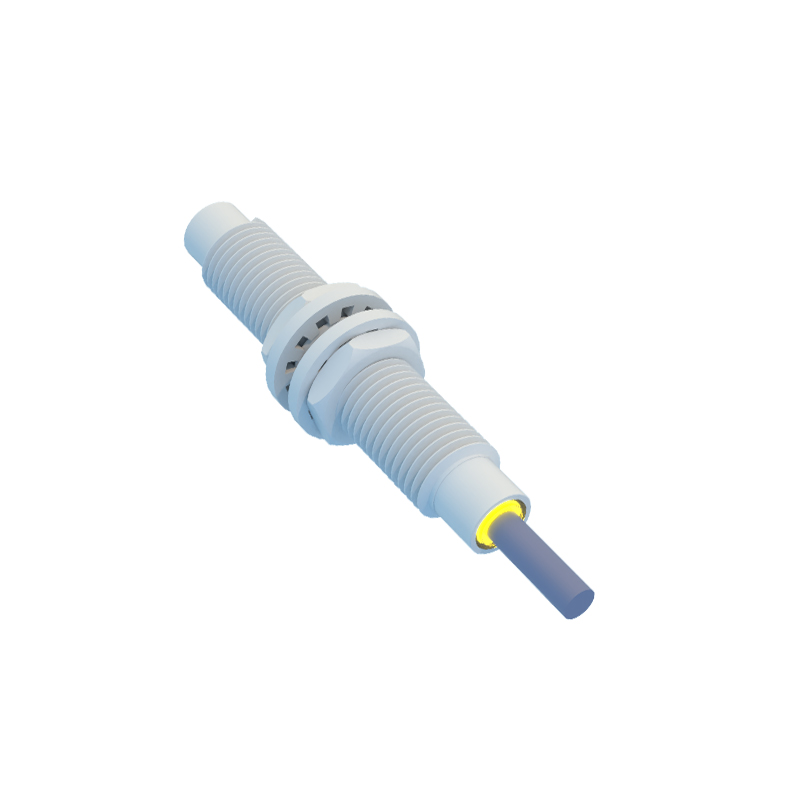
Beyond broad-spectrum distributors, specialized automation suppliers focus exclusively on factory control and sensing solutions. Companies such as AutomationDirect, Phoenix Contact, and SICK offer curated catalogs rich with proximity sensors and their transducers. These suppliers often provide superior product expertise, application-specific guidance, and robust e-commerce platforms with advanced filtering tools. They cater specifically to control engineers and system integrators, making it easier to find specialized items like high-temperature transducers, miniature sensors, or devices with specific certifications (e.g., ATEX for hazardous areas). Building a relationship with a specialized supplier can yield benefits like better pricing on volume orders and prioritized technical consultation.
The Role of Online Marketplaces and Auctions
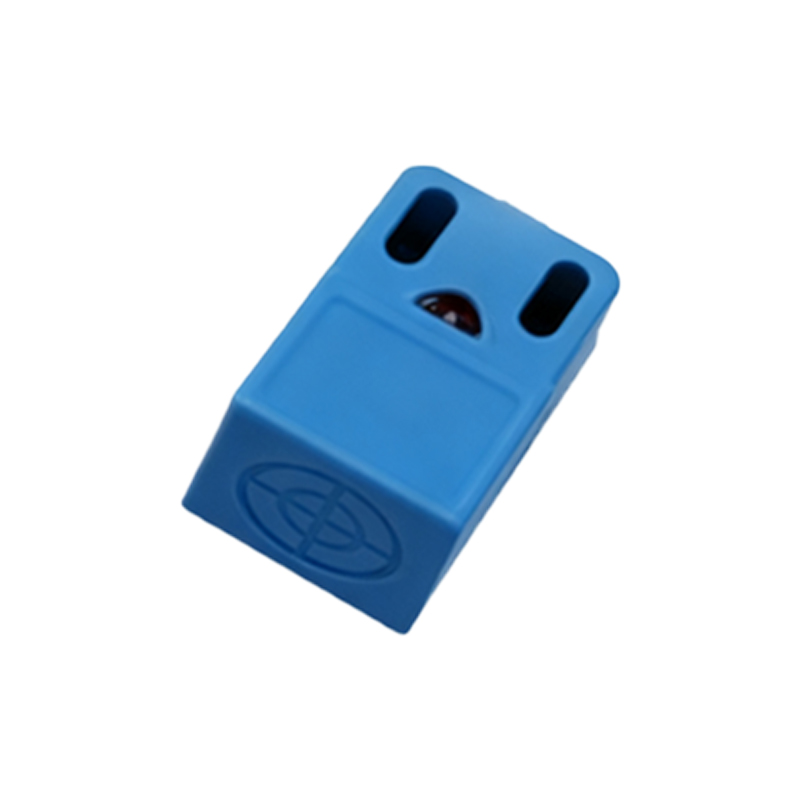
Online marketplaces have become a significant force in industrial component sourcing. Platforms like Amazon Business, eBay, and even Alibaba host numerous sellers offering new, used, or refurbished proximity sensor transducers. While these platforms can offer attractive prices and hard-to-find obsolete models, caution is paramount. Buyers must diligently verify seller ratings, check for OEM packaging, and scrutinize product descriptions to avoid counterfeit or substandard goods. This channel is often suitable for prototyping, emergency replacements, or sourcing discontinued parts where OEM support has ended. It is generally less recommended for critical, high-volume production applications where traceability and guaranteed performance are non-negotiable.
Evaluating Technical Support and Documentation
The source of a proximity sensor transducer is not just about the physical product; it's equally about the support infrastructure. Reputable suppliers provide comprehensive technical documentation, including detailed datasheets, 2D/3D CAD models, installation manuals, and application notes. Before finalizing a purchase, evaluate the supplier's ability to offer technical support. Can they answer specific application questions? Do they provide configuration software or sizing tools? A supplier with strong engineering support can prevent costly misapplications and downtime. This layer of service is typically strongest with authorized distributors and direct OEM channels, adding immense value beyond the simple transaction.
Considerations for Global and Local Supply Chains
In today's interconnected yet volatile supply chain environment, sourcing strategy must balance global availability with local resilience. While global distributors offer vast selection, establishing a relationship with a local or regional industrial supplier can be invaluable for reducing lead times and ensuring supply continuity. For multinational corporations, leveraging global framework agreements with major distributors ensures consistent pricing and part numbers across facilities. However, for plant-level maintenance, having a trusted local supplier who can deliver a critical transducer within hours can mean the difference between a minor stoppage and a prolonged, expensive outage. A dual-sourcing strategy is often the most prudent approach.
Future Trends: Digital Procurement and Sensor Integration
The process of finding and purchasing proximity sensor transducers is becoming increasingly digital. OEMs and distributors are enhancing their online platforms with AI-driven product selectors, real-time inventory APIs, and seamless integration with enterprise resource planning (ERP) systems. Furthermore, the rise of Industry 4.0 and IIoT is driving demand for "smart" transducers with integrated diagnostics and communication protocols like IO-Link. Sourcing these advanced devices requires