Introduction to Proximity Switch Fundamentals
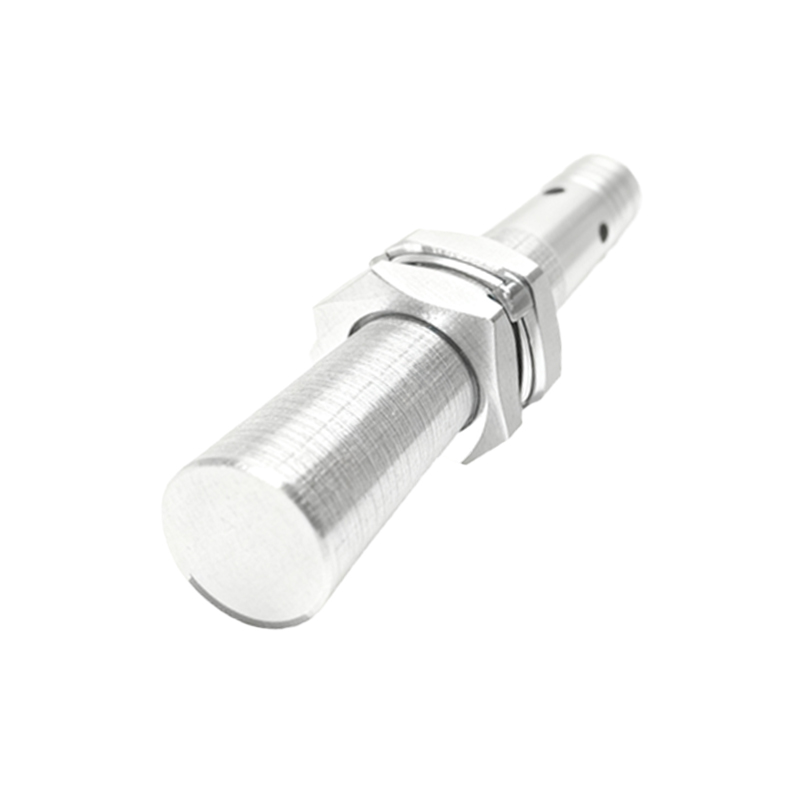
A proximity switch, often termed a proximity sensor, is a non-contact electronic device designed to detect the presence or absence of an object within its sensing range without any physical contact. This fundamental principle makes it indispensable in industrial automation, where reliability, speed, and durability are paramount. Unlike mechanical limit switches, proximity switches operate by generating an electromagnetic field or a beam of radiation. When a target object enters this field, it causes a change in the sensor's oscillation or signal, which is then converted into an electrical output signal. This output typically controls a relay, programmable logic controller (PLC) input, or other control system components, initiating actions like stopping a conveyor, counting parts, or verifying positioning. The core advantage lies in its solid-state design, offering a long operational life with minimal maintenance, as there are no moving parts to wear out.
Core Sensing Technologies and Operating Principles
Proximity switches are categorized primarily by their underlying technology, each suited for specific applications and materials. Inductive proximity sensors are the most common in metalworking environments. They generate an oscillating electromagnetic field. When a metallic object enters this field, it induces eddy currents on the object's surface, which dampens the sensor's oscillation and triggers a switching output. These sensors are ideal for detecting ferrous and non-ferrous metals, though with varying sensing distances. Capacitive proximity sensors, on the other hand, can detect both metallic and non-metallic materials such as plastics, wood, liquids, and granules. They function by measuring changes in capacitance between the sensor's active surface and the target object acting as the second capacitor plate. Ultrasonic proximity sensors use sound waves beyond human hearing. They measure the time taken for an emitted sound pulse to reflect off a target and return, calculating distance. This technology is excellent for detecting objects of any material, including transparent ones, and is used in level sensing and complex positioning tasks.
Integration into Sensor Control Systems
The true power of a proximity switch is realized through its integration into a broader sensor control system. The output from the switch is a critical input signal for system controllers. Most industrial proximity switches provide discrete digital outputs, either as NPN (sinking) or PNP (sourcing) transistor configurations, or as a relay contact. This output wire is connected directly to the input module of a PLC. Within the PLC's ladder logic or structured text program, this input condition is used to make real-time control decisions. For instance, a sensor detecting a widget on a conveyor can trigger a timer in the PLC, which then activates a robotic arm for pick-and-place operations after a precise delay. Advanced sensors with analog outputs (4-20 mA or 0-10V) provide continuous distance or position feedback, enabling proportional control rather than simple on/off switching. This integration allows for sophisticated automation sequences, safety interlocks, and precise process monitoring.
Key Selection Criteria for Optimal Performance
Selecting the correct proximity switch is critical for reliable sensor control. Engineers must consider several key parameters. Sensing range, the maximum distance at which the sensor can reliably detect a standard target, is a primary factor. It's crucial to note that the effective range can be influenced by the target material, size, and shape. The sensor's housing material and shape (barrel, rectangular, ring-shaped) must withstand the industrial environment, including exposure to chemicals, coolants, or physical impact. Environmental ratings, particularly the Ingress Protection (IP) code, indicate resistance to dust and water, which is vital for washdown areas or outdoor use. Output type (NPN/PNP, NO/NC) must be compatible with the control system's input card. Additionally, switching frequency defines how quickly the sensor can respond to objects passing by, a vital spec for high-speed production lines. Finally, factors like temperature range, flush or non-flush mounting capability, and connection type (pre-wired or quick-disconnect) round out the selection checklist.
Applications in Modern Industrial Automation
Proximity switches are ubiquitous across all facets of manufacturing and processing. In automotive assembly, they verify the presence of components like pistons or gears before a machining operation, ensuring process integrity. On packaging lines, they count bottles or boxes, providing data for inventory and triggering diverters. In metal stamping presses, they serve as vital safety devices, confirming that the die area is clear before initiating a press cycle. Material handling systems rely on them for pallet positioning and end-of-travel limits on automated guided vehicles (AGVs) and cranes. In food and beverage processing, capacitive sensors monitor liquid levels in tanks, while stainless-steel-housed inductive sensors detect metal caps on bottles. Their role in enabling