Understanding Slot Type Photoelectric Sensors
Slot type photoelectric sensors, also known as through-beam sensors, consist of a transmitter and receiver housed in a single U-shaped unit. The transmitter emits a light beam, typically infrared or visible red, across the gap to the receiver. When an object passes through the slot, it interrupts this beam, causing the sensor to trigger an output signal. This design eliminates the need for precise alignment of separate components, making installation straightforward. These sensors are valued for their reliability in detecting small, fast-moving objects, as the focused beam provides a consistent detection point. Common light sources include LEDs for longevity, with some models offering modulated light to resist ambient interference. The slot's width and depth determine the size of objects it can accommodate, making selection critical for application success.
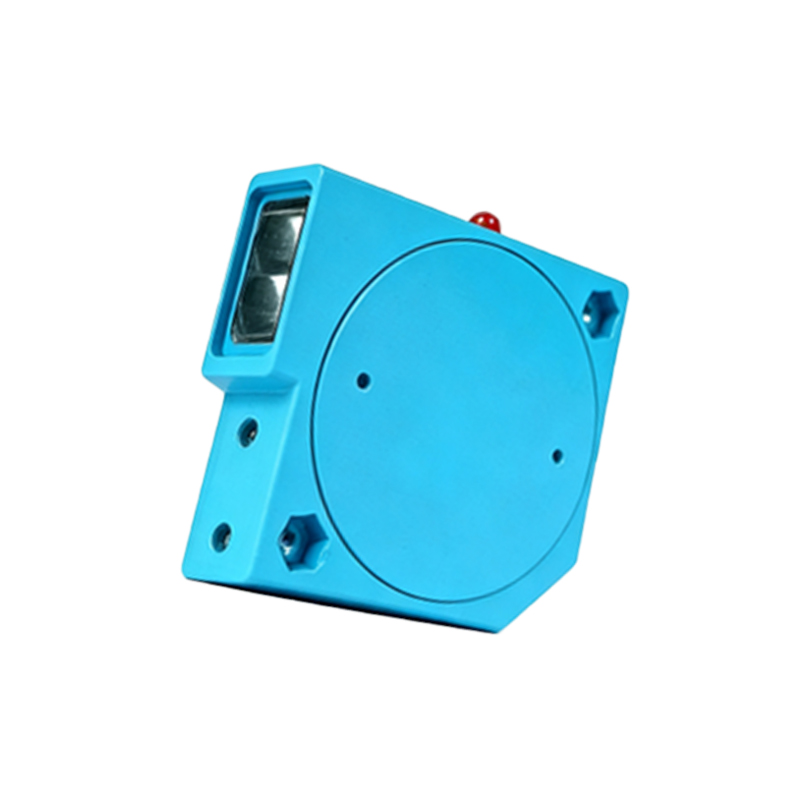
Key Applications in Automation
In industrial automation, slot sensors excel in tasks requiring precise object detection. They are widely used in conveyor systems to count products, verify presence, or trigger sorting mechanisms. For example, in packaging lines, they detect labels, tabs, or missing items on moving goods. Printers and copiers employ them to sense paper jams or monitor sheet feed, ensuring smooth operation. Another critical use is in safety systems, where they act as interlocks to halt machinery if a hand or tool enters a hazardous zone. Robotics integrate these sensors for part positioning or end-effector verification. Their ability to detect transparent materials, like glass or plastic films, makes them ideal for quality control in manufacturing, where even clear objects interrupt the light beam effectively.
Installation and Alignment Best Practices
Proper installation maximizes sensor performance. Mount the sensor securely using brackets to minimize vibration, which can cause false triggers. Ensure the slot is oriented perpendicular to the object's path for consistent beam interruption. Avoid placing sensors near strong light sources, such as direct sunlight or high-intensity lamps, to prevent interference. If ambient light is unavoidable, select models with modulated light or polarizing filters. The sensing distance should match the application; for instance, a narrow slot suits small parts, while a wider gap accommodates larger items. Regularly clean the lens surfaces with a soft cloth to prevent dust or debris from blocking the beam. Test the sensor with actual objects during setup to verify reliability under operating conditions.
Wiring and Electrical Configuration
Slot sensors typically offer digital outputs, such as NPN or PNP transistors, compatible with PLCs or controllers. Wiring follows standard practices: connect the power supply (usually 10-30V DC) to the designated terminals, and link the output to the control system. Some sensors provide adjustable sensitivity or time delays via potentiometers or teach-in functions. For example, a delay can prevent rapid toggling from vibrating objects. Always refer to the datasheet for voltage ratings and load current limits to avoid damage. In noisy electrical environments, use shielded cables and ground the sensor properly to reduce electromagnetic interference. For multi-sensor setups, ensure adequate power distribution to prevent voltage drops that could affect performance.
Troubleshooting Common Issues
If a sensor fails to detect objects, first check for power and output indicators. A steady light often means the beam is unobstructed, while a flickering signal may indicate alignment issues or weak reception. Realign the sensor if the receiver isn't fully capturing the beam. Inspect for obstructions like dirt or damage to the lens. Test with an opaque object to confirm basic functionality. False triggers can stem from reflective surfaces bouncing light into the receiver; use sensors with cross-polarization or adjust the angle to mitigate this. Environmental factors, such as temperature extremes or humidity, may require selecting ruggedized models with IP67 ratings. Log operational data to identify patterns, like intermittent failures linked to specific machinery cycles.
Advantages Over Other Sensor Types
Compared to diffuse or retro-reflective sensors, slot types offer higher accuracy and consistency due to their direct beam path. They are less affected by object color, texture, or reflectivity, making them versatile for diverse materials. The integrated housing reduces setup time and maintenance, as there's no need to align separate units. However, they may not suit large or irregularly shaped objects that exceed the slot dimensions. In such cases, consider through-beam sensors with separate components. Slot sensors also provide fast response times, often in microseconds, ideal for high-speed applications like bottling lines. Their durability and long service life, with LED sources lasting years, contribute to lower total cost of ownership in industrial settings.
Future Trends and Innovations
Advancements in slot sensor technology focus on miniaturization and smart features. Smaller slots enable detection of tiny components in electronics assembly. Integrated IO-Link interfaces allow for digital communication, enabling remote configuration, diagnostics, and data logging for predictive maintenance. Enhanced materials, like corrosion-resistant coatings, expand use in harsh environments like food processing or outdoor applications. Energy-efficient designs reduce power consumption, aligning with sustainability goals. Additionally, some models now incorporate background suppression techniques to ignore distant objects, improving precision. As Industry 4.0 evolves, these sensors will play a key role in interconnected systems, providing real-time feedback for automated decision-making and efficiency optimization.