Servo proximity sensor cables are critical components in modern automation systems, ensuring reliable signal transmission between sensors and control units. These specialized cables are designed to withstand harsh industrial environments while maintaining precise electrical performance. Unlike standard wiring, servo proximity sensor cables incorporate shielding to minimize electromagnetic interference, which is essential for accurate proximity detection in applications like robotic arms, CNC machinery, and assembly lines.
The construction of these cables typically involves multiple conductors, often arranged in a twisted pair or coaxial configuration. This design reduces crosstalk and signal degradation over long distances. Materials such as polyurethane or PVC jackets provide resistance to oils, chemicals, and abrasion, extending the cable's lifespan in demanding settings. Connectors at each end must match the sensor and servo drive specifications, with common types including M8, M12, or custom circular connectors that offer secure, vibration-resistant connections.
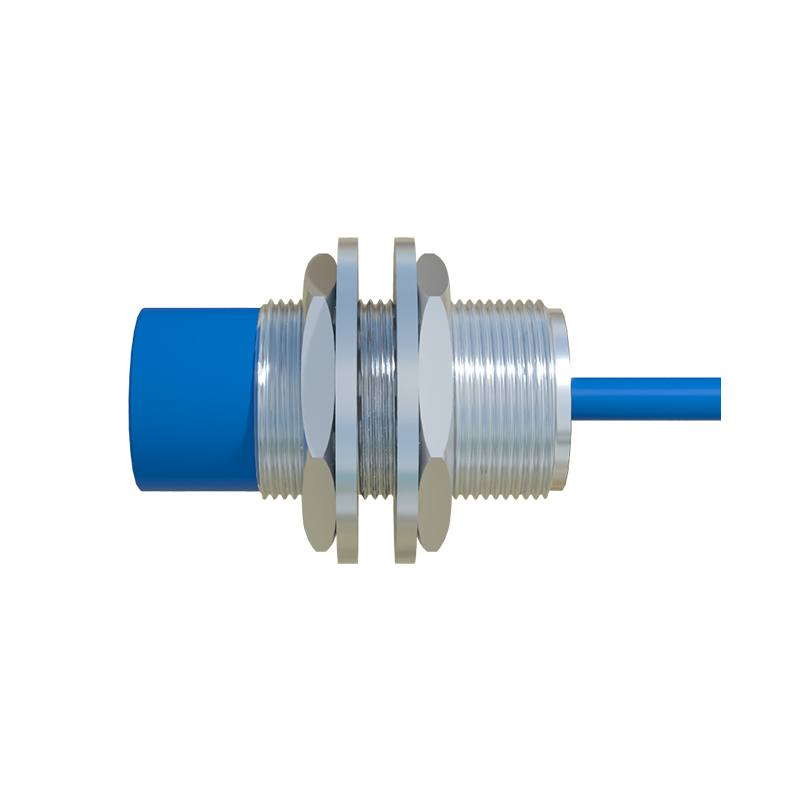
Proper installation is key to maximizing performance. Cables should be routed away from high-voltage power lines and moving parts to prevent damage. Strain relief mechanisms, such as cable glands or clamps, help avoid tension on the connections, which can lead to wire fatigue or disconnection. Regular inspection for wear, especially at bend points or near connectors, is recommended to preempt failures. In cases of signal issues, checking the cable integrity—using tools like multimeters for continuity or insulation resistance tests—can quickly identify problems like breaks or shorts.
Selecting the right cable involves considering factors like length, flexibility, and environmental ratings. Longer cables may require higher gauge wires to reduce voltage drop, while dynamic applications need highly flexible cores to endure continuous movement. Standards such as IP67 or IP68 ratings indicate suitability for dusty or wet conditions. Additionally, compliance with industry regulations, such as UL or CE markings, ensures safety and compatibility.
Maintenance practices include keeping connectors clean and free of debris, as contamination can disrupt signals. When replacing cables, it is advisable to use identical or manufacturer-approved alternatives to avoid mismatches in impedance or shielding. Upgrading to higher-performance variants, like those with double shielding or braided jackets, can enhance reliability in electrically noisy environments.
In summary, servo proximity sensor cables are engineered for precision and durability. Their role in maintaining system accuracy underscores the importance of correct selection, installation, and upkeep. By adhering to best practices, operators can minimize downtime and ensure seamless automation processes, ultimately supporting efficient and safe industrial operations.