Understanding Photoelectric Sensors
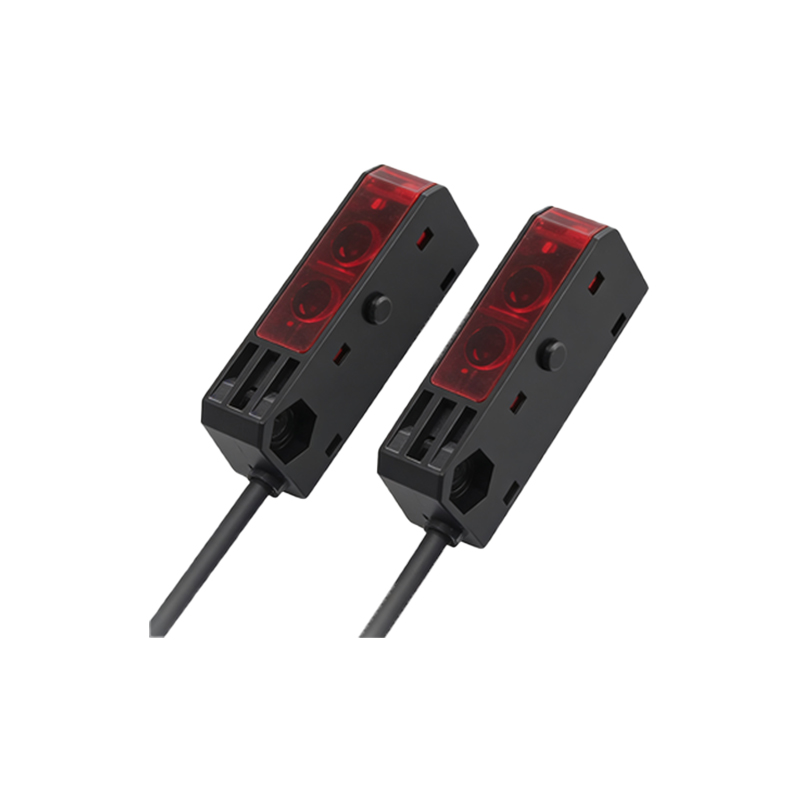
A photoelectric sensor is a device that detects the presence, absence, or distance of an object using a light transmitter and receiver. It operates by emitting a beam of light, often infrared, visible, or laser light, and then measuring the changes in the received light signal. These sensors are widely used in industrial automation for tasks such as object detection, counting, and positioning. The core principle relies on the photoelectric effect, where light energy is converted into electrical signals. Common types include through-beam, retro-reflective, and diffuse reflective sensors, each suited for specific applications based on range and environmental conditions.
Basic Components and Functionality of Cameras
A camera, in its modern digital form, consists of key components like a lens, image sensor, and processing unit. The lens focuses light onto the image sensor, which is typically a charge-coupled device (CCD) or complementary metal-oxide-semiconductor (CMOS) chip. This sensor converts incoming photons into electrical charges, which are then processed to form a digital image. Cameras capture visual data in detail, enabling applications from photography to surveillance. Unlike simple photoelectric sensors, cameras can interpret complex scenes, colors, and patterns, making them versatile tools in both consumer and industrial settings.
Comparing Cameras and Photoelectric Sensors
While both cameras and photoelectric sensors utilize light to gather information, they differ significantly in purpose and complexity. Photoelectric sensors are designed for binary detection—simply identifying if an object is present or not—based on light interruption or reflection. They are optimized for speed, reliability, and harsh environments. In contrast, cameras capture comprehensive visual data, allowing for advanced analysis like image recognition and measurement. Technically, cameras incorporate photoelectric elements within their image sensors, but they go beyond basic sensing by processing detailed imagery. Thus, a camera can be seen as an advanced form of photoelectric device, but not a typical photoelectric sensor.
Industrial Applications and Overlaps
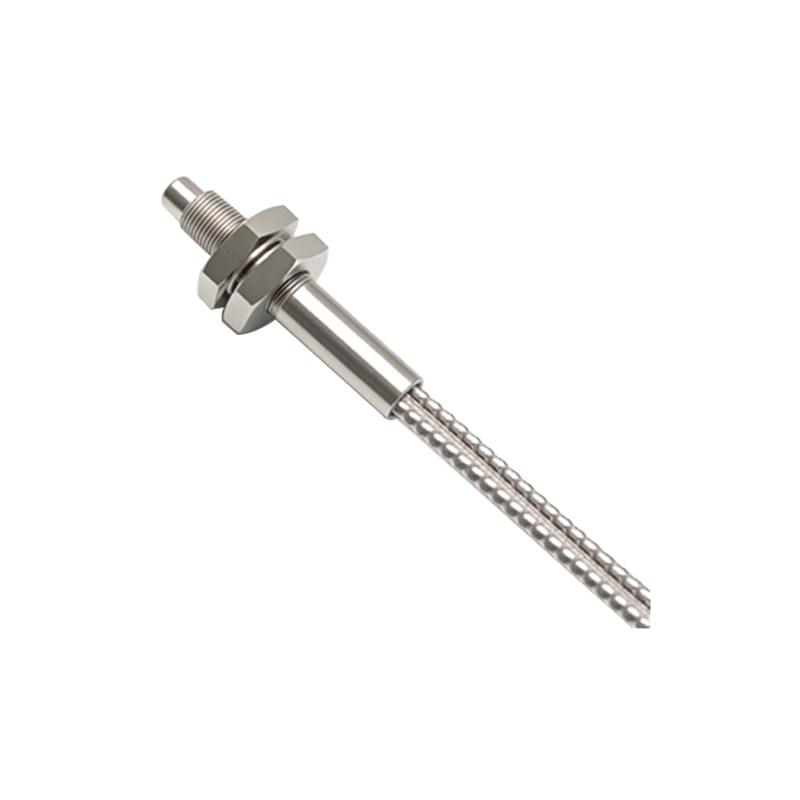
In industrial automation, photoelectric sensors are favored for simple, high-speed tasks, such as detecting items on a conveyor belt. Cameras, however, are used in machine vision systems for quality inspection, barcode reading, and robotic guidance. There are overlaps; for instance, some smart cameras integrate basic photoelectric sensing functions for triggering or alignment. However, cameras generally require more computational power and are sensitive to lighting conditions, whereas photoelectric sensors are more robust for straightforward detection. This distinction highlights how each technology serves unique roles, with cameras offering richer data but at higher complexity.
Technical Similarities in Light Detection
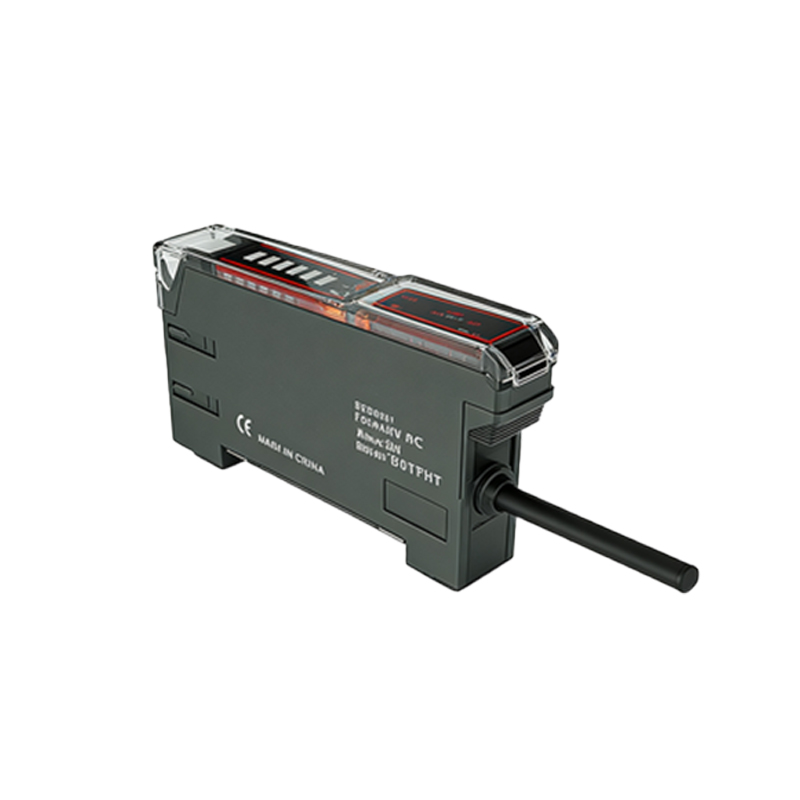
At a fundamental level, both devices rely on the photoelectric effect, where light photons strike a material to generate electrical signals. In photoelectric sensors, this is used to trigger a simple on/off output. In cameras, the image sensor uses an array of photodiodes to convert light into pixel data. This shared basis means cameras inherently perform photoelectric conversion, but they do so with greater resolution and processing. Therefore, while a camera is not classified as a standard photoelectric sensor in industry terms, it can be considered a sophisticated photoelectric system due to its underlying technology.
Conclusion: Categorizing Cameras in Sensor Technology
To answer the question, a camera is not typically categorized as a photoelectric sensor in the conventional sense. Photoelectric sensors are specialized for simple detection, whereas cameras are complex imaging devices. However, cameras do employ photoelectric principles within their image sensors, blurring the lines in technical definitions. In summary, cameras can be viewed as advanced photoelectric instruments, but they serve broader purposes beyond basic sensing. Understanding this distinction helps in selecting the right technology for specific applications in electrical and automation engineering.