Introduction to SMD Proximity Sensors
Surface-Mount Device (SMD) proximity sensors represent a significant evolution in sensing technology, designed for high-density, automated assembly on printed circuit boards (PCBs). Unlike their through-hole counterparts, these compact, low-profile components are soldered directly onto the surface of the board, enabling the creation of smaller, lighter, and more reliable electronic devices. Their primary function is to detect the presence or absence of a target object within a specified sensing range without any physical contact. This non-contact detection is crucial in applications where mechanical wear, contamination, or precise positioning are concerns. The fundamental principle involves emitting an electromagnetic field, light, or ultrasonic waves and detecting changes in the return signal caused by a nearby object. The advent of SMD technology has allowed proximity sensing to be integrated into a vast array of consumer, industrial, and automotive electronics where space is at a premium and manufacturing efficiency is paramount.
Core Operating Principles and Technologies
SMD proximity sensors primarily utilize three sensing technologies: inductive, capacitive, and optical. Inductive sensors are the most common type for detecting metallic objects. They operate by generating an oscillating electromagnetic field from a coil within the sensor. When a conductive metal enters this field, eddy currents are induced in the target, which dampens the oscillation of the sensor's coil. This change is detected by the sensor's circuitry, triggering an output signal. Capacitive sensors, on the other hand, can detect both metallic and non-metallic materials like plastic, glass, or liquids. They function by measuring changes in capacitance between the sensor's electrode and the ground. The introduction of a target object alters the dielectric constant of the field, leading to a detectable change in capacitance. Optical SMD sensors use infrared light, typically from an LED, and a phototransistor or photodiode receiver. They detect objects by measuring the reflection (reflective type) or the interruption (through-beam type) of the light beam. Each technology offers distinct advantages in terms of sensing range, target material, environmental robustness, and cost.
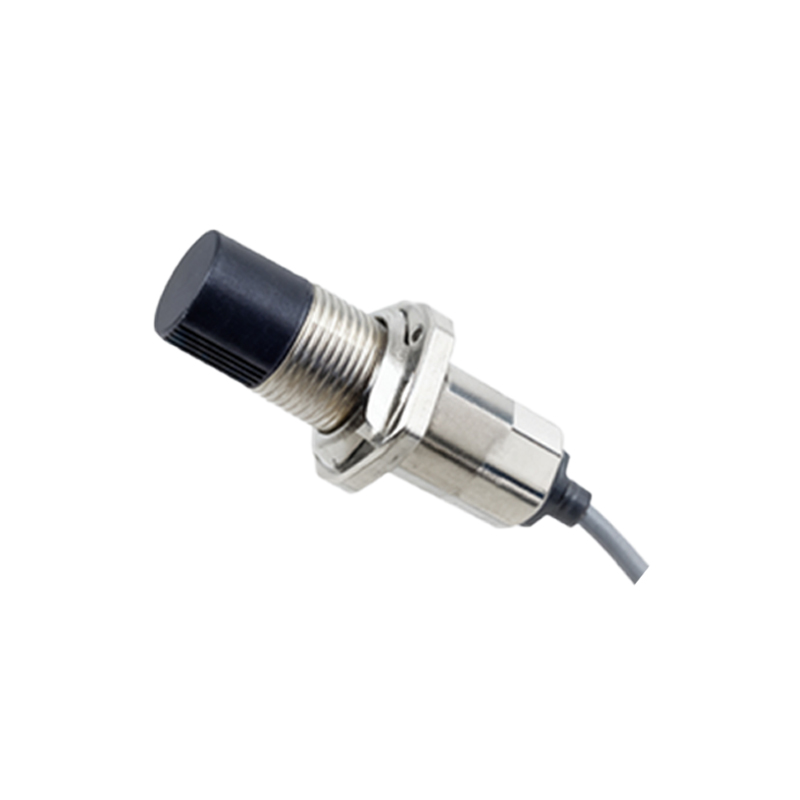
Key Advantages in Modern Design
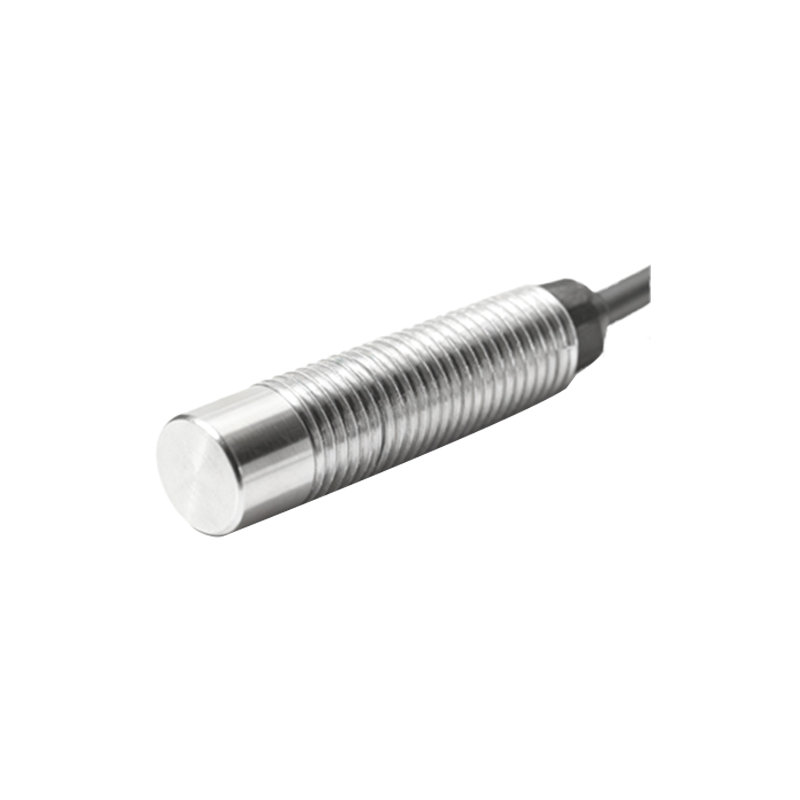
The integration of proximity sensing into SMD packages delivers several compelling advantages for electronic design engineers. First and foremost is the dramatic reduction in size and weight, which is essential for portable devices like smartphones, tablets, and wearables. The low-profile design also improves aerodynamic and aesthetic profiles in end products. Secondly, SMD components are ideally suited for high-speed, automated pick-and-place assembly processes, significantly reducing manufacturing costs and increasing production throughput while improving consistency and reliability. Their robust construction, often featuring molded epoxy packages, provides excellent resistance to vibration, shock, and harsh environmental conditions. Furthermore, modern SMD proximity sensors consume very little power, a critical factor for battery-operated devices. They also offer fast response times, enabling real-time detection in high-speed automation and touch-sensitive interfaces. The combination of these factors makes SMD proximity sensors a cornerstone of miniaturized and intelligent electronic system design.
Critical Application Areas
The application spectrum for SMD proximity sensors is remarkably broad and continues to expand. In consumer electronics, they are ubiquitous for touchless gesture control, screen blanking during phone calls (detecting when the phone is near the ear), and lid-open/close detection in laptops. The automotive industry relies on them for safety and convenience features, such as seat occupancy detection, gear shift position sensing, and touchless trunk opening systems. Industrial automation leverages their precision for tasks like part counting, jam detection in conveyor systems, and precise end-position sensing in robotic arms. In the realm of the Internet of Things (IoT) and smart home devices, these sensors enable presence detection for lighting control, liquid level sensing in appliances, and user interface activation. Their reliability and small form factor are also key in medical devices for disposable diagnostic equipment and portable monitors, where hygiene and size are critical parameters.
Design Considerations and Selection Criteria
Selecting the right SMD proximity sensor requires a careful analysis of several key parameters. The sensing range, typically from a few millimeters up to several centimeters, must be matched to the application's physical constraints. Engineers must also consider the target material—whether it is ferrous metal, non-ferrous metal, or a non-metal—to choose between inductive, capacitive, or optical technology. The output type is another crucial decision; digital outputs (like NPN/PNP open-collector or push-pull) are simple to interface with microcontrollers, while analog outputs provide continuous distance information. Package size (e.g., 0603, 0805, 1206) must fit the PCB layout, and the sensor's operating voltage and current consumption must align with the system's power budget.