Introduction to Infrared Proximity Sensors
Infrared proximity sensors are essential components in various industrial and consumer applications, leveraging infrared light to detect the presence or absence of objects within a specified range. These sensors operate by emitting an infrared beam and measuring the reflection or interruption of that beam, allowing for non-contact detection. Unlike mechanical switches or ultrasonic sensors, infrared sensors offer high precision, fast response times, and reliability in diverse environments, from manufacturing floors to automated systems. Their ability to function without physical contact reduces wear and tear, making them ideal for repetitive tasks in harsh conditions. As technology advances, the integration of infrared proximity sensors continues to expand, driven by their efficiency and adaptability in sensing solutions.
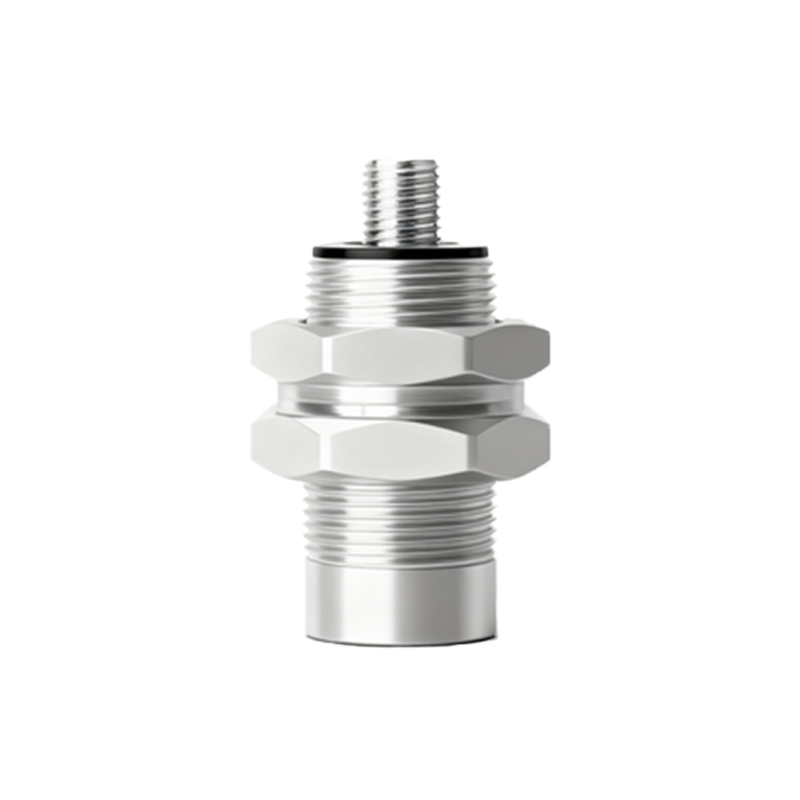
How Infrared Proximity Sensors Work
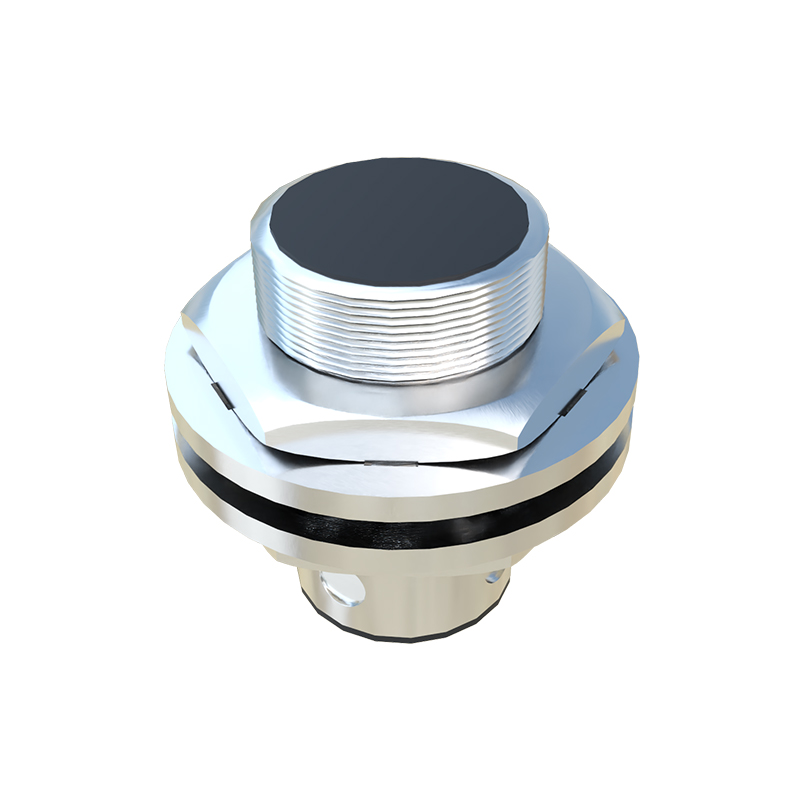
The fundamental principle behind infrared proximity sensors involves the emission and reception of infrared radiation. Typically, these sensors consist of an infrared LED that emits light and a photodetector, such as a phototransistor or photodiode, that captures the reflected signal. When an object enters the sensor's detection zone, it reflects the infrared beam back to the photodetector, triggering an output signal. Some sensors use modulated infrared signals to minimize interference from ambient light, enhancing accuracy. The detection range can vary from a few centimeters to several meters, depending on the sensor design and application requirements. By analyzing the intensity or time delay of the reflected light, these sensors can determine distance, presence, or even material properties, enabling precise control in automated processes.
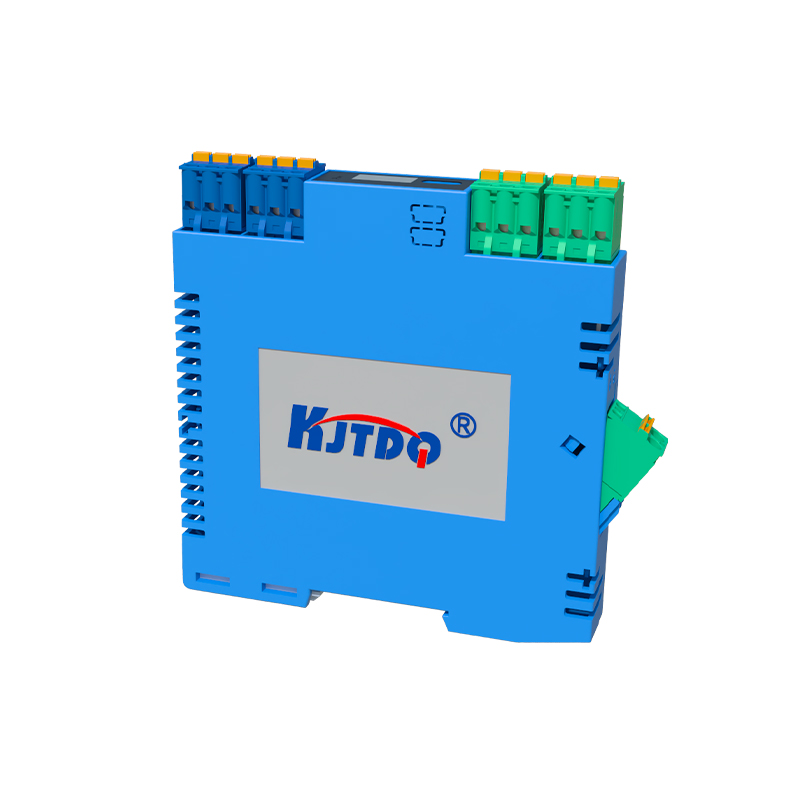
Key Functions in Industrial Applications
In industrial settings, infrared proximity sensors serve multiple critical functions. They are widely used for object detection in conveyor systems, ensuring smooth material handling and preventing jams. In robotics, these sensors facilitate obstacle avoidance and positioning, allowing autonomous machines to navigate safely. Additionally, they play a vital role in quality control by detecting defects or misalignments on production lines. For example, in packaging industries, sensors verify the presence of items before sealing, reducing waste and improving efficiency. Their non-contact nature makes them suitable for sterile environments, such as pharmaceutical manufacturing, where contamination must be avoided. Overall, infrared proximity sensors enhance operational safety, productivity, and automation across sectors.
Advantages Over Other Sensor Types
Infrared proximity sensors offer distinct advantages compared to alternative technologies like ultrasonic, capacitive, or inductive sensors. They provide faster response times, often in milliseconds, which is crucial for high-speed applications. Their immunity to acoustic noise and electromagnetic interference makes them reliable in noisy industrial environments. Unlike capacitive sensors, which can be affected by humidity or material composition, infrared sensors maintain consistent performance with various object surfaces, including non-metallic materials. However, they may have limitations in detecting transparent or highly reflective objects, which can be mitigated with advanced calibration. The compact size and low power consumption of infrared sensors further contribute to their popularity in portable devices and energy-efficient systems.
Common Challenges and Solutions
Despite their benefits, infrared proximity sensors face challenges such as interference from ambient light sources, including sunlight or artificial lighting, which can cause false readings. To address this, manufacturers incorporate filtering techniques, modulated signals, or shielding designs. Another issue is the variation in detection accuracy based on object color or texture, as darker surfaces absorb more infrared light, reducing reflection. Calibration and sensitivity adjustments can help optimize performance for specific applications. Environmental factors like dust, fog, or temperature extremes may also affect sensor reliability; selecting sensors with appropriate IP ratings and protective housings ensures durability. Regular maintenance and testing are recommended to sustain long-term functionality in demanding conditions.
Future Trends and Innovations
The future of infrared proximity sensors is shaped by ongoing innovations in miniaturization, integration with IoT (Internet of Things), and enhanced smart capabilities. Advances in MEMS (Micro-Electro-Mechanical Systems) technology are leading to smaller, more cost-effective sensors suitable for wearable devices and smart home applications. Integration with AI and machine learning enables predictive maintenance and adaptive sensing, where sensors can learn from environmental patterns to improve accuracy. Additionally, the development of multi-spectral infrared sensors allows for broader detection capabilities, including thermal imaging and material analysis. As industries embrace Industry 4.0, infrared proximity sensors will continue to evolve, supporting autonomous systems, energy management, and safety protocols with greater intelligence and connectivity.
Conclusion
Infrared proximity sensors are indispensable tools in modern engineering, offering reliable, non-contact detection for a wide range of applications. From industrial automation to consumer electronics, their ability to provide precise, fast responses enhances efficiency and safety. By understanding their functions, advantages, and potential challenges, engineers can effectively implement these sensors to optimize systems. As technology progresses, innovations in infrared sensing promise to unlock