Introduction to Photoelectric Sensing Technology
Photoelectric sensors are fundamental components in modern industrial automation, providing non-contact detection of objects, distances, and conditions. These devices operate by emitting a beam of light, typically from an LED, and detecting changes in the received light intensity. The core principle relies on the interruption, reflection, or modulation of this light beam by a target object. This technology offers significant advantages over mechanical limit switches, including faster response times, longer operational life due to the absence of physical contact, and the ability to detect a wide variety of materials, including glass, metal, plastic, and liquids. Industries ranging from packaging and material handling to automotive assembly and food processing depend on the reliability and precision of photoelectric sensors to maintain efficient and error-free production lines. Their versatility in sensing modes—such as through-beam, retro-reflective, and diffuse—makes them adaptable to countless challenging applications.
XINLING's Engineering Philosophy and Product Range
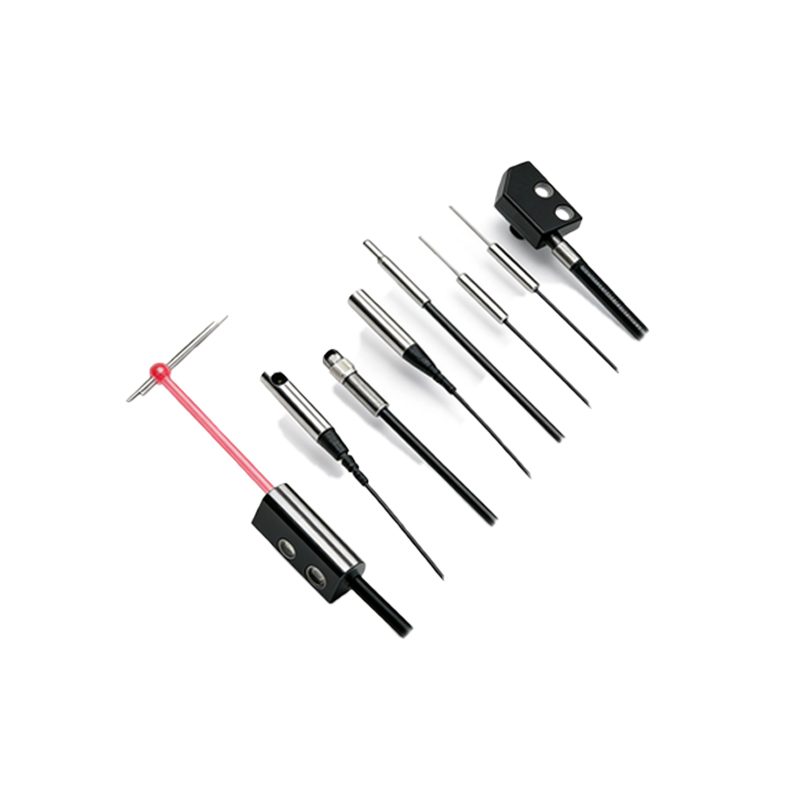
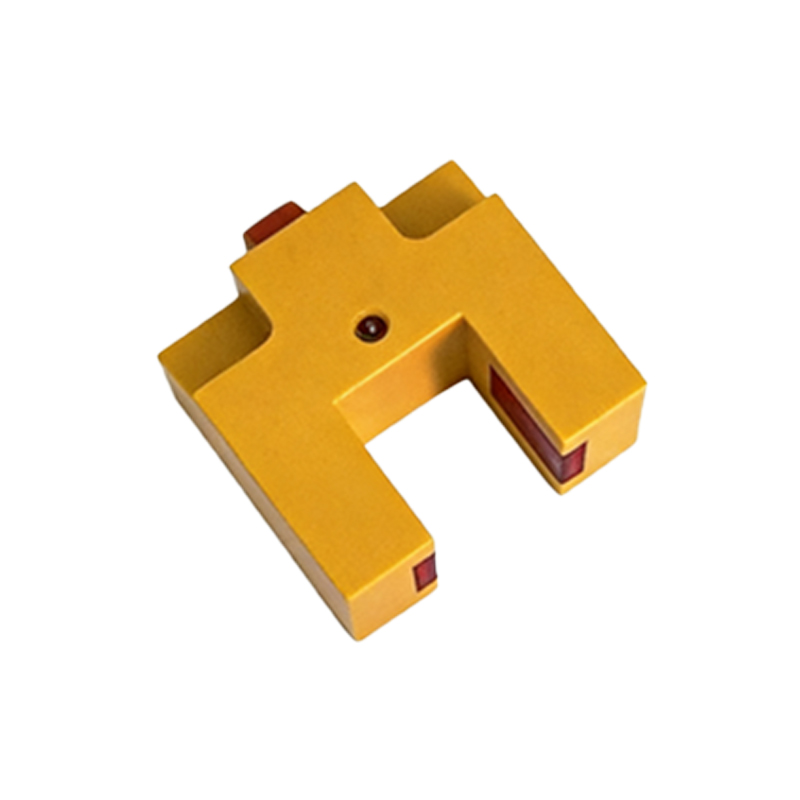
XINLING has established itself as a reputable manufacturer by focusing on robust design, consistent performance, and adaptability. The company's product portfolio encompasses a wide spectrum of photoelectric sensors designed to meet diverse industrial demands. This includes standard diffuse sensors for general object detection, precise background suppression sensors that ignore objects beyond a set distance, and rugged through-beam sensors for long-range applications in harsh environments. XINLING also offers specialized variants such as color mark sensors for accurate color registration in printing and labeling, and fiber optic sensors for detecting extremely small objects or operating in high-temperature or space-constrained areas. A key aspect of XINLING's design philosophy is integrating features like adjustable sensing ranges, teach-in functionality for easy setup, and clear visual indicators for status and alignment. This user-centric approach ensures that technicians can quickly install, configure, and troubleshoot sensors, minimizing downtime.
Key Technical Specifications and Selection Criteria
Selecting the appropriate photoelectric sensor requires careful analysis of the application parameters. For XINLING sensors, engineers must evaluate several critical specifications. The sensing range is paramount, defining the maximum distance at which the sensor can reliably detect an object. This varies greatly between sensing modes; a through-beam sensor may offer ranges up to several meters, while a diffuse sensor might be limited to a few centimeters. The light source, often red visible LED, infrared, or laser, affects the beam's visibility, precision, and environmental resistance. Response time, measured in milliseconds or microseconds, determines how fast the sensor can detect a change and trigger an output, which is crucial for high-speed production lines. Environmental ratings, specifically the Ingress Protection (IP) code (e.g., IP67), indicate the sensor's resilience to dust and water ingress. Additionally, output type (PNP/NPN, analog, or IO-Link) must be compatible with the existing control system. Understanding the target object's properties—size, color, material, and surface finish—is equally vital for reliable operation.
Application Scenarios in Industrial Automation
XINLING photoelectric sensors find utility in a multitude of real-world industrial scenarios. In conveyor belt systems, they are deployed for precise object counting, jam detection, and positioning control. Retro-reflective sensors are commonly used at the entrance and exit of automated guided vehicles (AGVs) to detect docking stations or obstructions. In assembly lines, small-diameter diffuse or fiber optic sensors verify the presence of tiny components like screws or springs. Background suppression sensors excel in logistics, accurately detecting packages on a shelf regardless of the background wall's distance or color. Within the food and beverage industry, sensors with high IP ratings and stainless-steel housings perform bottle cap presence checks or liquid level detection in washdown environments. Furthermore, color mark sensors ensure precise cutting and packaging by detecting registration marks on continuous webs of material. These examples underscore the sensor's role as the "eyes" of an automated system, providing the essential data for control logic.
Installation, Alignment, and Maintenance Best Practices
Proper installation is critical for optimal sensor performance and longevity. Mounting must be secure to prevent vibration-induced misalignment. For through-beam sensors, careful alignment of the separate emitter and receiver units is necessary, often aided by built-in alignment indicators. For diffuse sensors, consideration must be given to the target's reflectivity and the potential for interference from background objects or ambient light. Installing light shields or hoods can mitigate the effects of stray ambient light. Regular maintenance involves keeping the lens clean from dust, oil, or debris that could attenuate the light beam. Periodically verifying the sensor's operation and checking for physical damage to the housing or cable is recommended. XINLING sensors are designed for durability, but understanding their limitations—such as minimum detectable object size and performance with transparent or highly reflective materials—helps prevent application failures and extends service life.
The Future of Sensing: Integration with Industry 4.0
The evolution of photoelectric sensors is closely tied to the advancement of Industry 4.0 and the Industrial Internet of Things (IIoT). Future iterations, including those from innovators like XINLING, are increasingly incorporating smart features. Sensors with IO-Link communication capability can transmit not just a simple on/off signal but also detailed diagnostic data, such as internal temperature, operating hours, and signal strength, to a central controller. This enables predictive maintenance, where potential issues are identified before they cause a line stoppage. Furthermore, advanced sensors with teach-in via software and parameter cloning functionality simplify system scaling and replication. As machine vision and simpler photoelectric sensing converge, we can expect more intelligent sensors capable of basic shape recognition or contrast evaluation, providing richer data for complex automated decision-making while retaining the simplicity and cost-effectiveness of traditional photoelectric devices.