What Are Proximity Sensors?
Proximity sensors are non-contact electronic devices designed to detect the presence or absence of an object within a specific sensing range. They operate on various principles, including inductive, capacitive, ultrasonic, and photoelectric technologies. Inductive sensors detect metallic objects, capacitive sensors can detect both metallic and non-metallic materials, while photoelectric sensors use light beams. These sensors are fundamental components in industrial automation, robotics, automotive systems, and consumer electronics, providing critical data for control and safety functions. Their reliability is paramount, and environmental factors like water, dust, and temperature directly impact their performance and longevity.
The Core Question: Are They Waterproof?
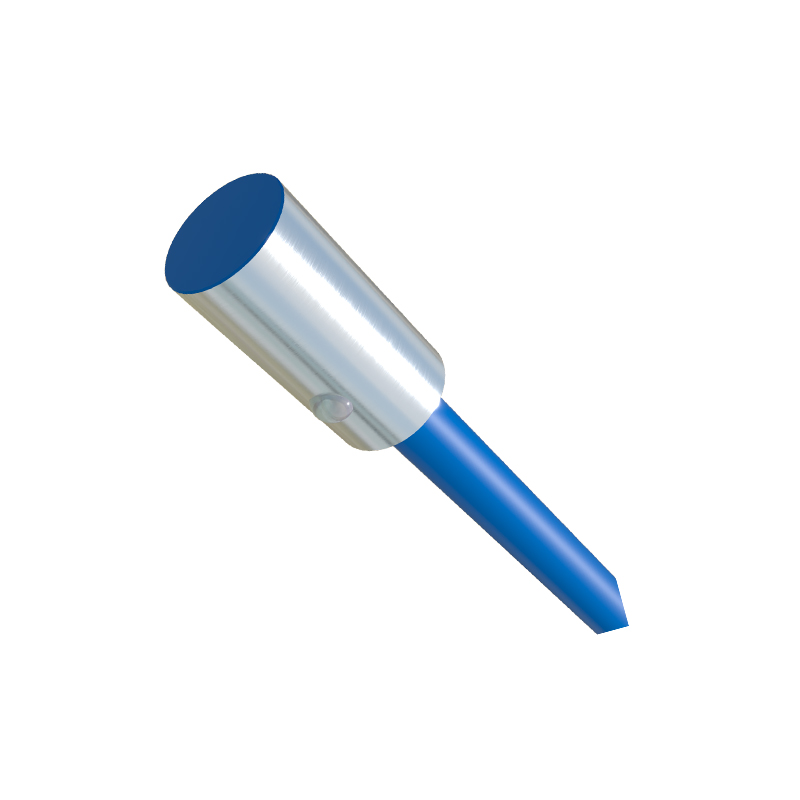
The direct answer is: it depends. Not all proximity sensors are inherently waterproof. Their ability to withstand water exposure is defined by their Ingress Protection (IP) rating, a standardized classification system. The term "waterproof" is often used colloquially but can be misleading. In engineering and industrial contexts, we refer to specific levels of water resistance or watertightness as per the IP code. A sensor's construction, housing material (often stainless steel, brass, or PBT plastic), and sealing technology determine its resilience against moisture, jets, or immersion.
Decoding the IP Rating System
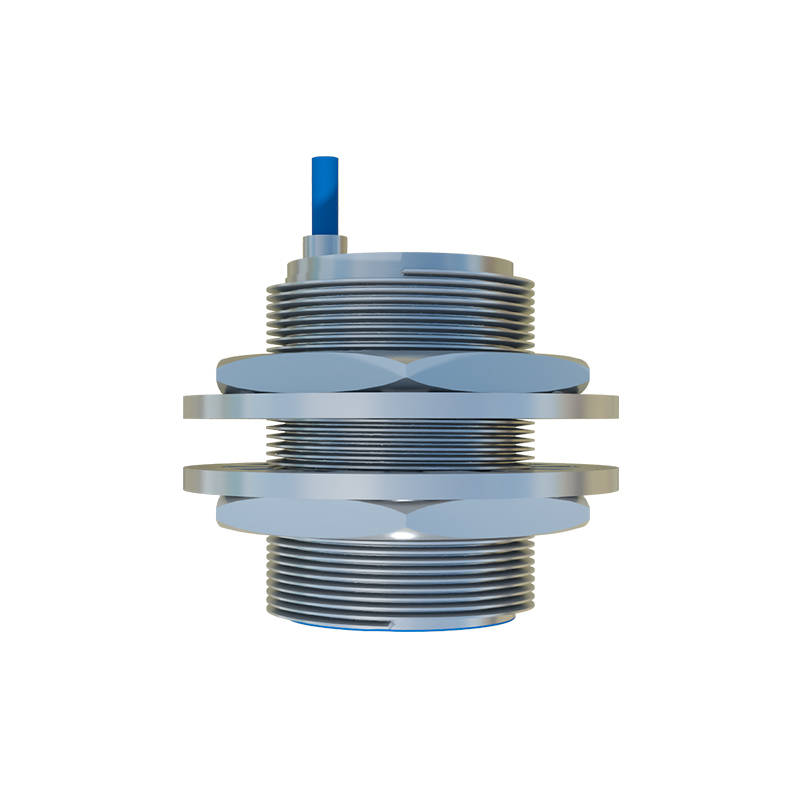
The IP rating, per international standard IEC 60529, is a two-digit code. The first digit indicates protection against solid particles (0-6), and the second digit indicates protection against liquids (0-9). For water resistance, the second digit is crucial. Common ratings for proximity sensors include:
- IP67: Dust-tight and protected against temporary immersion in water (up to 1 meter for 30 minutes). This is a common standard for many industrial sensors.
- IP68: Dust-tight and protected against continuous immersion in water under conditions specified by the manufacturer (often deeper and longer than IP67).
- IP69K: Dust-tight and protected against close-range high-pressure, high-temperature water jets. This is typical for sensors in food processing or cleaning-intensive environments.
A sensor with a low rating like IP40 offers no protection against water and should be kept in dry conditions.
Consequences of Water Exposure on Sensors
Water ingress can cause catastrophic or gradual failure in a proximity sensor. Immediate short-circuiting can occur if water bridges electrical connections, leading to permanent damage. Even minor moisture ingress can cause corrosion of internal circuitry and contacts over time, resulting in erratic signal output, reduced sensing range, or complete failure. Condensation inside the housing can also fog optical windows in photoelectric sensors, scattering the light beam and causing false triggers. For inductive and capacitive sensors, water on the sensing face can alter the dielectric or electromagnetic field, potentially affecting detection consistency.
Selecting the Right Sensor for Wet Environments
Choosing a sensor for applications with water exposure requires careful analysis. First, define the type of water contact: is it occasional splashing, high-pressure washdown, or full submersion? For automotive or outdoor applications with rain, IP67 may suffice. For food and beverage machinery requiring frequent sanitization with steam and high-pressure water, IP69K-rated sensors with stainless steel housings are mandatory. Always verify the manufacturer's specifications for the exact test conditions of the IP rating. Additionally, consider other factors like chemical resistance if cleaning agents are used and ensure the operating temperature range accommodates the environment.
Installation and Maintenance Best Practices
Proper installation is critical to maintaining the stated IP rating. Ensure the sealing gasket or O-ring on the sensor is intact and clean before mounting. Tighten the sensor or its locking nut to the specified torque; under-tightening can leave gaps for water ingress, while over-tightening can damage the housing or seal. Use conduit entries with proper cable glands rated for the same or higher IP level as the sensor. For threaded barrel sensors, avoid mounting them with the sensing face pointing upwards, as this can allow water to pool on the face. Regular inspection for physical damage to the housing or seal is a key part of preventive maintenance.
Conclusion: Vigilance and Specification are Key
Proximity sensors are not universally waterproof. Their resistance to water is a defined characteristic encapsulated in the IP rating. Understanding this code and matching it to the application's environmental demands is a fundamental responsibility of a system designer or maintenance engineer. Assuming a sensor is protected without verifying its IP rating can lead to costly downtime and replacements. By specifying sensors with appropriate IP ratings, following rigorous installation guidelines, and implementing a sound maintenance routine, you can ensure reliable operation and maximize the service life of proximity sensors, even in challenging, wet conditions.