Introduction to Slot Type Photoelectric Sensors
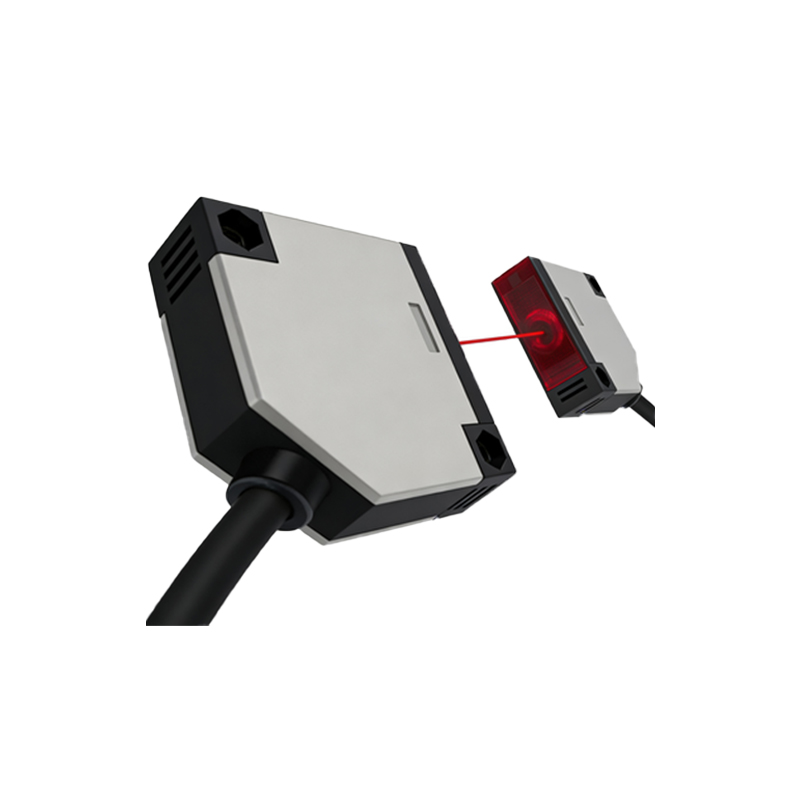
A slot type photoelectric sensor, often called a through-beam sensor, is a fundamental component in industrial automation. It consists of two separate units housed in a single U-shaped body: an emitter on one side and a receiver on the other. The emitter continuously projects a beam of light, typically infrared or visible red, across the open slot to the receiver. The core function is to detect the presence or absence of an object that passes through this slot, interrupting the light beam. These sensors are prized for their high precision, reliability, and ability to detect very small or transparent objects that might challenge other sensing technologies. Their self-contained, aligned design eliminates the need for separate mounting and alignment of emitter and receiver, making installation straightforward and robust against misalignment due to vibration.
The Principle of Light-On and Dark-On Operation
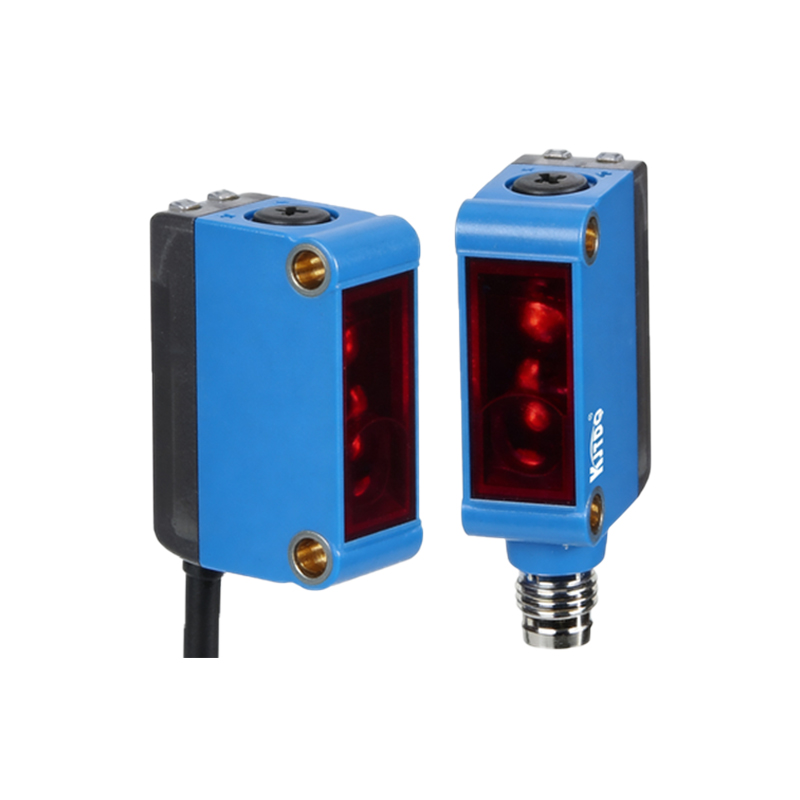
Photoelectric sensors operate based on the state of their output signal relative to the received light. This leads to two primary operational modes: Light-On and Dark-On. In Light-On mode, also known as "normally open," the sensor's output is active (ON) when the receiver detects the light beam. The output turns off when an object interrupts the beam. Conversely, Dark-On mode, or "normally closed," describes the opposite logic. In Dark-On operation, the output is inactive (OFF) when the light beam is received. When an object enters the slot and blocks the beam, the output switches to active (ON). The choice between these modes is crucial and depends entirely on the safety and logic requirements of the control circuit it is integrated into.
Defining Dark-On (Dark Operate) Functionality
Dark-On operation is a specific configuration where the sensor's output transistor is activated upon the absence of light. In a slot sensor set to Dark-On, the receiver is normally illuminated by the emitter's constant beam. Under this condition, the internal circuitry keeps the output in an OFF state. The moment a target object passes through the slot, it obstructs the light path. The receiver then detects this drop in light intensity (darkness), which triggers the control circuit to switch the output to an ON state. This ON signal is typically a closed circuit (for an NPN output) or a voltage supply (for a PNP output) that is sent to a PLC, relay, or other controller. Essentially, the "dark" event causes the output to turn "on," hence the term Dark-On.
Wiring and Output Considerations for Dark-On
Implementing Dark-On logic is intrinsically linked to the sensor's output type, which is either NPN (sinking) or PNP (sourcing). For an NPN output sensor in Dark-On mode, the output wire acts as a switch to ground. When dark (beam blocked), the NPN transistor conducts, connecting the output terminal to 0V (ground), thus "sinking" current from the load. For a PNP output, the output wire acts as a switch to the positive supply voltage. When dark, the PNP transistor conducts, connecting the output terminal to V+, thereby "sourcing" current to the load. The wiring to the programmable logic controller (PLC) input card must match this output type. A Dark-On NPN sensor is typically wired to a PLC's sinking input, while a Dark-On PNP sensor is wired to a sourcing input. Misconfiguration will result in the control system interpreting the signal inversely.
Application Scenarios for Dark-On Mode
Dark-On mode is frequently selected for applications where a safety-oriented "fail-safe" approach is necessary. A classic example is in machine guarding or safety interlock systems. Consider a protective guard door with a slot sensor. If the sensor is wired in Dark-On mode, the machine can only operate (output ON) when the guard door is closed (blocking the beam, causing darkness). If the door is opened (beam restored), the output goes OFF, halting the machine. This ensures that any failure in the sensor, such as a broken wire, loss of power to the emitter, or heavy contamination covering the lens, mimics the "beam restored" state (light on), causing a safe shutdown. Other applications include jam detection in material handling, where a blockage (dark) activates an alarm, or in counting systems where each object's passage (creating darkness) generates a count pulse.
Configuring and Selecting the Correct Mode
Most modern slot type photoelectric sensors offer a selectable operating mode, configurable via a toggle switch, a push-button, or a teach-in function. It is imperative to consult the sensor's datasheet and manual for the specific configuration procedure. When selecting the mode, the engineer must analyze the control logic of the entire system. Ask: Should the controlling device receive a signal when the beam is clear or when it is blocked? What state constitutes a "safe" condition in the event of a sensor failure? The answers dictate the choice. Debugging often involves verifying this mode first, as an incorrectly set Light-On/Dark-On switch is a common source of malfunction where the system behaves in the logically opposite way than expected.
Advantages and Key Takeaways
Utilizing Dark-On operation in slot sensors provides a layer of functional safety. It aligns with fail-safe design principles by ensuring that common failure modes (power loss, component failure, wire break) result in a safe output state (OFF). This mode offers clear logical integration for processes where an interruption is the event of interest, such as triggering an action upon object presence. Understanding the interplay between Dark-On logic, output transistor type (NPN/PNP), and PLC input circuitry is fundamental for correct implementation. Always define the required logic based on the machine's safe state before wiring and configuring the sensor, ensuring reliable and safe operation within the automated system.