Non-Contact Operation
Proximity sensors function without physical contact with the target object. This characteristic eliminates mechanical wear and tear, significantly extending the sensor's operational lifespan. In industrial environments, this non-contact nature ensures minimal maintenance requirements and reduces downtime caused by sensor failure. The absence of moving parts also enhances reliability, making these sensors ideal for high-speed applications where mechanical contact would be impractical or damaging.
High Precision and Repeatability
These sensors offer exceptional accuracy in detecting objects within their specified sensing range. They provide consistent performance with high repeatability, ensuring reliable operation in automated processes. Whether used for position verification, counting, or end-position detection, proximity sensors deliver precise readings that contribute to improved product quality and process efficiency. Their ability to detect small objects or subtle positional changes makes them invaluable in precision manufacturing and assembly lines.
Robust Environmental Resistance
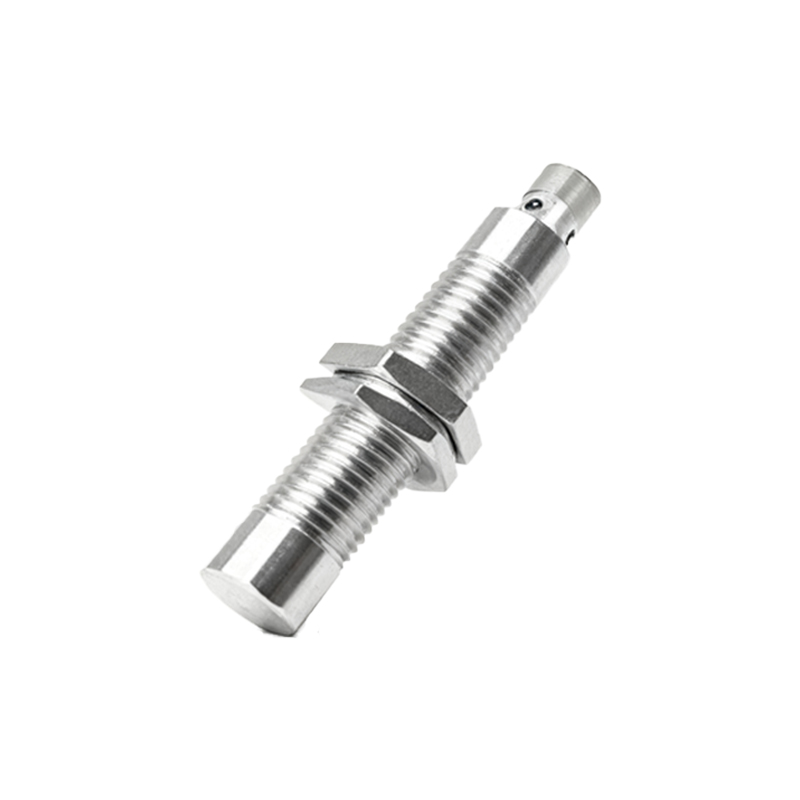
Designed to withstand harsh industrial conditions, proximity sensors exhibit excellent resistance to environmental factors. They are typically housed in rugged enclosures that protect against dust, moisture, oils, and chemicals. Many models feature high ingress protection ratings, allowing them to operate reliably in wet or dirty environments. This durability ensures consistent performance in challenging settings such as metalworking, food processing, and outdoor applications.
Fast Response Times
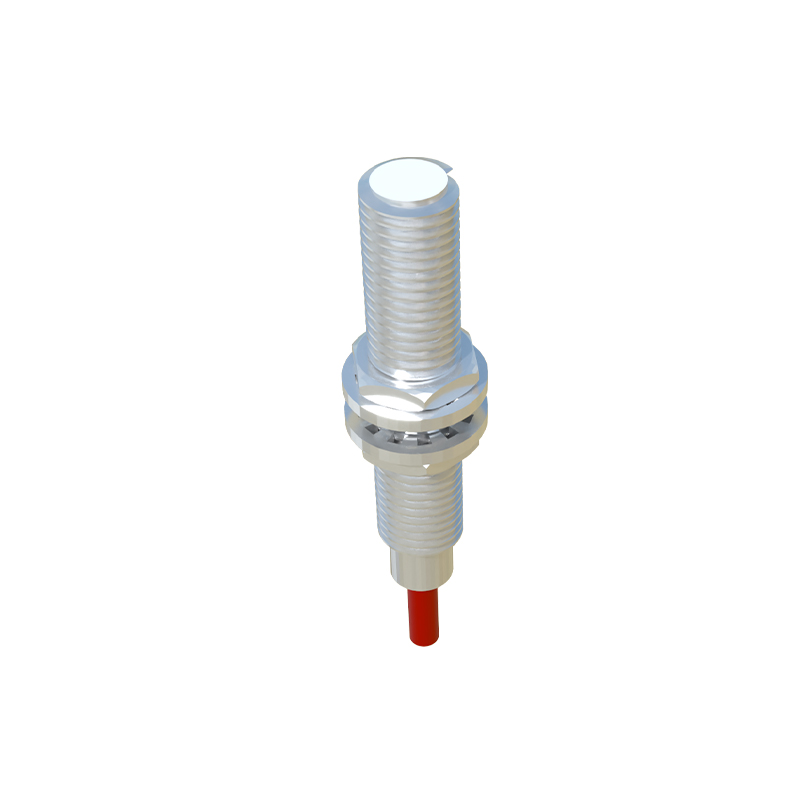
Proximity sensors react almost instantaneously to the presence of a target object. With response times often measured in microseconds, they can detect objects moving at high speeds without lag. This rapid detection capability is crucial for high-speed automation, robotics, and conveyor systems where timing is critical. The fast switching speed enhances system throughput and enables precise control in dynamic industrial processes.
Versatile Sensing Capabilities
Available in various types including inductive, capacitive, and magnetic models, proximity sensors can detect a wide range of materials. Inductive sensors excel at detecting metals, while capacitive sensors can identify both metallic and non-metallic objects. This versatility allows engineers to select the appropriate sensor technology for specific application requirements, from metal part detection to liquid level sensing or plastic object recognition.
Easy Integration and Installation
Modern proximity sensors feature standardized designs and connection methods that simplify integration into existing systems. Many offer adjustable sensing ranges, built-in diagnostics, and multiple output configurations. Their compact sizes allow installation in space-constrained locations, while various mounting options provide flexibility in mechanical design. Simple wiring and configuration reduce installation time and costs in industrial automation projects.
Energy Efficiency
Proximity sensors consume minimal power during operation, contributing to overall energy savings in industrial facilities. Their efficient design generates little heat and requires no continuous mechanical movement, reducing power consumption compared to mechanical switches or other sensing methods. This energy-efficient operation aligns with modern sustainability goals while lowering operational costs in large-scale automation systems.
Cost-Effective Solution
The combination of long service life, minimal maintenance, and reliable performance makes proximity sensors a cost-effective choice for industrial applications. Their durability reduces replacement frequency, while their accuracy minimizes production errors and material waste. The initial investment in quality proximity sensors typically yields significant returns through improved process efficiency, reduced downtime, and lower long-term maintenance expenses.