In today's interconnected world, the seamless operation of countless devices and systems hinges on a simple yet profound question: "Is something nearby?" The answer, often provided silently and instantly by proximity sensors, forms the bedrock of modern convenience, safety, and automation. These unassuming components are critical enablers, transforming passive machines into context-aware systems that interact intelligently with their environment. Their importance spans from the smartphone in your pocket to the largest industrial assembly lines, making them indispensable in the technological landscape.
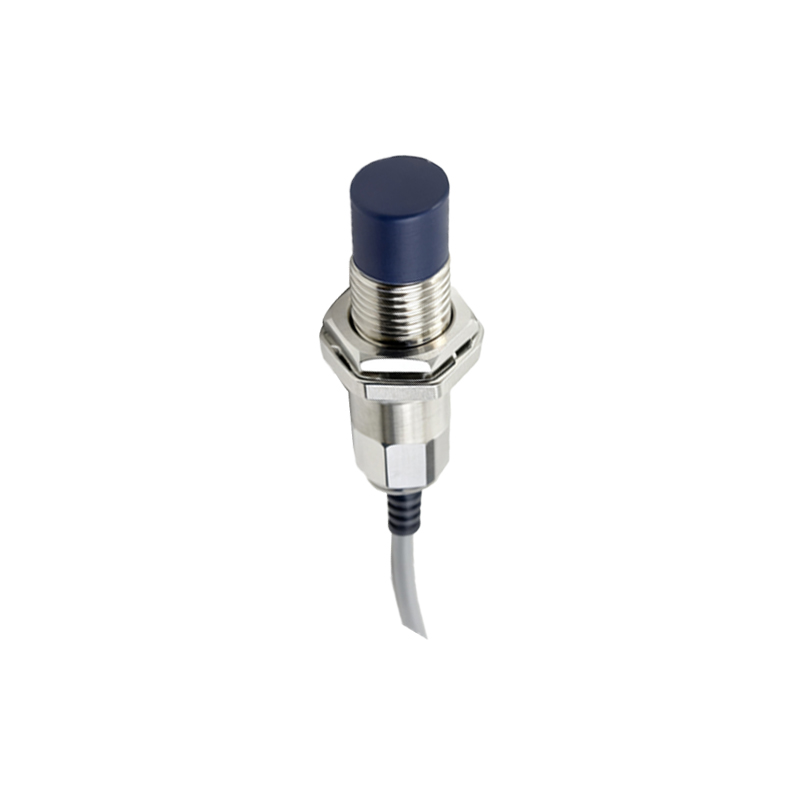
At their core, proximity sensors are devices that detect the presence or absence of an object within a defined range without physical contact. They achieve this by emitting a field or beam of electromagnetic radiation, such as infrared light, lasers, or radio waves, and analyzing the changes in the return signal. This non-contact principle is fundamental to their value, allowing for detection where touch is impossible, undesirable, or could cause damage. The primary types include inductive sensors for metals, capacitive sensors for both metals and non-metals, photoelectric sensors using light beams, and ultrasonic sensors using sound waves. Each type leverages a different physical principle, making them suitable for specific applications based on material, range, and environmental conditions.
The importance of proximity sensors is perhaps most visible in the realm of consumer electronics. In every modern smartphone, a proximity sensor sits near the earpiece. During a call, it detects when the phone is held to your ear and automatically turns off the display. This prevents accidental screen presses with your cheek and conserves battery power. Similarly, laptops use these sensors to detect when the lid is closed, triggering sleep mode. This seamless interaction enhances user experience while optimizing energy consumption, a critical consideration for portable devices. Beyond personal gadgets, they are vital in home automation, enabling touchless faucets, automatic soap dispensers, and smart lighting systems that activate upon sensing movement, promoting both hygiene and energy efficiency.
In industrial and manufacturing settings, the role of proximity sensors shifts from convenience to critical operational and safety assurance. Here, they are the silent guardians of precision and reliability. On fast-moving assembly lines, inductive sensors precisely count metallic components, verify the position of parts for robotic arms, and monitor the speed of conveyor belts. Their high-speed response and immunity to harsh conditions—like dust, oil, and vibrations—make them ideal for factory floors. They enable just-in-time processes, reduce material waste, and prevent costly machine jams by ensuring components are correctly aligned before a machining operation. Furthermore, they form a key part of safety interlock systems; for instance, ensuring a protective guard is in place before a powerful press can be activated, directly protecting workers from harm.
The automotive industry represents another domain where these sensors are fundamentally important. Modern vehicles are equipped with an array of proximity sensors, often ultrasonic or electromagnetic, that power parking assistance systems. They provide the audible warnings that help drivers maneuver into tight spaces safely. Advanced driver-assistance systems (ADAS) rely on more sophisticated versions, like radar and LiDAR sensors, to detect vehicles, pedestrians, and obstacles, enabling features like automatic emergency braking and adaptive cruise control. These applications are pivotal steps toward autonomous driving, where continuous, reliable environmental perception is non-negotiable for safety.
Looking forward, the importance of proximity sensing technology is set to grow exponentially with trends like the Internet of Things (IoT) and Industry 4.0. In smart factories, sensors will not only detect presence but will feed real-time data into networked systems, allowing for predictive maintenance and fully adaptive manufacturing. In smart cities, they will manage traffic flow, monitor parking space occupancy, and enhance public safety. The evolution towards miniaturization, lower power consumption, and increased intelligence (sensors with built-in processing) will further embed them into the fabric of daily life.
Ultimately, the significance of proximity sensors lies in their ability to bridge the physical and digital worlds. They provide the essential data point of "presence" that allows machines to make intelligent decisions. By enhancing safety, boosting efficiency, enabling automation, and creating intuitive user interfaces, these small components deliver outsized value. As technology continues to advance, the humble proximity sensor will remain a crucial, though often invisible, cornerstone of innovation, quietly making our interactions with machines safer, more efficient, and more natural.