Introduction to Proximity Sensing in Electromagnetic Locking Systems
The integration of proximity sensors into electromagnetic locks represents a significant advancement in access control technology. Unlike traditional electromagnetic locks that rely solely on power to maintain a locked or unlocked state, these enhanced systems incorporate non-contact sensing elements to detect the presence or position of a door. This fusion creates an intelligent locking mechanism capable of providing real-time status feedback, enabling automated responses, and improving overall security integrity. The proximity sensor, typically based on inductive, capacitive, or magnetic principles, monitors the door's position relative to the strike plate or frame without physical contact, ensuring high reliability and longevity by eliminating mechanical wear.
Core Operational Principles and Components
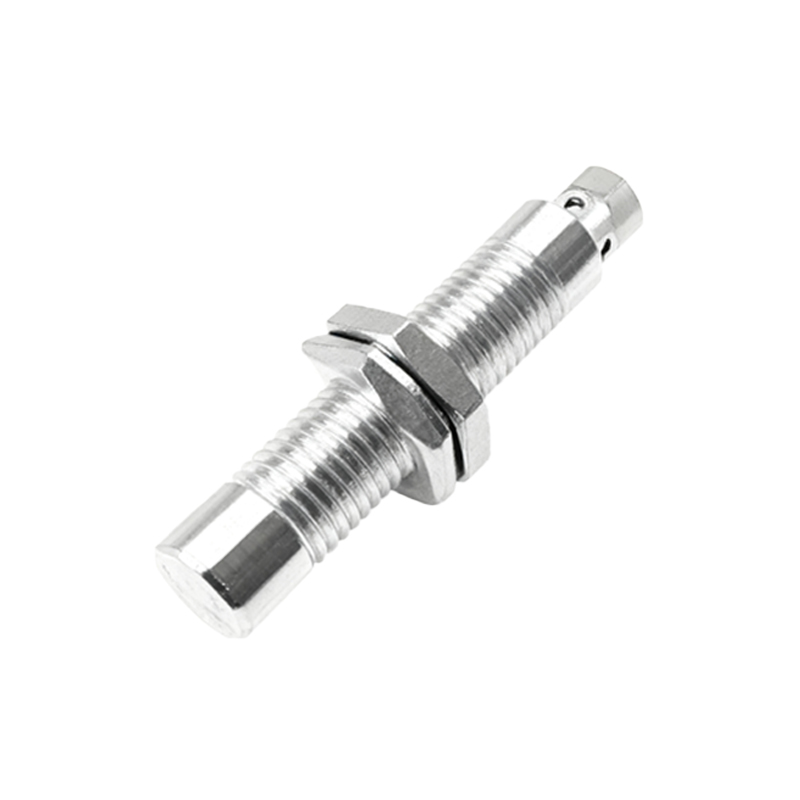
At its heart, a proximity sensor-equipped electromagnetic lock consists of two primary subsystems: the locking unit and the sensing unit. The electromagnetic lock itself operates on the principle of electromagnetism, where a powerful electric current energizes a coil within the lock body, creating a strong magnetic field that bonds the armature plate attached to the door. The proximity sensor, often embedded within the lock housing or mounted adjacently, continuously emits a sensing field. When the door is properly closed, the armature plate enters this field, causing a detectable change in the sensor's output signal. This signal is processed by a control module to confirm "door secured" status. Common sensor types include inductive sensors for detecting metallic armatures and magnetic sensors (like reed switches or Hall-effect sensors) for detecting magnetic fields, chosen based on application-specific requirements for range, material, and environmental conditions.
Key Advantages for Modern Access Control
The incorporation of a proximity sensor delivers multiple tangible benefits. Firstly, it provides definitive door status monitoring—knowing whether a door is truly closed and locked is critical for security audits, safety compliance, and alarm system integration. Secondly, it enables energy-saving features; the lock can be programmed to operate at full holding force only when the door is verified as closed, reducing power consumption and heat generation. Thirdly, it enhances automation sequences. For instance, upon sensing the door is closed, the system can automatically engage the lock, trigger a time-delayed relock, or communicate with building management systems (BMS) for centralized monitoring. This level of intelligence prevents false "door secured" reports that can occur with mechanical micro-switches due to misalignment or failure.
Critical Installation and Configuration Considerations
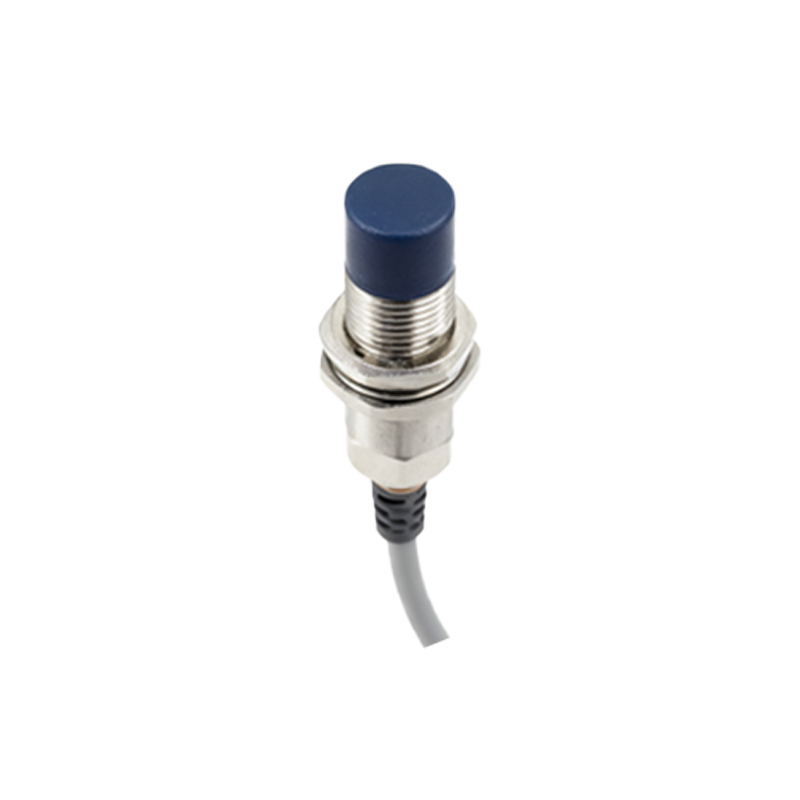
Successful deployment requires careful attention to installation and setup. The alignment between the sensor and its target (the armature plate) is paramount; even minor misalignment can lead to unreliable sensing. Installers must follow manufacturer specifications for gap distances, typically between 1mm to 5mm, depending on the sensor type. Environmental factors such as the presence of other metallic structures, strong electrical noise, or temperature extremes can affect sensor performance, necessitating proper shielding and sensor selection. Configuration involves calibrating the sensor's sensitivity and setting the logic for the control output. For example, the output can be configured as Normally Open (NO) or Normally Closed (NC) to interface seamlessly with various access control panels, fire alarm interfaces, or monitoring software.
Application Scenarios and Industry Use Cases
These intelligent locks find extensive use in environments demanding high security and operational efficiency. In corporate and government facilities, they secure sensitive areas like server rooms and data centers, providing audit trails of door status. In healthcare settings, they are used on pharmacy doors or secure wards, ensuring doors are not inadvertently left ajar. For automated industrial gates and cleanroom doors, the sensor feedback is crucial for interlocking with machinery or maintaining environmental containment. Furthermore, in integration with modern IoT platforms, the status data from these locks can be used for predictive maintenance, alerting facility managers to potential issues like deteriorating alignment or power fluctuations before a failure occurs.
Maintenance, Troubleshooting, and Future Trends
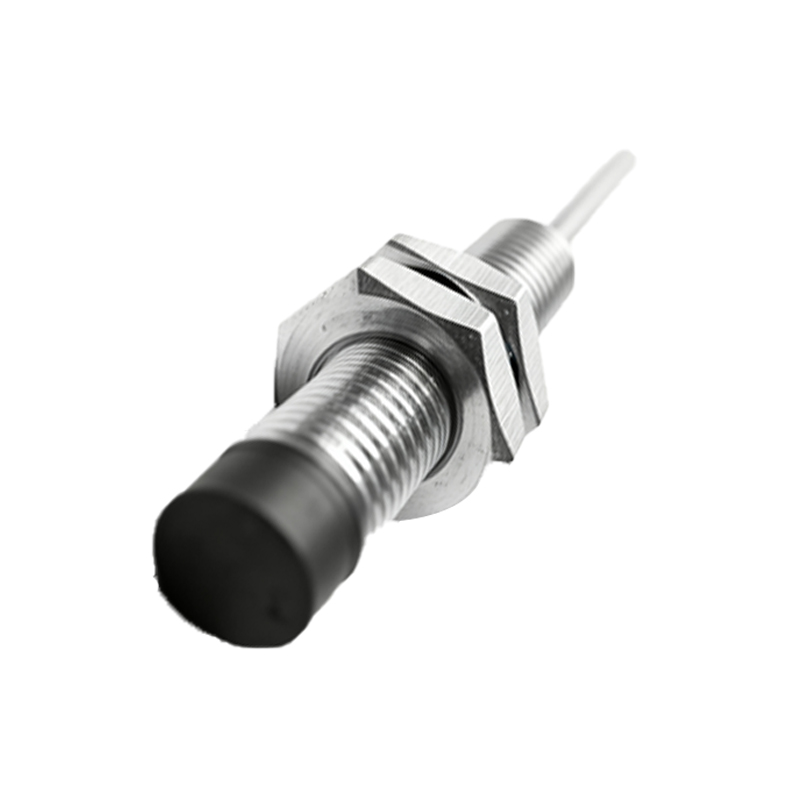
Routine maintenance involves checking the sensor for debris accumulation, verifying alignment, and testing the output signal with a multimeter or diagnostic tool. Common issues include false triggering due to external metal objects, loss of signal from damaged wiring, or drift in sensitivity over time. Troubleshooting follows a systematic approach: inspect physical alignment, check power supply to both lock and sensor, verify wiring connections, and test sensor output independently. Looking ahead, the trend is toward smarter, more connected devices. Future iterations may incorporate wireless power and data transmission, advanced sensor fusion (combining proximity with other sensors like accelerometers for vibration detection), and deeper integration with AI-driven security systems for behavioral analysis and anomaly detection, further blurring the line between physical access control and cybersecurity.