Introduction to Photoelectric Sensors in Lighting
Photoelectric sensors are integral components in modern lighting systems, enabling automation, energy efficiency, and enhanced functionality. These sensors detect the presence, absence, or distance of objects by using a light transmitter and receiver. In lighting applications, they are primarily employed to adjust illumination based on environmental conditions or occupancy, contributing to smart building solutions and sustainable practices. Understanding their placement is crucial for optimal performance in residential, commercial, and industrial settings.
Common Locations in Residential Lighting
In homes, photoelectric sensors are often embedded in outdoor security lights, where they activate upon detecting motion at night. They are typically mounted on walls, eaves, or poles near entryways, driveways, and gardens. Indoor examples include closet lights, where sensors are placed inside fixtures to turn on when doors open, and stairway lighting, with sensors installed along railings or ceilings to ensure safety. Additionally, smart bulbs and fixtures may incorporate sensors within their housings to adjust brightness based on natural light levels, often positioned near windows or in central living areas.
Installation Points in Commercial Buildings
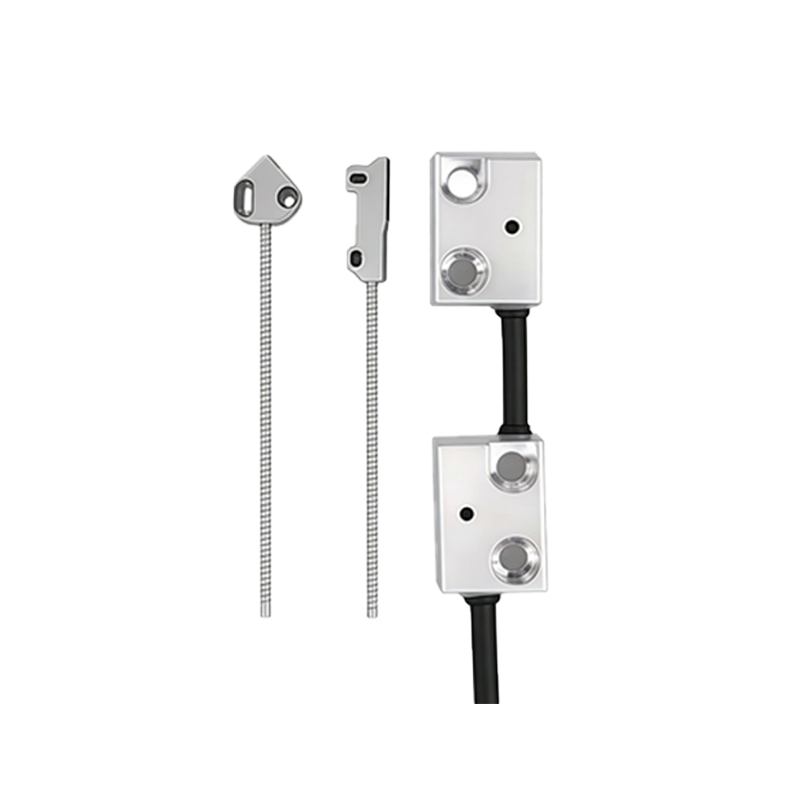
Commercial spaces utilize photoelectric sensors extensively for energy management. In offices, sensors are commonly found in ceiling-mounted lighting panels or integrated into occupancy-based systems, located above workstations, corridors, and conference rooms. Retail stores place them near entrances, display windows, and storage areas to trigger lights when customers approach. Warehouses and parking garages often have sensors attached to high bays or structural beams, detecting vehicle or pedestrian movement to illuminate specific zones only when needed, reducing operational costs.
Industrial and Specialty Applications
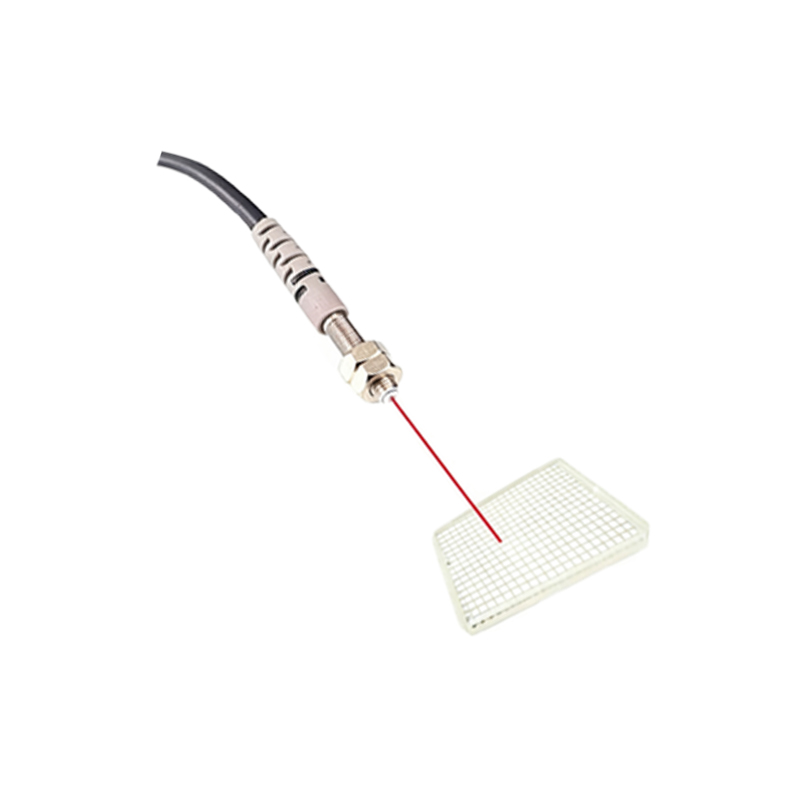
Industrial lighting systems rely on robust photoelectric sensors for safety and efficiency. In factories, sensors are installed on machinery, conveyor belts, or overhead gantries to control task lighting in hazardous areas or during automated processes. They may also be part of emergency lighting systems, positioned near exits or along escape routes to activate during power outages. Specialty applications include streetlights, where sensors are housed within luminaires or on separate poles to dim or brighten based on traffic flow, and agricultural lighting, with sensors placed in greenhouses to optimize growth cycles by mimicking natural daylight patterns.
Integration with Smart Lighting Networks
Advanced lighting networks incorporate photoelectric sensors into centralized control systems. These sensors are often connected via wireless nodes or wired interfaces, located at strategic points such as building perimeters, rooftops for daylight harvesting, or within IoT-enabled fixtures. In smart cities, sensors are embedded in streetlight posts to monitor environmental data while adjusting illumination. Proper placement ensures seamless communication between sensors, controllers, and lighting units, enabling features like adaptive dimming, scheduling, and real-time diagnostics for maintenance.
Considerations for Optimal Placement
Effective sensor placement requires attention to factors like field of view, range, and potential obstructions. Sensors should be positioned to avoid false triggers from sources like heating vents or reflective surfaces. In outdoor settings, they need weather-resistant enclosures and clear lines of sight. Regular calibration and testing are essential, especially in dynamic environments where lighting needs change. By following manufacturer guidelines and industry standards, such as those from IEEE or IEC, engineers can ensure sensors enhance lighting performance without compromising reliability or user comfort.
Future Trends and Innovations
Emerging technologies are expanding the role of photoelectric sensors in lighting. Miniaturized sensors are being integrated directly into LED chips or flexible circuit boards, allowing for discreet placement in architectural elements. Advances in LiDAR and multispectral sensing enable more precise detection for applications like human-centric lighting in healthcare facilities. As the Internet of Things evolves, sensors will increasingly serve dual purposes, such as monitoring air quality while controlling lights, driving toward smarter, more responsive environments across all sectors.