Understanding Top-Mounted Photoelectric Sensors
Top-mounted photoelectric sensors are critical components in modern industrial automation, widely used for object detection, positioning, and counting on conveyor lines, packaging machinery, and assembly systems. Their primary function is to emit a beam of light—typically infrared, visible red, or laser—and detect changes in the received light to determine the presence or absence of an object. The "top-mounted" configuration refers to sensors installed above the target area, looking downward, which is common for detecting objects on a moving surface. These sensors are favored for their non-contact operation, high speed, and reliability. However, like all electronic devices, they are susceptible to various failure modes that can disrupt production processes. Understanding their basic operation, including the differences between through-beam, retro-reflective, and diffuse reflective sensing modes, is the first step in effective troubleshooting. Each mode has unique advantages and potential failure points related to alignment, reflectivity, and environmental factors.
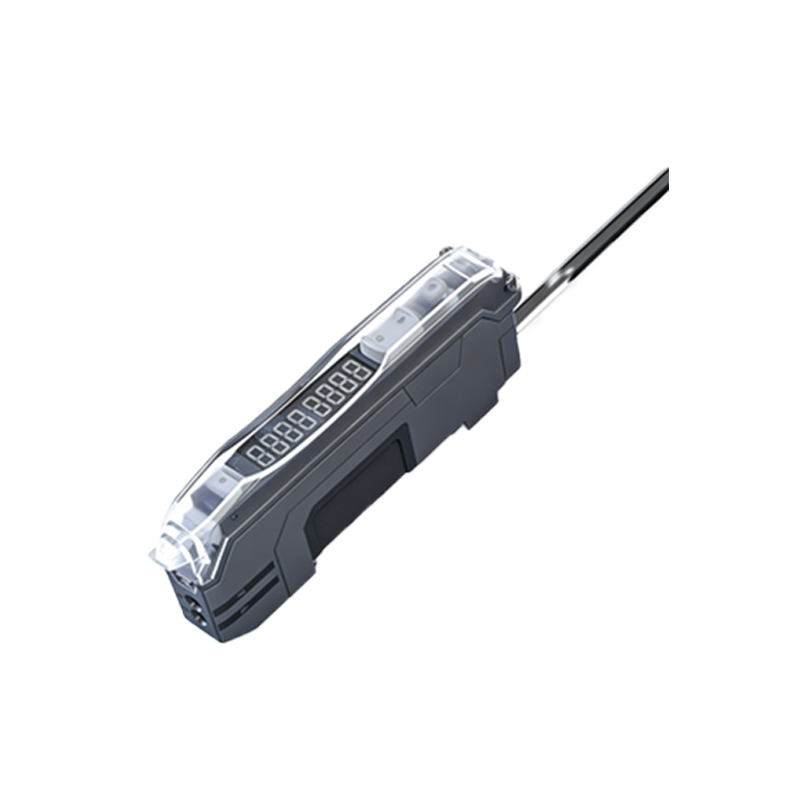
Common Causes of Sensor Failure
Several factors can lead to the malfunction or complete failure of a top-mounted photoelectric sensor. Environmental contamination is a leading cause. Dust, dirt, oil mist, or condensation accumulating on the sensor's lens or the reflector can significantly attenuate the light beam, causing false negatives or erratic operation. In harsh industrial environments, this buildup can occur rapidly. Physical damage is another common issue. Despite often being housed in rugged enclosures, sensors can suffer from impact, vibration leading to loose connections, or misalignment. Even a slight shift in position can cause a through-beam or retro-reflective sensor to lose its precise alignment, rendering it ineffective. Electrical problems are also frequent culprits. These include voltage spikes or surges damaging internal circuitry, improper wiring, incorrect power supply voltage, or electromagnetic interference (EMI) from nearby motors, drives, or welding equipment disrupting the sensor's signal.
Incorrect Application and Setup Errors
Not all sensor failures stem from the sensor itself; many arise from incorrect application or initial setup. Choosing the wrong sensor type for the task is a fundamental error. For instance, using a standard diffuse sensor to detect a shiny, reflective object can cause inconsistent readings due to the specular reflection of the beam away from the receiver. Similarly, using a sensor with an insufficient sensing range for the installation height will result in unreliable detection. Setup errors are equally problematic. Incorrectly setting the sensitivity potentiometer—too high might detect background objects or ambient light, while too low might miss the target—is a typical mistake. For sensors with teach-in functions, improper programming can lead to operational faults. Furthermore, failing to account for the object's characteristics, such as its color, material, size, or surface texture, during selection and setup will directly impact performance and longevity.
Step-by-Step Troubleshooting Guide
When a top-mounted photoelectric sensor fails, a systematic troubleshooting approach is essential. First, perform a visual inspection. Check for obvious physical damage, loose mounting, and most importantly, clean the lens and any reflector surfaces thoroughly with an appropriate cleaner. Next, verify the electrical connections. Ensure the power supply is within the sensor's specified range using a multimeter. Check all wiring for loose terminals, frayed cables, or incorrect polarity. Then, assess the alignment. For through-beam and retro-reflective types, use the sensor's built-in alignment indicator (often an LED) or a precise alignment tool to ensure the emitter and receiver are perfectly aligned. For diffuse sensors, verify the distance to the target is within the specified range. Test the sensor's output. Use a multimeter or the PLC input indicator to see if the output state changes reliably when a target object is introduced and removed. Isolating the sensor from potential EMI sources or installing ferrite cores on cables can help diagnose interference issues.
Preventive Maintenance Strategies
Proactive maintenance is key to maximizing the uptime and service life of top-mounted photoelectric sensors. Implementing a regular cleaning schedule is the most effective preventive measure. Establish a routine to clean lenses and reflectors based on the environmental contamination rate, using lint-free cloths and suitable solvents. Securing the installation is crucial. Use locking nuts on adjustable mounts, apply thread-locking compound where appropriate, and ensure all conduit connections are tight to prevent vibration-induced loosening or misalignment. Electrical protection should not be overlooked. Install surge protectors or noise filters on the power supply line to guard against voltage spikes and EMI. Consider using sensors with built-in diagnostics and IO-Link capability, which can provide detailed status information and pre-failure warnings. Finally, maintain accurate documentation, including sensor model, settings, and maintenance history, to streamline future troubleshooting and replacement.
When to Repair and When to Replace
Deciding whether to repair or replace a faulty sensor depends on several factors. For minor issues like dirty lenses or loose connections, repair is obviously the correct course. If the sensor housing is cracked but the electronics are functional, a replacement housing from the manufacturer might be a cost-effective solution. However, replacement is generally recommended in several scenarios. If the internal electronics are damaged by electrical overload, water ingress, or severe impact, repair is often not feasible or economical. When an older sensor model becomes obsolete and spare parts are unavailable, upgrading to a newer, more robust model is advisable. Furthermore, if the application requirements have changed—needing a longer range, different sensing mode, or higher environmental protection (IP rating)—replacing the sensor with a more suitable model presents an opportunity for system improvement rather than a simple like-for-like swap.