Understanding the Fundamentals of Long-Range Photoelectric Sensing
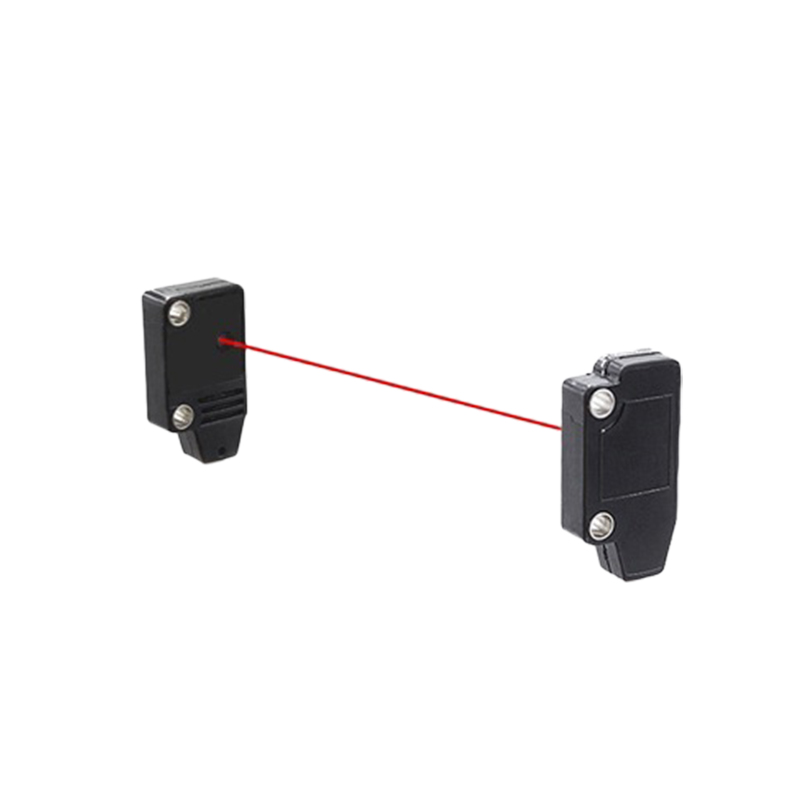
Long-range photoelectric sensors are pivotal components in modern industrial automation, designed to detect objects at distances significantly greater than standard proximity sensors. Their operation is grounded in the principle of emitting a beam of light—typically infrared, visible red, or laser—and analyzing the reflected signal. These sensors primarily utilize two sensing modes: through-beam and retro-reflective. Through-beam sensors consist of separate emitter and receiver units, offering the longest possible sensing ranges and highest reliability by detecting the interruption of a direct light beam. Retro-reflective models house both emitter and receiver in a single housing, relying on a dedicated reflector to bounce the light back, providing a good balance of range and ease of installation. The core advantage lies in their ability to perform precise, non-contact detection over distances from a few meters to several hundred meters, making them indispensable for large-scale applications.
Key Technologies and Performance Characteristics
The extended range of these sensors is achieved through advanced optical design and signal processing. High-intensity, focused light sources, such as modulated LED or laser diodes, ensure a strong, coherent beam that minimizes dispersion over distance. Sophisticated amplifiers employ background suppression techniques and digital filtering to distinguish the true target signal from ambient light interference or dust. Key performance specifications include sensing range, response time, light spot size, and environmental ratings. For instance, a laser-based sensor might offer a precise, small-diameter spot for detecting tiny objects at 10 meters, while a high-power infrared through-beam sensor could reliably monitor a conveyor entry point across a 50-meter warehouse aisle. Robust housing with IP67 or higher ratings ensures reliable operation in harsh conditions involving dust, moisture, and vibration.
Primary Industrial Applications and Use Cases
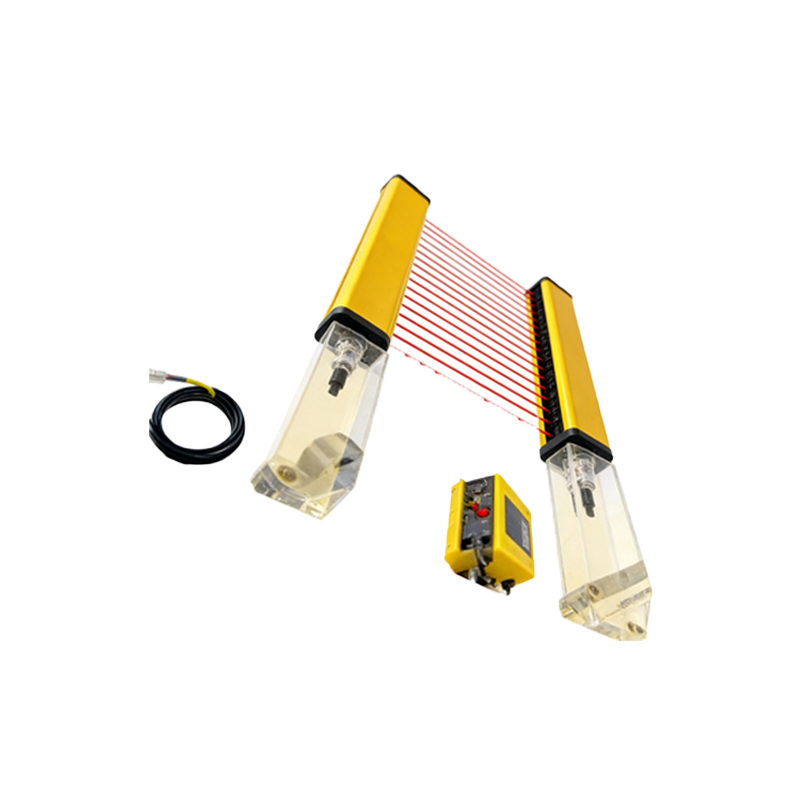
The applications for long-range photoelectric sensors span numerous industries. In material handling and logistics, they are used for vehicle detection in automated storage and retrieval systems (AS/RS), package presence verification on long conveyor lines, and pallet positioning in high-bay warehouses. In the automotive sector, they monitor parts transfer over large assembly cells and ensure safe perimeters around robotic welding stations. Outdoor applications include detecting ships at docks, monitoring stock levels in bulk material yards, and controlling access gates. Their long-range capability is crucial for early warning systems, allowing machinery to slow down or sequence operations before an object arrives, thereby enhancing both efficiency and safety.
Critical Factors for Sensor Selection and Integration
Selecting the appropriate long-range sensor requires a careful analysis of the application parameters. The first consideration is the required sensing distance and the size of the target object; a smaller object at a longer distance demands a sensor with a more focused beam. Environmental conditions are paramount: presence of dust, fog, or steam may necessitate a sensor with strong background suppression, while outdoor installations require models resistant to sunlight and wide temperature swings. The required response speed must match the process dynamics. Electrical output type (PNP/NPN, analog, or IO-Link) and mounting hardware must be compatible with the control system. Finally, features like adjustable sensing windows, teach-in functionality, and diagnostic LEDs can significantly simplify setup and maintenance.
Advantages Over Alternative Sensing Technologies
Compared to other long-range detection methods like ultrasonic sensors or radar, photoelectric sensors offer distinct benefits. They provide a much faster response time, which is critical for high-speed automation. The light beam allows for very precise detection zones and the ability to sense small objects. They are generally unaffected by factors like air pressure, temperature gradients, or the material's acoustic properties, which can affect ultrasonic sensors. However, their limitation is susceptibility to extreme contamination that can completely block the light path, such as heavy mud or opaque buildup. Therefore, the choice often involves a trade-off between speed/precision (photoelectric) and robustness in dirty environments (ultrasonic).
Installation Tips and Maintenance Best Practices
Proper installation is key to achieving optimal performance. For through-beam types, precise alignment of the emitter and receiver is critical, often aided by built-in alignment indicators. The units should be securely mounted to prevent vibration from misaligning the beam. For retro-reflective models, the reflector must be kept clean and aligned. It is essential to avoid mounting the sensor where direct sunlight or other strong light sources can shine directly into the receiver lens. Regular maintenance involves keeping the lenses clean from dust and grime using appropriate cleaners. Periodically checking the alignment and the signal strength, often indicated by the sensor's diagnostic LED, helps prevent unexpected downtime and ensures continuous, reliable operation in demanding industrial environments.