Introduction to Linear Sensor Proximity Switches
Linear sensor proximity switches are essential components in modern industrial automation, designed to detect the presence or absence of objects without physical contact. These devices operate based on electromagnetic, capacitive, or inductive principles, providing precise and reliable measurements in various applications. Unlike traditional mechanical switches, linear sensors offer non-contact operation, reducing wear and tear and enhancing longevity. They are widely used in manufacturing, robotics, automotive assembly, and packaging industries, where accuracy and repeatability are critical. The ability to measure linear displacement with high resolution makes them indispensable for tasks such as position control, quality inspection, and safety monitoring.
Working Principles and Technologies
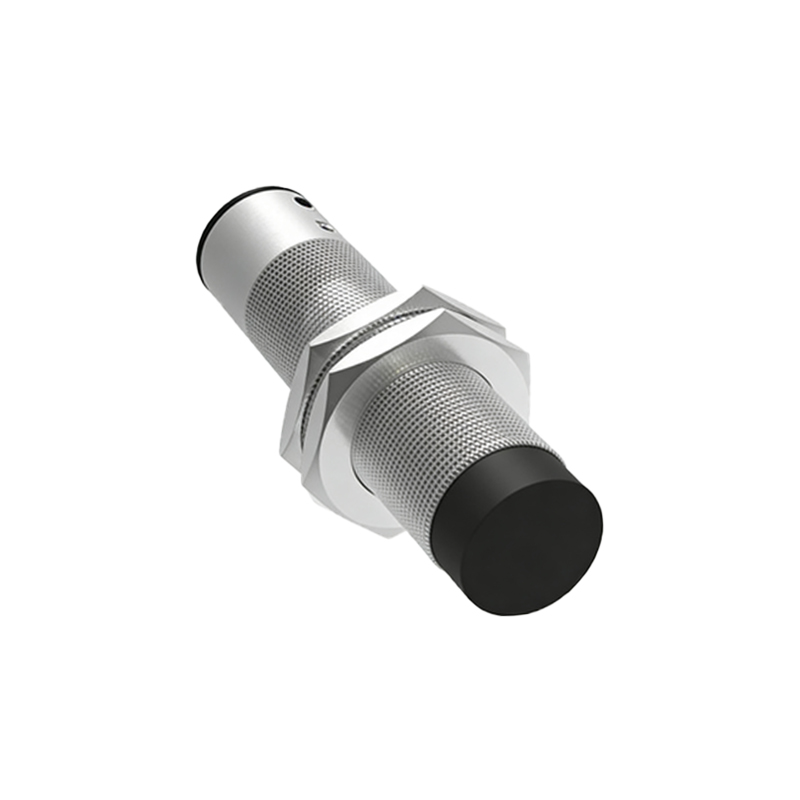
The functionality of linear sensor proximity switches relies on advanced sensing technologies. Inductive sensors detect metallic objects by generating an electromagnetic field, while capacitive sensors respond to both metallic and non-metallic materials by measuring changes in capacitance. Hall-effect sensors use magnetic fields to determine position, offering high precision in harsh environments. These sensors convert physical proximity into electrical signals, typically analog outputs like 4-20 mA or 0-10 V, which are then processed by control systems. Key parameters include sensing range, response time, and linearity, which define their performance in specific applications. Understanding these principles helps engineers select the right sensor for optimal efficiency.
Key Features and Advantages
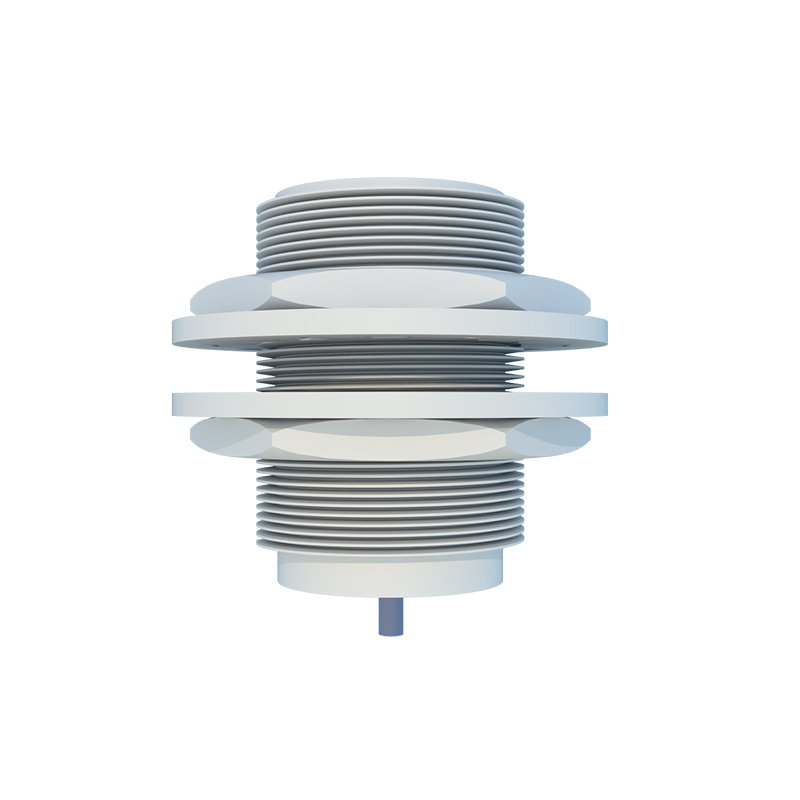
Linear sensor proximity switches boast several features that set them apart in industrial settings. High accuracy and repeatability ensure consistent measurements, even in dynamic operations. Their non-contact nature minimizes maintenance needs and prevents contamination from dust or fluids. Many models are built with rugged housings, offering resistance to shock, vibration, and extreme temperatures. Additionally, these sensors often include diagnostic capabilities, such as LED indicators for status monitoring, enhancing troubleshooting efforts. Advantages include improved productivity, reduced downtime, and enhanced safety by enabling automated shutdowns in hazardous conditions. These benefits contribute to cost savings and operational excellence.
Applications in Industrial Automation
In industrial automation, linear sensor proximity switches play a vital role across diverse sectors. In automotive manufacturing, they monitor component positioning on assembly lines, ensuring precise fitting of parts. Robotics applications utilize them for arm movement control and object detection, enabling seamless automation. Packaging machinery relies on these sensors to verify product placement and count items accurately. They are also employed in material handling systems to detect object presence on conveyors, preventing jams and optimizing flow. Other uses include CNC machine tool positioning, pharmaceutical quality checks, and aerospace component testing, highlighting their versatility and reliability.
Selection Criteria and Installation Tips
Choosing the right linear sensor proximity switch requires careful consideration of several factors. Engineers must assess the sensing range needed for the application, ensuring it matches object size and distance. Environmental conditions, such as temperature extremes, humidity, or exposure to chemicals, dictate the required housing material and protection rating (e.g., IP67). Output type should align with the control system, whether analog for continuous measurement or digital for simple detection. Installation involves proper mounting to avoid interference from nearby metals or electrical noise, and regular calibration maintains accuracy. Following manufacturer guidelines and conducting routine checks can extend sensor life and prevent failures.
Future Trends and Innovations
The future of linear sensor proximity switches is shaped by ongoing technological advancements. Integration with IoT (Internet of Things) allows for real-time data monitoring and predictive maintenance, reducing unplanned outages. Miniaturization trends enable sensors to fit into compact spaces without sacrificing performance. Enhanced materials, such as ceramic coatings, improve durability in corrosive environments. Smart sensors with embedded intelligence can self-adjust settings based on operating conditions, boosting adaptability. As Industry 4.0 evolves, these innovations will drive greater efficiency, connectivity, and automation, solidifying the role of linear sensors in next-generation industrial systems.