Introduction to the LF31 Square Photoelectric Sensor
The LF31 series represents a robust and versatile category within the photoelectric sensor market. Characterized by its compact, square housing, this sensor is engineered for reliable detection across diverse industrial automation applications. Its design typically incorporates features such as diffuse, retro-reflective, or through-beam sensing modes, offering solutions for object detection, counting, and positioning tasks. The LF31 is known for its durability, often featuring IP67-rated enclosures that provide resistance to dust and water ingress, making it suitable for challenging factory floor environments. Understanding its core functionality and typical specifications is the first step in analyzing the factors that influence its market price.
Key Factors Influencing the LF31 Sensor Price
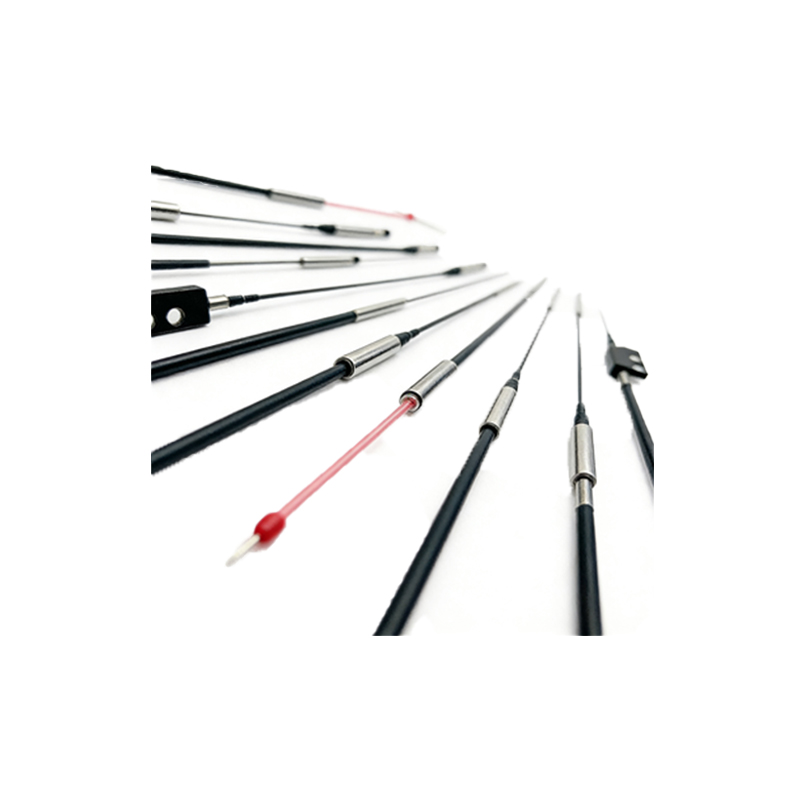
The price of an LF31 square photoelectric sensor is not a fixed figure but a variable influenced by several technical and market elements. Primarily, the sensing range and type (e.g., standard diffuse versus background suppression) significantly impact cost. Sensors with longer ranges or advanced filtering capabilities command higher prices. The light source, typically red LED or laser, also plays a role; laser-based versions are generally more expensive. Output configuration (PNP/NPN, NO/NC, analog) and connection type (connector vs. pre-wired cable) add further cost layers. Additionally, brand reputation and the associated reliability, warranty, and technical support are major price determinants. Established manufacturers often price their LF31 equivalents higher due to proven performance and global supply chain strength.
Market Competition and Supplier Landscape
The market for photoelectric sensors like the LF31 is highly competitive, featuring global automation giants such as Omron, Sick, Keyence, and Banner Engineering, alongside numerous regional and specialized suppliers. This competition creates a broad price spectrum. While premium brands offer cutting-edge features and exceptional reliability, several manufacturers produce compatible or generic square photoelectric sensors that may offer similar form and function at a lower price point. The rise of online industrial marketplaces and distributors has increased price transparency, allowing buyers to compare options easily. However, it is crucial to evaluate not just the initial purchase price but also the total cost of ownership, which includes factors like longevity, maintenance, and compatibility with existing systems.
Price Range and Typical Cost Considerations
Providing an exact price for the LF31 is impractical due to the variables mentioned. However, a general price range can be established. Standard, entry-level square diffuse photoelectric sensors from mainstream suppliers might start in the range of $50 to $120 per unit. More advanced models with features like precise background suppression, longer sensing ranges (exceeding several meters), or specialized housings for harsh environments can range from $150 to $300 or more. It is essential to obtain specific quotations from distributors or manufacturers, as list prices often differ from negotiated volume pricing. For large OEM projects, significant discounts are common, dramatically reducing the per-unit cost.
The Impact of Order Quantity and Customization
Order volume is perhaps the most direct factor affecting the per-unit price of LF31 sensors. Purchasing single units for maintenance or prototyping incurs the highest cost. Conversely, bulk orders for production lines or large-scale machine builds typically secure substantial discounts. Some manufacturers also offer modular or customizable versions of their square sensor platforms, allowing selection of specific sensing heads, cables, and logic functions. While customization adds to the unit cost and lead time, it can optimize performance for a specific application, potentially offering better value than an over-specified standard model. Planning procurement based on projected annual usage is a standard cost-saving strategy.
Trends Affecting Future Pricing
Several industry trends are poised to influence the pricing of components like the LF31 sensor. The increasing integration of Industrial Internet of Things (IIoT) capabilities, such as IO-Link communication, adds functionality and cost. While these "smart sensors" are currently premium products, economies of scale may reduce their price premium over time. Global supply chain dynamics, material costs (especially for semiconductors and plastics), and regional trade policies continue to cause price volatility. Furthermore, the growing demand for energy-efficient and miniaturized sensors may drive R&D costs, initially keeping prices stable for advanced models even as basic versions become more commoditized and affordable.
Procurement Strategy and Best Practices
To navigate the LF31 sensor market effectively, a strategic procurement approach is recommended. First, clearly define the application requirements to avoid paying for unnecessary features. Engage with technical sales representatives from multiple suppliers to discuss specific needs and request samples for testing. Compare total cost, including shipping, tariffs, and potential spare parts. Consider the supplier's local support and lead times, as a slightly higher unit price from a distributor with stock availability can prevent costly production downtime. Finally, for critical applications, prioritizing sensor reliability and manufacturer support over the absolute lowest price often proves to be the most cost-effective decision in the long-term operational context.