Introduction to Split Proximity Sensors
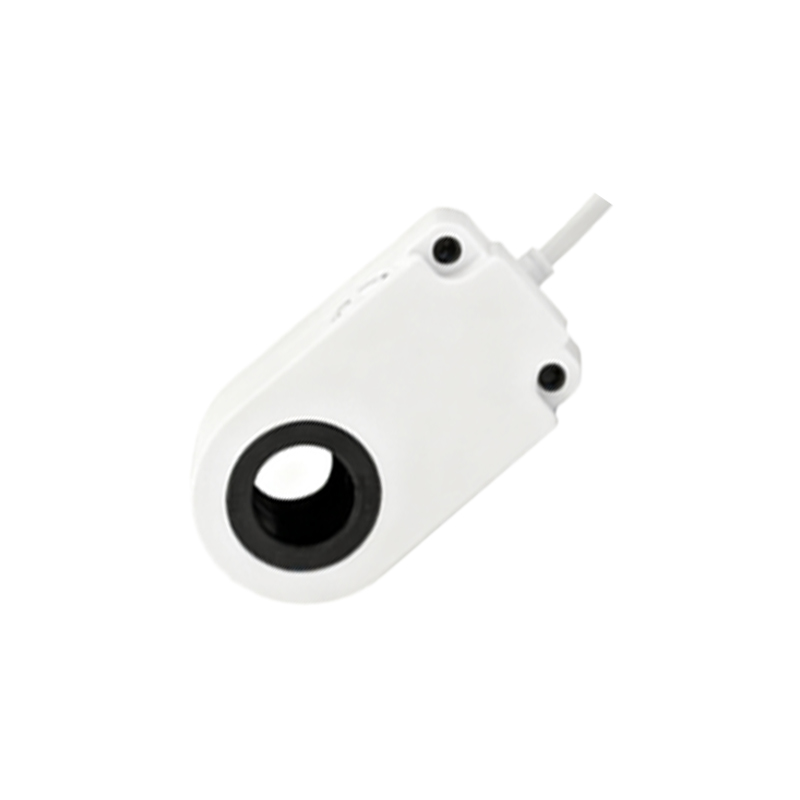
Split proximity sensors, also known as two-part proximity sensors, consist of a separate sensing head and amplifier unit. This design allows for flexible installation in confined or harsh industrial environments where space is limited. Unlike traditional unitary sensors, the split configuration enables the sensing head to be mounted directly at the detection point, while the amplifier can be placed in a more accessible or protected location. This separation enhances durability and simplifies maintenance, making split proximity sensors a preferred choice in industries such as manufacturing, automotive, and material handling. Their ability to detect metallic or non-metallic objects without physical contact ensures reliable operation in demanding applications.
Enhanced Flexibility and Installation Ease
One of the key features of split proximity sensors is their exceptional flexibility during installation. The sensing head, typically compact and robust, can be positioned in tight spaces, such as inside machinery or near moving parts, without compromising performance. Meanwhile, the amplifier unit, which processes signals, can be installed up to several meters away, often in control cabinets or less hazardous areas. This reduces wiring complexity and minimizes exposure to extreme temperatures, vibrations, or contaminants. Engineers appreciate this modularity, as it allows for quick adjustments and replacements without dismantling entire systems, thereby reducing downtime and labor costs.
Improved Durability and Environmental Resistance
Split proximity sensors are engineered to withstand challenging industrial conditions. The sensing head is commonly constructed from materials like stainless steel or rugged plastics, offering high resistance to corrosion, moisture, and mechanical shocks. Many models feature IP67 or higher ingress protection ratings, ensuring reliable operation in dusty or wet environments. By isolating the amplifier from harsh on-site conditions, the overall sensor lifespan is extended. This durability translates to lower failure rates and enhanced safety, particularly in sectors like mining, food processing, or outdoor applications where sensors face constant wear and tear.
High Precision and Sensing Capabilities
Despite their split design, these sensors maintain high accuracy in detection tasks. They utilize technologies such as inductive, capacitive, or ultrasonic sensing to identify objects with precision, often within millimeter ranges. The amplifier unit provides adjustable settings for sensitivity, response time, and output signals (e.g., NPN/PNP or analog outputs), allowing customization for specific applications. This ensures consistent performance in tasks like position monitoring, object counting, or edge detection. Advanced models may include diagnostic features, such as LED indicators or fault alerts, which help operators monitor sensor health and optimize processes in real-time.
Cost-Effectiveness and Maintenance Advantages
From a financial perspective, split proximity sensors offer significant cost savings over their lifecycle. Their modular nature means that if one component fails, only that part needs replacement—rather than the entire sensor—reducing spare parts inventory and repair expenses. Additionally, the ease of maintenance minimizes production interruptions, boosting overall efficiency. Industries with high-volume operations, such as packaging or assembly lines, benefit from these sensors' reliability and low total cost of ownership. By integrating split proximity sensors, companies can achieve better resource allocation and long-term operational stability.
Applications Across Diverse Industries
Split proximity sensors find utility in a wide range of industrial settings. In automotive manufacturing, they monitor robotic arm movements or detect parts on conveyor belts. In the food and beverage sector, their hygienic designs prevent contamination while sensing packaging materials. Logistics and warehousing use them for pallet tracking and automated sorting systems. Their adaptability also extends to renewable energy, such as wind turbine monitoring, where sensors endure variable weather conditions. This versatility underscores their role as critical components in modern automation, driving productivity and innovation across global industries.
Future Trends and Technological Advancements
The evolution of split proximity sensors continues with advancements in smart technology and connectivity. Emerging trends include integration with Industrial Internet of Things (IIoT) platforms, enabling remote monitoring and data analytics for predictive maintenance. Enhanced materials and miniaturization are making sensors even more resilient and compact. As industries embrace Industry 4.0, these sensors are likely to incorporate features like wireless communication and self-calibration, further improving efficiency. By staying at the forefront of innovation, split proximity sensors will remain essential tools for engineers seeking robust, adaptable solutions in an increasingly automated world.