Introduction to the 15pm Hourglass System
The 15pm hourglass system represents a sophisticated integration of timing and sensing technologies in modern industrial automation. Designed for precision control in assembly lines, packaging machinery, and robotic applications, it relies heavily on accurate sensor inputs to maintain operational integrity. Among its critical components, the proximity sensor plays a pivotal role in detecting the presence or absence of objects without physical contact, ensuring seamless workflow and preventing mechanical collisions. When the 15pm hourglass fails to read the proximity sensor, it can lead to significant downtime, production delays, and potential safety hazards. This article delves into the common causes, diagnostic procedures, and effective solutions for this issue, tailored for electrical engineers and maintenance professionals.
Common Causes of Proximity Sensor Reading Failures
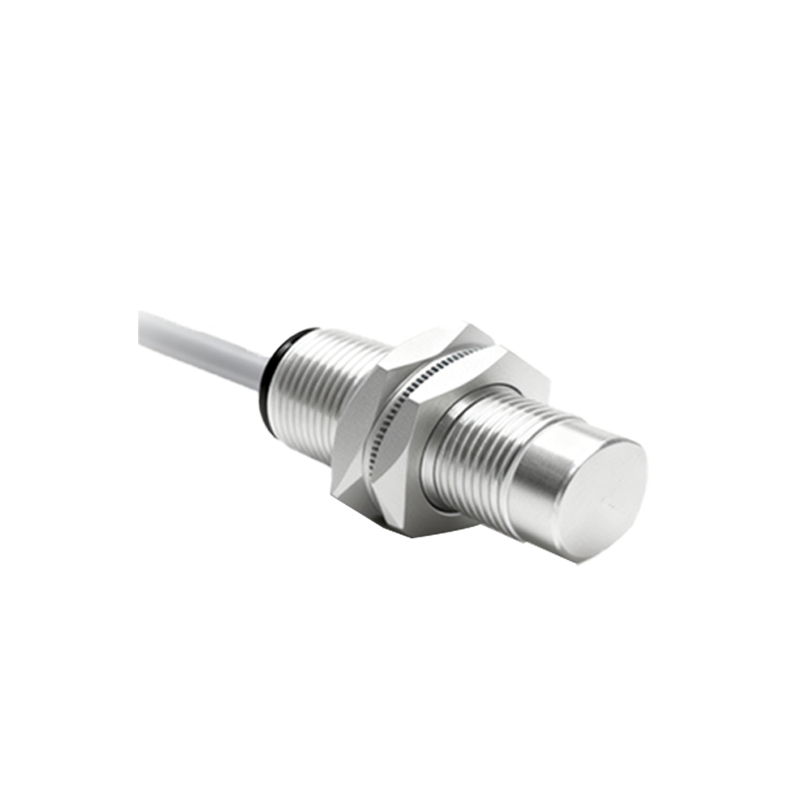
Several factors can contribute to the 15pm hourglass system's inability to read a proximity sensor. First, wiring issues such as loose connections, damaged cables, or incorrect polarity can disrupt signal transmission. Proximity sensors typically operate on low-voltage DC power, and any interruption in the circuit can cause reading failures. Second, environmental conditions like excessive dust, moisture, or electromagnetic interference (EMI) from nearby equipment may affect sensor performance. Industrial settings often expose sensors to harsh conditions, leading to false readings or complete malfunctions. Third, sensor misalignment or improper installation can result in inadequate detection ranges, causing the hourglass system to miss signals. Additionally, internal component wear, such as degraded sensing elements or faulty electronics within the sensor, can gradually reduce reliability. Finally, software or firmware glitches in the 15pm hourglass controller might misinterpret sensor data, necessitating updates or recalibration.
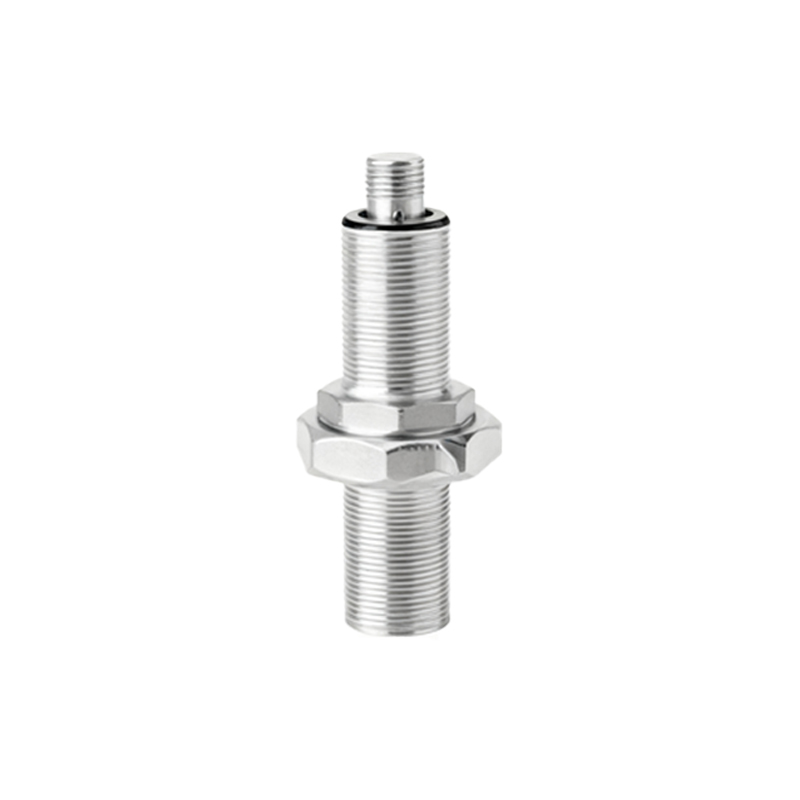
Diagnostic Steps for Identifying the Root Cause
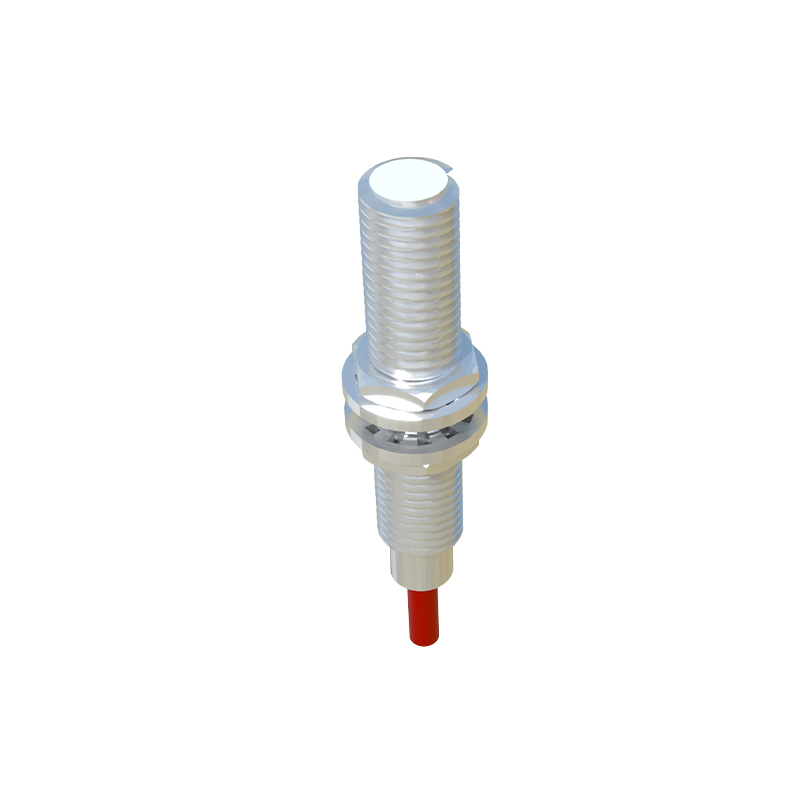
To address the problem systematically, start with a visual inspection of the proximity sensor and its connections. Check for physical damage, corrosion, or loose terminals, and ensure the sensor is correctly positioned relative to the target object. Use a multimeter to measure voltage levels at the sensor's power supply and output terminals; a reading outside the specified range indicates a power issue or sensor failure. Next, test the sensor independently by simulating target presence—if it functions correctly in isolation, the issue may lie in the hourglass system's input module. Employ an oscilloscope to analyze signal waveforms for noise or distortion, which could point to EMI problems. Review the system's error logs or diagnostic codes, as modern 15pm hourglass units often provide detailed fault information. If software is suspected, verify firmware versions and consider resetting or reprogramming the controller. Document all findings to streamline the troubleshooting process and prevent recurrence.
Practical Solutions and Preventive Measures
Once the cause is identified, implement targeted solutions. For wiring faults, repair or replace damaged cables and secure all connections with appropriate terminals. Shield cables and sensors from EMI sources, such as motors or high-frequency devices, using ferrite cores or grounded enclosures. In dusty or wet environments, install protective covers or choose sensors with higher IP ratings (e.g., IP67) to enhance durability. Realign misadjusted sensors according to manufacturer specifications, ensuring optimal detection distance and angle. Replace worn-out sensors with compatible models, prioritizing quality brands for longevity. For software-related issues, update the hourglass system's firmware and recalibrate sensor parameters via the control interface. Establish a routine maintenance schedule, including regular cleaning, testing, and documentation of sensor performance. Training personnel on proper handling and installation techniques can further reduce failure rates.
Conclusion and Best Practices
Resolving a 15pm hourglass's failure to read a proximity sensor requires a methodical approach combining electrical expertise and practical experience. By understanding common causes, conducting thorough diagnostics, and applying effective solutions, engineers can minimize downtime and maintain system efficiency. Emphasize preventive maintenance and environmental controls to extend sensor lifespan and ensure reliable operation. As automation technology evolves, staying informed about advancements in sensor design and integration will help professionals tackle similar challenges proactively. Ultimately, a well-maintained sensor network is key to optimizing the performance of the 15pm hourglass system in diverse industrial applications.