Introduction to Infrared Photoelectric Sensors
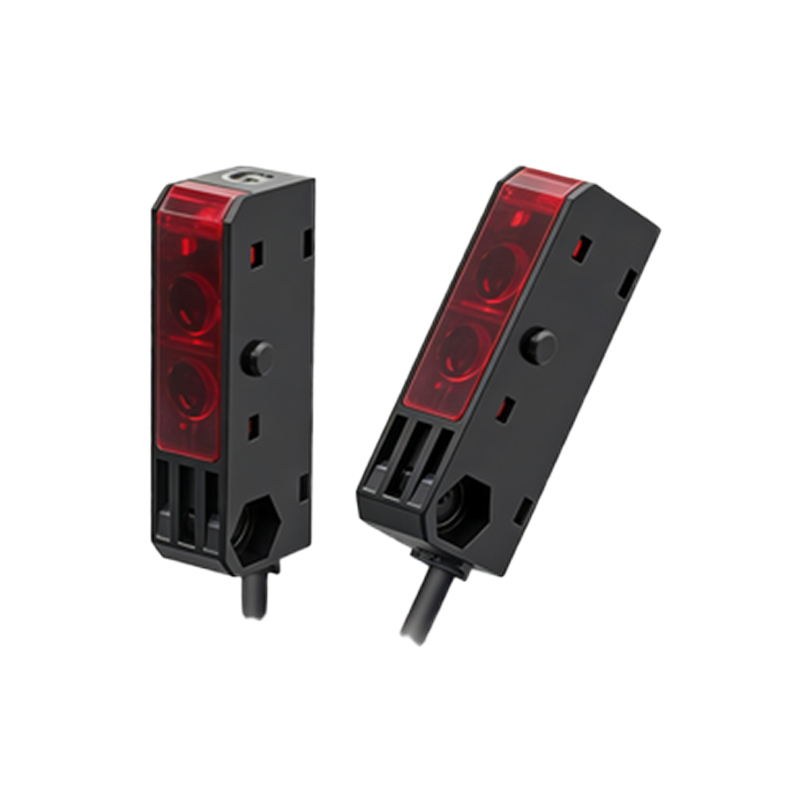
Infrared photoelectric sensors are pivotal components in modern textile instrumentation, leveraging infrared light to detect, measure, and control various processes. These sensors operate by emitting an infrared beam and analyzing the reflected or transmitted light to identify objects, monitor fabric quality, or gauge material thickness. Their non-contact nature ensures minimal interference with delicate textile materials, making them ideal for high-speed production environments. In textile manufacturing, precision is paramount, and infrared sensors provide the accuracy needed to maintain consistent product standards. From yarn counting to fabric inspection, these devices enhance operational efficiency by automating detection tasks that were once manual and error-prone. As the textile industry evolves towards Industry 4.0, the integration of advanced infrared sensors is becoming a standard for smart manufacturing systems.
Working Principles and Key Components
The functionality of infrared photoelectric sensors relies on fundamental optical and electronic principles. Typically, these sensors consist of an infrared emitter, a receiver, and a signal processing unit. The emitter generates a focused infrared beam, which interacts with the target textile material. Depending on the sensor type—such as diffuse, retro-reflective, or through-beam—the receiver detects changes in light intensity, reflection patterns, or beam interruption. For instance, in a through-beam setup, the sensor detects fabric edges by noting when the beam is blocked, enabling precise cutting or alignment. The signal processor then converts these optical changes into electrical signals, which are interpreted by control systems to trigger actions like stopping machinery or adjusting tension. Key components include LEDs for emission, photodiodes or phototransistors for reception, and microcontrollers for data analysis, all designed to withstand harsh industrial conditions like dust and vibration.
Applications in Textile Manufacturing Processes
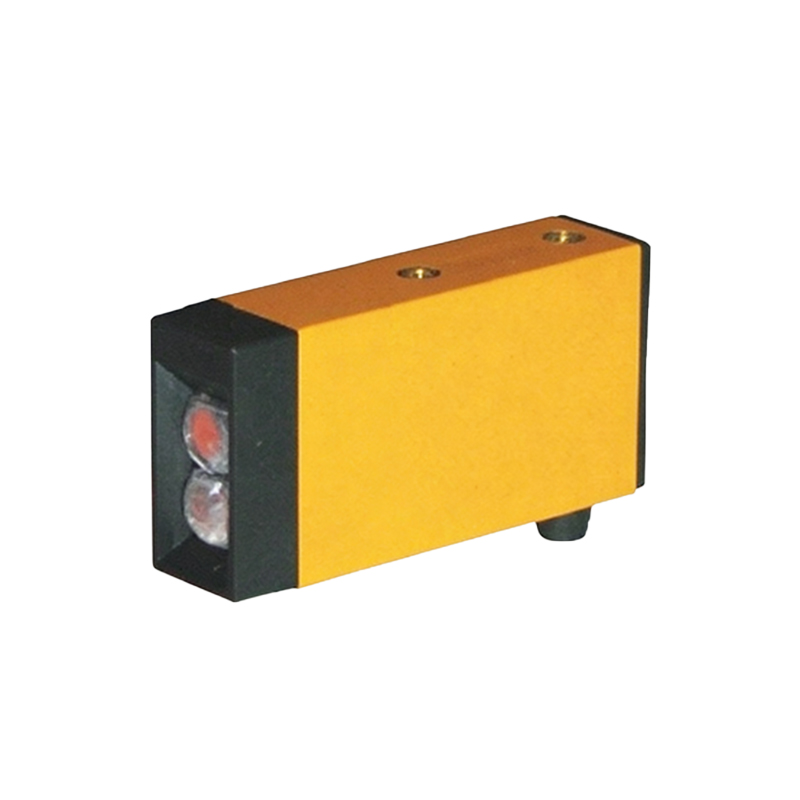
Infrared photoelectric sensors are deployed across diverse textile manufacturing stages, significantly improving quality control and automation. In spinning mills, they monitor yarn diameter and detect breaks, ensuring continuous production without downtime. During weaving, sensors align threads and detect defects in real-time, reducing waste and enhancing fabric integrity. In dyeing and finishing processes, they measure fabric thickness and moisture content, optimizing chemical application and drying cycles. Additionally, in cutting and sewing operations, infrared sensors guide machinery for accurate pattern matching and seam detection. A notable application is in non-contact fabric inspection systems, where sensors scan surfaces to identify flaws like stains or holes, allowing for immediate corrective measures. This widespread use not only boosts productivity but also supports sustainable practices by minimizing material waste and energy consumption.
Advantages Over Traditional Sensing Methods
Compared to traditional mechanical or contact-based sensors, infrared photoelectric sensors offer distinct advantages in textile instrumentation. Their non-contact operation eliminates wear and tear, reducing maintenance costs and extending equipment lifespan. They provide high-speed response times, crucial for fast-paced production lines where milliseconds matter. Infrared sensors are also immune to electromagnetic interference, ensuring reliable performance near heavy machinery. Moreover, they can detect transparent or thin materials that might be challenging for other sensors, such as fine synthetic fibers. By enabling precise, real-time data collection, these sensors facilitate predictive maintenance and process optimization, leading to fewer defects and higher throughput. Their versatility allows integration with IoT platforms, enabling remote monitoring and data analytics for smarter decision-making in textile factories.
Challenges and Future Trends
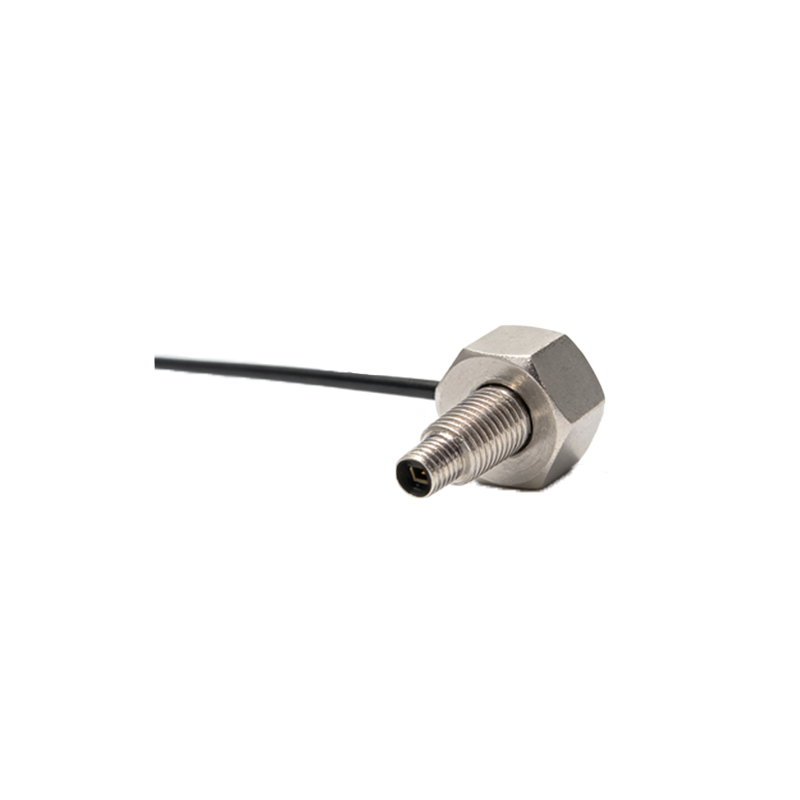
Despite their benefits, infrared photoelectric sensors face challenges in textile applications, including sensitivity to environmental factors like ambient light or dust accumulation. Calibration requirements can be stringent, necessitating regular checks to maintain accuracy. However, ongoing advancements are addressing these issues. Future trends point towards miniaturization and enhanced sensitivity, with sensors becoming more compact and capable of detecting finer details. The integration of AI and machine learning is poised to revolutionize sensor functionality, enabling adaptive systems that learn from production data to improve detection algorithms. Additionally, the development of multi-spectral infrared sensors could allow for simultaneous monitoring of multiple fabric properties, such as color and texture. As the textile industry embraces digital transformation, infrared photoelectric sensors will continue to evolve, driving innovation in automation and quality assurance.