Introduction to Photoelectric Sensor Technology
Photoelectric sensors are pivotal components in modern industrial automation, utilizing light beams to detect the presence, absence, or distance of objects. These devices operate by emitting a light source—typically infrared, visible red, or laser—and measuring the reflected or interrupted light to trigger an output signal. The core principle hinges on the modulation of light, ensuring reliability even in challenging environments with dust, moisture, or varying ambient light. Industries such as manufacturing, packaging, and automotive rely on these sensors for precision tasks like object counting, positioning, and quality control. Their non-contact nature minimizes wear and tear, enhancing operational longevity and reducing maintenance costs. As automation evolves, photoelectric sensors have become more sophisticated, integrating advanced features like background suppression and fiber-optic capabilities for specialized applications. Understanding this technology is essential for selecting the right inspection equipment to optimize production lines and ensure safety standards.
Key Components of Inspection Equipment
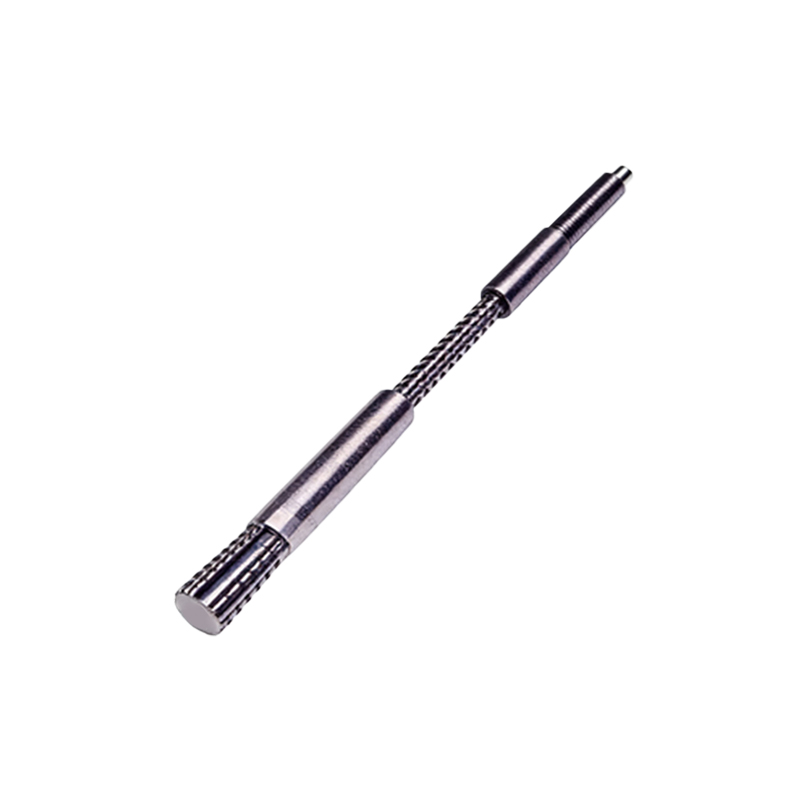
Inspection equipment for photoelectric sensors comprises several critical elements that ensure accurate detection and performance. The emitter unit generates the light beam, often using LEDs or laser diodes for consistent output, while the receiver detects changes in light intensity. Enclosures are designed to meet IP ratings, protecting against environmental factors like water, oil, and mechanical shocks. Amplifiers and controllers process signals, converting them into readable outputs such as analog voltage or digital signals for PLC integration. Additionally, mounting accessories, alignment tools, and calibration devices are integral for setup and maintenance. Modern systems may include smart diagnostics, with indicators for alignment status or fault detection, streamlining troubleshooting. Fiber-optic cables extend sensing capabilities to confined spaces, allowing flexibility in harsh conditions. By combining these components, inspection equipment provides a robust framework for real-time monitoring, ensuring sensors operate within specified tolerances and adapt to dynamic industrial settings.
Types of Photoelectric Sensor Inspection Devices
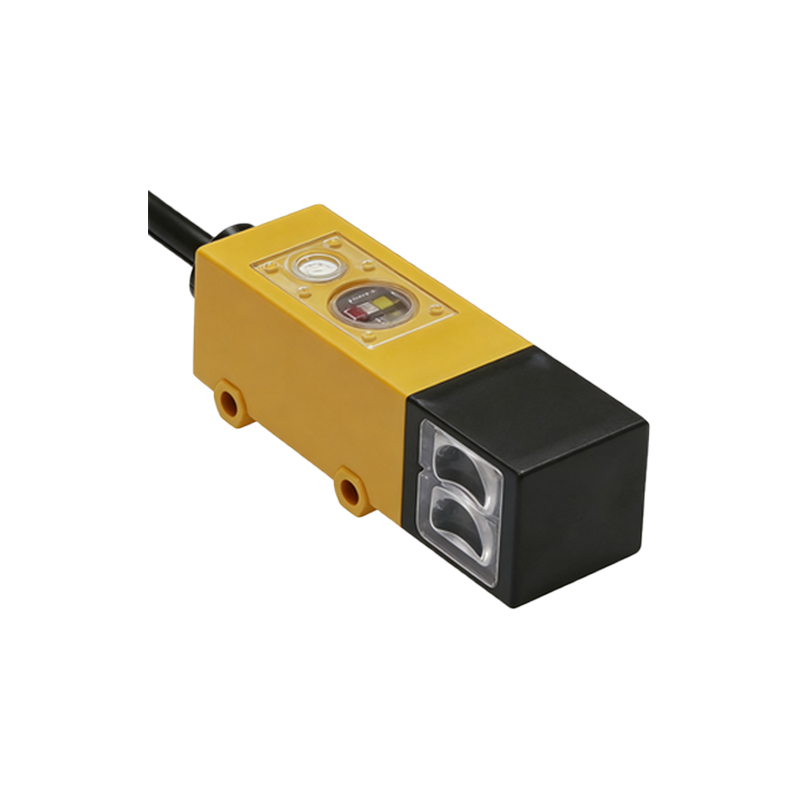
Various inspection devices cater to different photoelectric sensor configurations, each tailored for specific operational needs. Through-beam sensors, consisting of separate emitter and receiver units, offer long-range detection and high accuracy, ideal for conveyor systems. Retro-reflective sensors use a reflector to bounce light back, suitable for medium-range applications where alignment is challenging. Diffuse sensors rely on direct reflection from the target object, perfect for close-range tasks like detecting transparent materials. Color sensors distinguish hues by analyzing reflected wavelengths, while luminescence sensors detect markings invisible to the human eye. For calibration, dedicated testers simulate object presence, verifying sensor response times and sensitivity settings. Portable analyzers measure light intensity and alignment, aiding in field maintenance. Advanced devices incorporate IoT connectivity, enabling remote monitoring and data logging for predictive analytics. Selecting the appropriate type depends on factors like detection range, environmental conditions, and target material properties, ensuring optimal performance in diverse industrial scenarios.
Calibration and Maintenance Procedures
Regular calibration and maintenance are crucial for sustaining photoelectric sensor accuracy and reliability. Calibration involves adjusting sensitivity thresholds using reference objects or standardized testers to match application requirements. Technicians should follow manufacturer guidelines, checking alignment with laser pointers or alignment tools to prevent signal drift. Maintenance routines include cleaning lenses and housings to prevent contamination, inspecting cables for wear, and verifying power supply stability. Environmental factors like temperature fluctuations or vibration can affect performance, necessitating periodic checks with diagnostic equipment. Logging calibration dates and sensor outputs helps track degradation over time, enabling proactive replacements. For integrated systems, automated self-test features reduce downtime by alerting operators to faults. Training personnel on proper handling and troubleshooting techniques minimizes errors, ensuring consistent operation. By implementing a structured maintenance schedule, industries can extend sensor lifespan, reduce failure rates, and maintain high productivity levels without unexpected interruptions.
Applications in Industrial Automation
Photoelectric sensor inspection equipment plays a vital role across multiple industrial sectors, driving efficiency and safety. In manufacturing, sensors monitor assembly lines for part presence or orientation, triggering robotic arms for precise handling. Packaging industries use them to count items, verify fill levels, and detect label placement, reducing waste and ensuring compliance. Automotive applications include weld seam detection and component positioning during production, enhancing quality control. Logistics and warehousing rely on sensors for conveyor belt tracking and inventory management, optimizing supply chain operations. In hazardous environments, explosion-proof variants ensure safe detection of gases or flammable materials. Food and beverage sectors utilize washdown sensors for hygiene-critical processes, resisting corrosion from cleaning agents. Emerging trends like Industry 4.0 integrate these sensors with AI and machine learning, enabling adaptive systems that predict failures and optimize energy use. By leveraging advanced inspection tools, industries achieve higher automation levels, improved accuracy, and cost savings, reinforcing photoelectric sensors as indispensable assets in modern engineering.
Future Trends and Innovations
The future of photoelectric sensor inspection equipment is shaped by technological advancements that enhance functionality and integration. Miniaturization allows for smaller sensors with higher precision, suitable for micro-assembly tasks in electronics or medical devices. Enhanced connectivity via IO-Link or Ethernet/IP enables real-time data exchange with central control systems, facilitating remote diagnostics and firmware updates. Smart sensors with embedded intelligence can self-adjust parameters based on environmental changes, reducing manual intervention. Energy-efficient designs lower power consumption, aligning with sustainability goals in green manufacturing. Additionally, hybrid sensors combining photoelectric with other technologies, such as ultrasonic or vision systems, offer multi-modal detection for complex applications. Research into new light sources, like VCSELs (Vertical-Cavity Surface-Emitting Lasers), promises improved beam quality and longer ranges. As industries embrace digital twins and predictive maintenance, inspection equipment will evolve to provide comprehensive analytics, transforming raw data into actionable insights. These innovations will drive smarter, more resilient automation networks, ensuring photoelectric sensors remain at the forefront of industrial innovation.