Introduction to M18 Proximity Sensors
M18 proximity sensors are a fundamental component in modern industrial automation, known for their compact 18mm cylindrical housing and reliable non-contact detection capabilities. These sensors operate by generating an electromagnetic field or a beam of light to detect the presence or absence of metallic or non-metallic objects without physical contact. The M18 form factor has become an industry standard due to its optimal balance between size, sensing range, and durability. Commonly used in manufacturing, packaging, material handling, and automotive assembly lines, these sensors provide critical feedback for machine control, ensuring precise positioning, counting, and safety interlocks. Their widespread adoption is attributed to consistent performance in harsh environments, resistance to vibration, and compatibility with various mounting configurations.
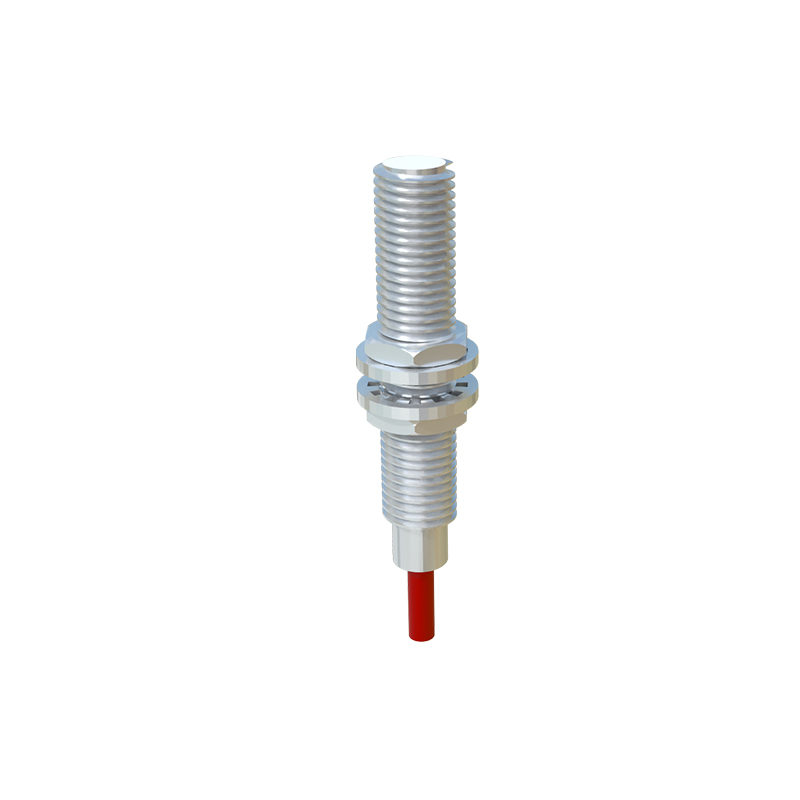
Key Operating Principles and Technologies
M18 proximity sensors primarily utilize three sensing technologies: inductive, capacitive, and photoelectric. Inductive sensors are the most prevalent, detecting ferrous and non-ferrous metals through electromagnetic induction. They typically offer sensing ranges from 2mm to 8mm and are immune to non-metallic contaminants like dust or oil. Capacitive M18 sensors can detect both metallic and non-metallic materials, including liquids, plastics, and wood, by measuring changes in capacitance. Photoelectric M18 sensors use infrared, laser, or visible light to detect objects, suitable for longer ranges and color differentiation. Each technology has distinct advantages; selecting the correct type depends on the target material, required sensing distance, environmental conditions, and application speed. Understanding these principles is crucial for optimizing sensor performance and system reliability.
Critical Selection Criteria for Engineers
Choosing the right M18 sensor requires careful evaluation of several technical parameters. Sensing distance, or the nominal range at which the sensor can reliably detect a standard target, is a primary consideration. Engineers must also account for the sensor's output type—typically NPN (sinking) or PNP (sourcing) transistor outputs, or analog outputs for distance measurement. The housing material, usually nickel-plated brass or stainless steel, determines resistance to chemicals, temperature extremes, and mechanical impact. Electrical specifications such as operating voltage (commonly 10-30V DC), current consumption, and switching frequency must match the control system. Additionally, factors like IP (Ingress Protection) rating for dust and water resistance, temperature tolerance, and connection method (pre-wired or quick-disconnect) are vital for ensuring longevity in specific industrial settings.
Installation and Mounting Best Practices
Proper installation is essential to maximize the performance and lifespan of M18 proximity sensors. Mounting should ensure the sensing face is parallel to the target and free from obstructions. Engineers must maintain the recommended clearance between adjacent sensors to prevent mutual interference, especially with inductive types. For flush-mountable models, embedding the sensor in a metal bracket can shield it from side approach, while non-flush versions offer longer ranges but require lateral clearance. Cable routing should avoid areas with high electromagnetic noise, sharp edges, or excessive movement. Secure connections and strain relief prevent wire breakage. Regular verification of alignment and sensing distance during commissioning prevents operational failures. Following manufacturer guidelines for torque during installation prevents damage to the housing and internal components.
Common Applications and Industry Use Cases
M18 sensors serve diverse roles across industries. In automotive manufacturing, they detect piston position in cylinders, verify part presence on conveyor belts, and control robotic arm movements. Packaging machinery uses them to count bottles, detect fill levels, and monitor label application. In material handling, sensors ensure pallet positioning, gate control, and inventory tracking. Metalworking applications include tool breakage detection, part ejection confirmation, and spindle orientation. Food and beverage industries employ stainless steel M18 sensors with high IP ratings for washdown environments to monitor packaging seals and product flow. Their versatility also extends to renewable energy systems, such as wind turbine blade position sensing, and in automated storage systems for item retrieval verification.
Troubleshooting and Maintenance Guidelines
Even robust M18 sensors may encounter issues requiring systematic troubleshooting. Common problems include failure to detect objects, intermittent operation, or shortened sensing range. Initial checks should verify power supply voltage, wiring integrity, and load compatibility. Environmental factors like accumulated metal chips on inductive sensor faces or condensation on optical lenses can impair function. Electrical noise from motors or frequency drives may cause false triggering, necessitating shielded cables or filters. Regular maintenance involves cleaning the sensing face with appropriate solvents, inspecting for physical damage, and testing with a known target. Monitoring operational temperature ensures it remains within specified limits. Keeping a log of sensor performance and failure modes aids in predictive maintenance and identifying recurring environmental challenges.