What Are Proximity Sensors?
Proximity sensors are non-contact electronic devices designed to detect the presence or absence of an object within a specific range without any physical contact. They operate by emitting an electromagnetic field or a beam of electromagnetic radiation, such as infrared light, and then monitoring for changes in the field or return signal. These sensors are fundamental in modern industrial automation, robotics, and safety systems, providing reliable detection for machinery, vehicles, and consumer electronics. Their ability to function in harsh environments—resistant to dust, oil, and vibration—makes them indispensable in manufacturing and automotive applications. By converting information about object presence into electrical signals, they enable precise control and automation, enhancing efficiency and safety across numerous sectors.
Key Operating Principles
The functionality of proximity sensors hinges on several core principles, primarily inductive, capacitive, and photoelectric methods. Inductive sensors generate an oscillating electromagnetic field to detect metallic objects, causing a change in oscillation amplitude upon object approach, which triggers an output switch. Capacitive sensors can detect both metallic and non-metallic materials, including liquids and plastics, by measuring changes in capacitance when an object enters an electrostatic field. Photoelectric sensors, often used for longer ranges, employ a light emitter and receiver; an object interrupts or reflects the light beam, altering the received signal. Each type is selected based on factors like target material, required sensing distance, environmental conditions, and response speed, ensuring optimal performance for specific tasks.
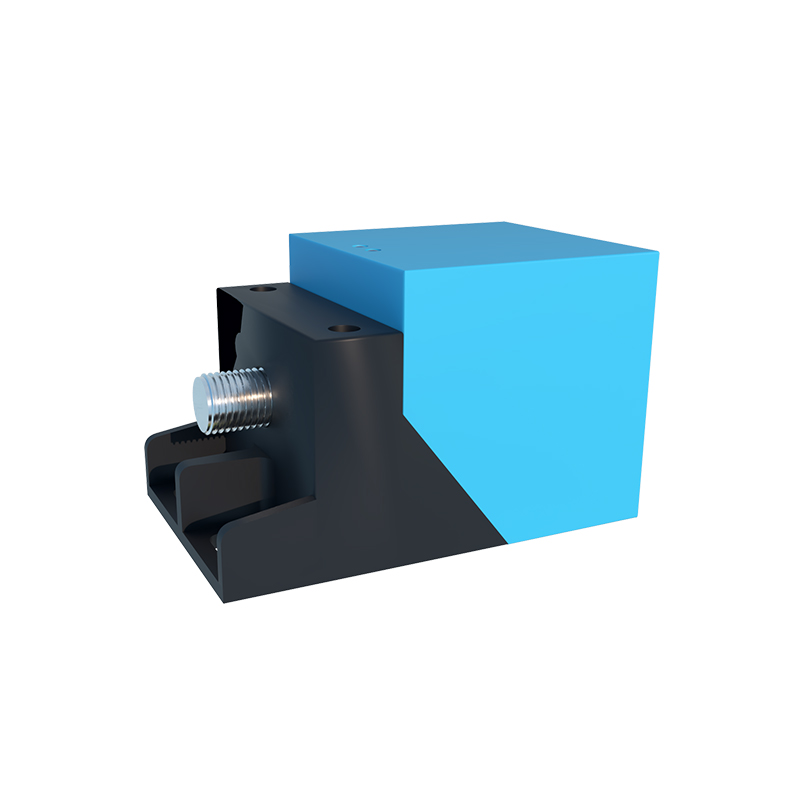
Common Types and Their Applications
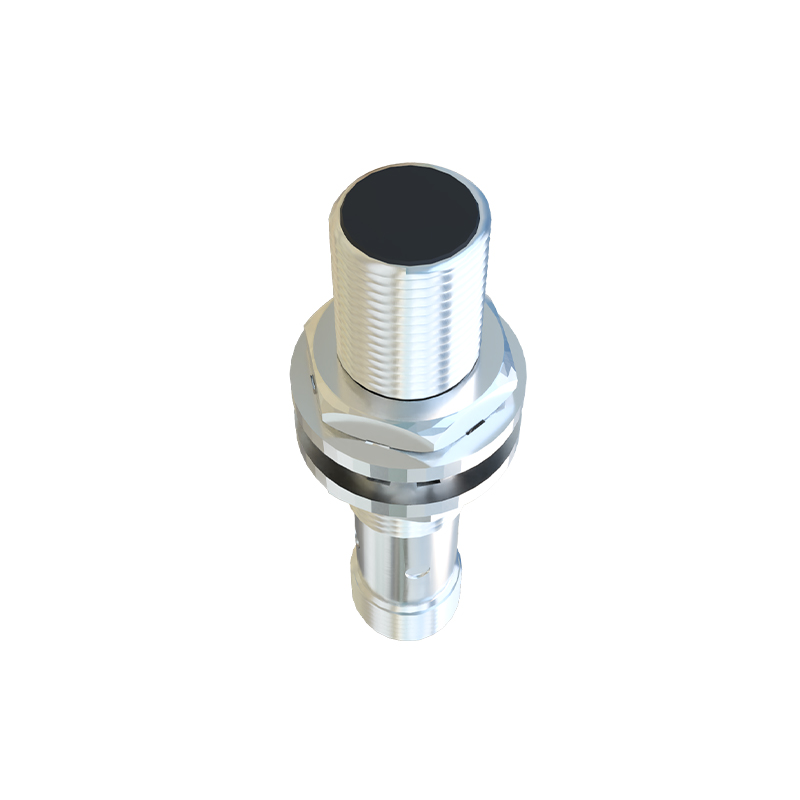
Various proximity sensor types cater to diverse industrial needs. Inductive sensors are prevalent in automotive and metalworking for detecting engine parts or conveyor items, offering high precision in dirty settings. Capacitive sensors excel in food processing or packaging, sensing materials like glass or liquids through containers. Photoelectric sensors, including diffuse, retro-reflective, and through-beam variants, are used in logistics for object counting or in safety systems for presence detection. Ultrasonic sensors, which use sound waves, handle complex environments like liquid level monitoring. In consumer electronics, infrared proximity sensors adjust screen brightness in smartphones. Each type's unique attributes—such as range, sensitivity, and immunity to interference—dictate its application, driving innovation in automation and smart technology.
Advantages Over Mechanical Switches
Proximity sensors offer significant benefits compared to traditional mechanical switches, leading to their widespread adoption. Since they operate without physical contact, they eliminate wear and tear, resulting in longer lifespan and reduced maintenance costs. Their non-contact nature also allows for high-speed detection, enabling faster machine cycles and improved productivity in assembly lines. They are less susceptible to environmental factors like dust, moisture, or corrosion, ensuring reliable performance in challenging conditions. Additionally, their solid-state design provides silent operation and resistance to vibration, making them ideal for precision applications. By minimizing downtime and enhancing accuracy, these sensors contribute to cost savings and operational efficiency in industrial settings.
Installation and Calibration Tips
Proper installation and calibration are crucial for optimal sensor performance. Engineers should mount sensors securely to avoid misalignment, ensuring the sensing face is parallel to the target and free from obstructions. It's essential to consider the sensing distance, typically specified as the nominal range, and account for factors like temperature fluctuations or material variations that might affect detection. Calibration involves adjusting sensitivity settings to prevent false triggers from background interference; for example, capacitive sensors may need tuning to ignore non-target materials. Regular testing with actual objects under operating conditions helps verify reliability. Following manufacturer guidelines for wiring, power supply, and environmental protection (e.g., using shielded cables in noisy areas) ensures long-term stability and accuracy.
Future Trends and Innovations
The future of proximity sensors is shaped by advancements in miniaturization, connectivity, and intelligence. Emerging trends include the integration of IoT capabilities, allowing sensors to transmit data wirelessly for real-time monitoring and predictive maintenance in smart factories. Enhanced materials and designs are improving sensitivity and range, while energy-efficient versions support battery-powered devices in IoT networks. Artificial intelligence is being incorporated to enable adaptive sensing, where sensors learn from environmental patterns to reduce errors. Additionally, the rise of Industry 4.0 drives demand for sensors with higher precision and interoperability, facilitating seamless automation. As technology evolves, proximity sensors will become more versatile, playing a key role in autonomous systems, robotics, and sustainable industrial solutions.