Introduction to Photoelectric Sensors in Industrial Applications
Photoelectric sensors are widely utilized across various industries for their precision, reliability, and non-contact detection capabilities. These sensors operate by emitting a light beam—typically infrared, visible, or laser—and detecting changes in the received light due to the presence, absence, or characteristics of an object. Common types include through-beam, retro-reflective, and diffuse reflective sensors, each suited for specific environmental and operational conditions. In industrial settings, they are employed for tasks such as object counting, level detection, and position sensing, offering advantages like high speed, long sensing ranges, and minimal maintenance. Their adaptability makes them a cornerstone in automation, particularly in sectors requiring hygienic, efficient, and accurate monitoring.
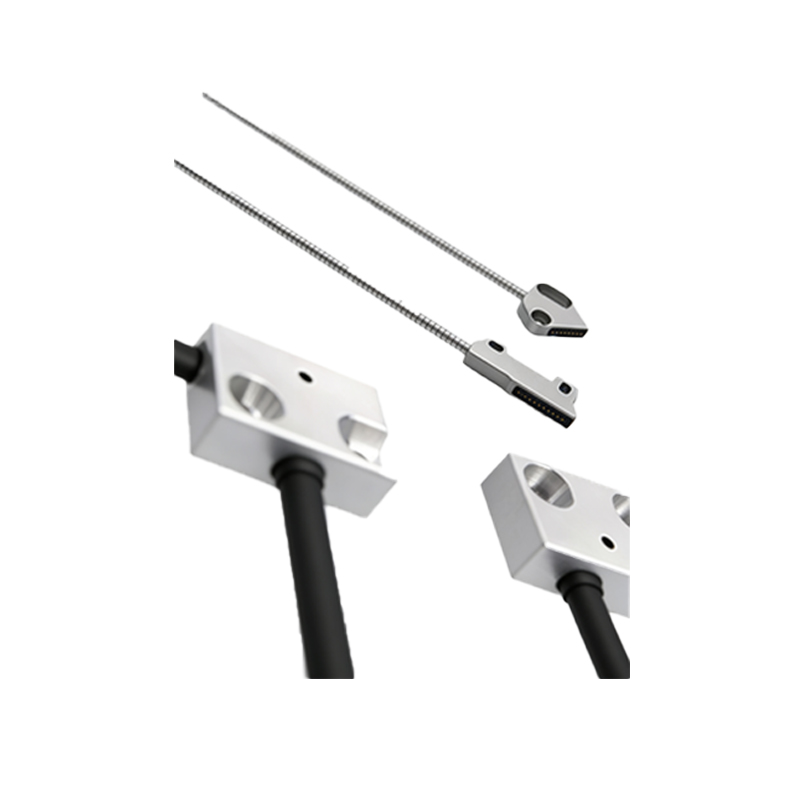
Challenges in Feed Industry Environments
The feed industry presents unique challenges that can impact the performance of sensing technologies. Feed materials, including grains, pellets, and powders, often generate dust, moisture, and varying particle sizes, which may interfere with sensor operation. Dust accumulation on lens surfaces can attenuate light beams, leading to false readings or reduced sensitivity. Additionally, feed processing environments may involve vibrations, temperature fluctuations, and exposure to organic residues, necessitating robust and sealed sensor designs. Hygienic standards are also critical, as sensors must withstand cleaning processes without corrosion or damage. These factors require careful selection of sensor types and configurations to ensure reliable detection in feed applications.
Suitability of Photoelectric Sensors for Feed Detection
Photoelectric sensors can be effectively used in feed applications when appropriately selected and installed. For instance, through-beam sensors are ideal for detecting large objects or monitoring fill levels in silos and hoppers, as they offer long ranges and high immunity to environmental interferences. In dusty conditions, sensors with polarized filters or high-intensity beams can penetrate particulate matter to maintain accuracy. For granular or powdered feed, diffuse reflective sensors with background suppression capabilities can distinguish materials from surrounding surfaces, preventing false triggers. Moreover, sensors with IP67 or higher ratings provide protection against dust and moisture, ensuring durability in harsh feed mill environments. Case studies in feed production lines show that photoelectric sensors enhance efficiency by automating inventory management and preventing overflows or blockages.
Key Considerations for Implementation
Implementing photoelectric sensors in feed applications requires attention to several technical aspects. First, sensor placement is crucial; mounting positions should minimize direct exposure to dust streams or mechanical impacts. Regular maintenance, such as lens cleaning, helps sustain optimal performance. Second, selecting the correct light source—infrared for reduced ambient light interference or laser for precise detection—can improve reliability. Third, integrating sensors with control systems, like PLCs, enables real-time monitoring and alerts for feed level changes or equipment jams. Cost-benefit analysis often favors photoelectric sensors due to their long lifespan and reduced manual intervention, though initial investment in high-quality, industry-grade models is recommended to avoid frequent replacements.
Comparison with Alternative Sensing Technologies
While photoelectric sensors are viable, other technologies like capacitive, ultrasonic, and radar sensors are also used in the feed industry. Capacitive sensors detect materials based on dielectric changes but may struggle with non-uniform feed compositions. Ultrasonic sensors use sound waves and are effective for bulk solids, yet they can be affected by temperature and dust absorption. Radar sensors offer high accuracy in level measurement but at a higher cost. Photoelectric sensors generally provide faster response times and better resolution for small object detection, making them suitable for conveyor belt monitoring or packaging lines. However, in extremely dusty or humid conditions, a combination of sensors might be optimal to ensure redundancy and accuracy.
Future Trends and Innovations
Advancements in photoelectric sensor technology are poised to enhance their applicability in the feed industry. Innovations include smart sensors with IoT connectivity, allowing remote diagnostics and predictive maintenance via data analytics. Enhanced materials, such as anti-fogging coatings and self-cleaning mechanisms, can reduce downtime in dusty environments. Additionally, miniaturized sensors enable integration into compact feed processing equipment. As the industry moves toward greater automation and sustainability, photoelectric sensors will likely play a key role in optimizing resource use and reducing waste. Research into adaptive algorithms that compensate for environmental variables could further improve reliability, making these sensors a staple in modern feed operations.
Conclusion and Recommendations
In summary, photoelectric sensors are a feasible and efficient choice for feed applications when selected with care. Their non-contact nature, precision, and versatility address many challenges in feed handling and processing. To maximize benefits, engineers should assess environmental conditions, choose sensors with appropriate ratings and features, and implement regular maintenance schedules. Collaborating with suppliers for customized solutions can also enhance performance. As technology evolves, photoelectric sensors are expected to become even more integral to the feed industry, driving automation and operational excellence. By leveraging these tools, feed producers can achieve higher productivity, safety, and quality control in their facilities.