Introduction to Proximity Sensing and Conversion
In the realm of industrial automation, proximity sensors serve as the fundamental eyes of machinery, detecting the presence or absence of objects without physical contact. These sensors, including inductive, capacitive, ultrasonic, and photoelectric types, generate raw electrical signals. The proximity sensor converter is the critical intermediary that conditions, interprets, and transforms these raw signals into standardized, usable data for programmable logic controllers (PLCs), distributed control systems (DCS), and other higher-level control units. As factories evolve into smarter, more interconnected ecosystems, the role of massive-scale converter systems becomes paramount, handling thousands of sensor inputs simultaneously to orchestrate complex manufacturing processes with precision and reliability.
Core Architecture of Large-Scale Converter Systems
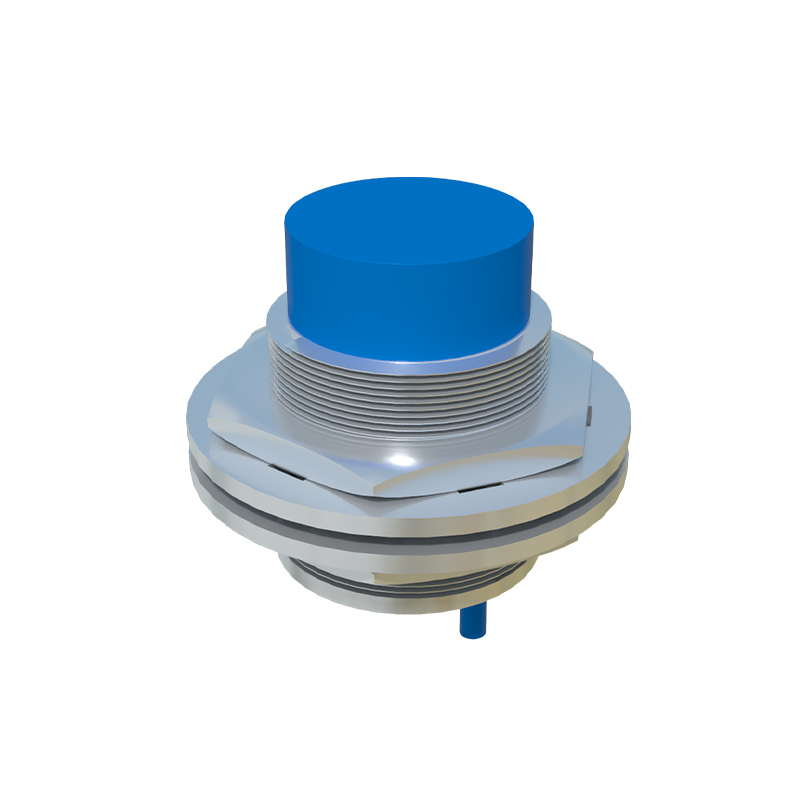
Designing a converter system for massive deployments requires a robust, scalable architecture. Modern systems typically employ a modular, distributed I/O (Input/Output) framework. Individual converter modules, often rack-mounted, handle clusters of sensors—for instance, 8, 16, or 32 channels per module. These modules perform essential functions: signal amplification, noise filtering, analog-to-digital conversion (ADC), and signal isolation to protect sensitive control electronics from high-voltage transients on the factory floor. A backbone communication network, utilizing industrial protocols like PROFINET, EtherNet/IP, or IO-Link, aggregates data from hundreds of these modules. This architecture ensures low-latency data transmission, centralized configuration, and simplified maintenance, allowing engineers to monitor the health and status of every connected sensor from a single engineering workstation.
Signal Integrity and Noise Immunity Challenges
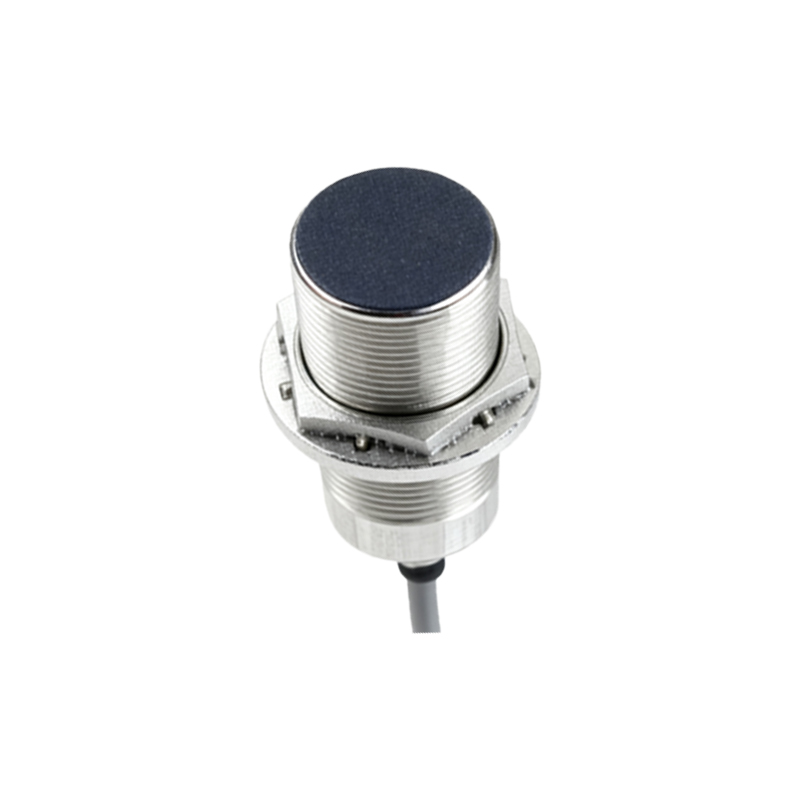
Industrial environments are electrically hostile, rife with electromagnetic interference (EMI) from motor drives, welding equipment, and radio frequency sources. For a converter managing thousands of sensor lines, maintaining signal integrity is a non-negotiable engineering challenge. High-quality converters implement multi-layered defense strategies. This includes galvanic isolation using optocouplers or magnetic isolation on each channel, sophisticated differential signal processing to reject common-mode noise, and robust shielding of cables and enclosures. Advanced digital filtering algorithms within the converter's firmware can further distinguish true sensor signals from environmental noise, drastically reducing false triggers and ensuring system stability even in the most demanding applications like automotive assembly lines or metal stamping plants.
The Integration of Smart Diagnostics and IO-Link
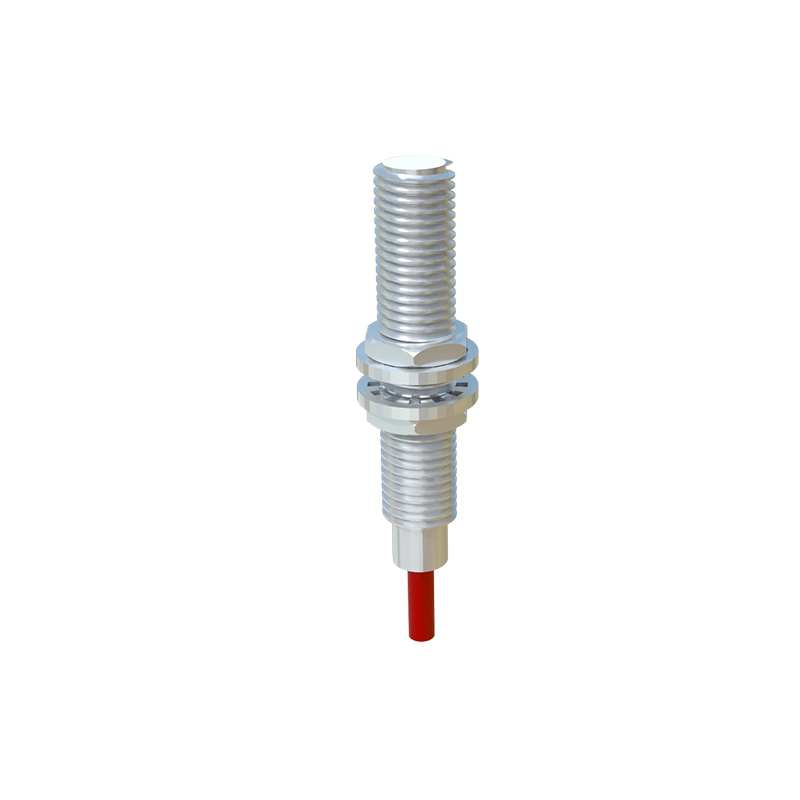
The shift towards Industry 4.0 has transformed the simple converter into an intelligent data hub. The adoption of the IO-Link communication standard is pivotal in this transformation. An IO-Link capable converter does more than transmit a simple ON/OFF signal; it establishes a point-to-point digital communication channel with each smart sensor. This enables the converter to receive rich parametric data: sensor health metrics, operating temperature, signal strength, and configuration parameters. In a massive system, this diagnostic data is invaluable for predictive maintenance. Engineers can preemptively identify a sensor nearing failure or detect misalignment in a photoelectric sensor, scheduling maintenance during planned downtime rather than reacting to a catastrophic line stoppage, thereby maximizing overall equipment effectiveness (OEE).
Power Management and Network Considerations
Deploying thousands of sensors and their converters presents a significant power distribution challenge. Modern systems increasingly leverage the concept of "bus-powered" devices, where both data and power are delivered over a single cable, such as with Ethernet-APL (Advanced Physical Layer) or specific IO-Link implementations. This simplifies wiring, reduces installation costs, and enhances safety. Furthermore, network topology and bandwidth are critical considerations. A star topology with managed industrial Ethernet switches is common, providing deterministic data delivery and allowing for network segmentation. Quality of Service (QoS) settings prioritize critical sensor data packets over non-critical traffic, ensuring that a proximity event on a high-speed robotic pick-and-place unit is communicated without delay, maintaining synchronized operation across the entire production cell.
Application in Robotics and Flexible Manufacturing
In advanced robotics and flexible manufacturing systems (FMS), massive arrays of proximity sensors and their converters provide the spatial awareness necessary for safe and efficient operation. Collaborative robot (cobot) workcells, for example, utilize a dense network of safety-rated laser scanners and area sensors, all feeding into safety-rated converters that are part of a safety PLC system. These converters must meet stringent safety integrity levels (SIL 2/3 or PL d/e). Beyond safety, in flexible assembly lines where product variants change frequently, converters with remote configuration capabilities allow engineers to quickly reprogram sensor parameters—like detection range or output timing—via software, enabling rapid line changeovers and supporting mass customization without manual hardware adjustments.
Future Trends: Edge Computing and AI Integration
The next frontier for massive proximity sensor systems lies at the convergence