Understanding Proximity Sensor Types and Price Ranges
The cost of a proximity sensor is not a single figure but a spectrum heavily influenced by its underlying technology. Inductive sensors, designed to detect metallic objects, are often the most economical entry point. Basic tubular models can start as low as $15 to $30 USD per unit for standard sensing ranges and outputs. Moving up, capacitive sensors, capable of detecting both metallic and non-metallic materials like liquids or plastics, typically carry a 20-40% premium over comparable inductive models, with prices often ranging from $25 to $60. Ultrasonic sensors, offering longer ranges and material-independent detection, see prices beginning around $50 and can exceed $200 for high-precision or long-range variants. Finally, photoelectric sensors, with their versatile sensing modes (through-beam, retro-reflective, diffuse), present a broad range from $30 for simple diffuse models to well over $300 for specialized, long-distance, or high-immune versions.
Key Factors That Drive the Final Price
Beyond the core technology, several engineering specifications directly impact cost. Sensing range is a primary driver; a sensor with a 2mm range is significantly cheaper than one rated for 30mm. The housing material also matters: standard plastic or nickel-plated brass housings are cost-effective, while stainless steel housings for harsh environments (washdown, chemicals) increase the price. Output configuration (PNP vs. NPN, NO vs. NC) has a minor effect, but analog outputs or IO-Link digital communication add considerable cost for the added functionality. Environmental ratings are critical; an IP67-rated sensor costs more than an IP65 model, and sensors certified for explosion-proof (ATEX, IECEx) applications can be two to three times the price of a standard industrial unit. Brand reputation and associated reliability, support, and lead times also play a significant role in pricing.
Volume Purchasing and Supplier Channels
Unit price is highly sensitive to order quantity. Purchasing a single sensor from a distributor's stock will incur the highest per-unit cost. For prototype or small project needs, expect to pay list price or a small discount. For production volumes, direct purchasing agreements with manufacturers or authorized distributors typically yield discounts of 15% to 40%. Annual volume commitments can drive prices down further. The supplier channel itself influences cost. Buying from a global manufacturer's direct sales team may offer technical advantages but not always the lowest price. Large industrial distributors (e.g., Allied Electronics, Digi-Key, RS Components) offer competitive online pricing for small quantities, while local specialized distributors may provide better bundled service and support for larger projects.
Cost Comparison: Standard vs. Specialized Models
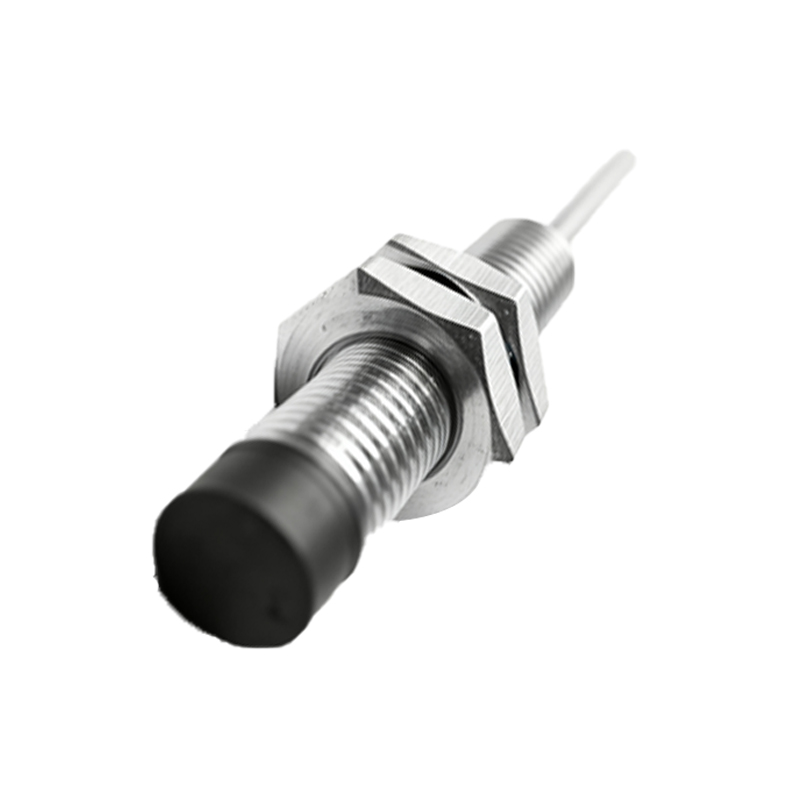
It is crucial to distinguish between standard, catalog sensors and specialized designs. A standard M12 or M18 tubular inductive sensor with a 5-10mm range, PNP output, and IP67 rating represents the industry workhorse and is priced very competitively due to mass production, often between $20 and $50. In contrast, specialized models command premium prices. These include sensors with extreme temperature tolerance (-40°C to 100°C+), very high switching frequencies (>5 kHz), miniature housings (e.g., M5, M8), or those designed for specific applications like weld-field immunity (resistant to electromagnetic interference from welding equipment). Such specialized sensors can easily cost between $75 and $300 each, reflecting their niche engineering and materials.
Total Cost of Ownership Considerations
For professional engineering applications, the initial purchase price is only one component of the total cost of ownership (TCO). A slightly more expensive sensor from a reputable brand may offer far greater mean time between failures (MTBF), reducing downtime and replacement costs. Factors contributing to TCO include ease of installation (pre-wired connectors vs. bare leads), diagnostic capabilities (like built-in LED indicators or IO-Link for predictive maintenance), and environmental robustness that prevents premature failure. Investing in a sensor with the correct specification for the application, even at a higher upfront cost, almost always results in lower long-term operational and maintenance expenses.
Current Market Trends and Price Outlook
The global sensor market experiences pricing pressures from both sides. On one hand, increased adoption of industrial automation and IIoT drives demand, potentially stabilizing prices. On the other hand, competitive pressure, especially from manufacturers offering reliable low-cost alternatives, pushes prices down for standard models. The integration of smart features like IO-Link is becoming more common, and while these "smart sensors" carry a premium today, their price is gradually decreasing as the technology standardizes. Supply chain stability also affects price and availability; while less volatile than