Introduction to Photoelectric Sensing Technology
Photoelectric sensors are indispensable components in modern industrial automation, offering non-contact detection of objects based on the modulation of light. These devices operate by emitting a beam of light, typically from an LED or laser diode, and detecting changes in the received light intensity caused by the presence, absence, or specific characteristics of a target object. The core principle relies on the interaction between light and the target, which can involve reflection, interruption, or retro-reflection. This technology provides significant advantages over mechanical limit switches or proximity sensors, including higher sensing distances, faster response times, and the ability to detect a wider variety of materials regardless of color, texture, or surface finish. The reliability and versatility of photoelectric sensors make them a cornerstone for tasks ranging from simple object detection to complex positioning and quality control in demanding factory environments.
Core Operating Modes and Their Functions
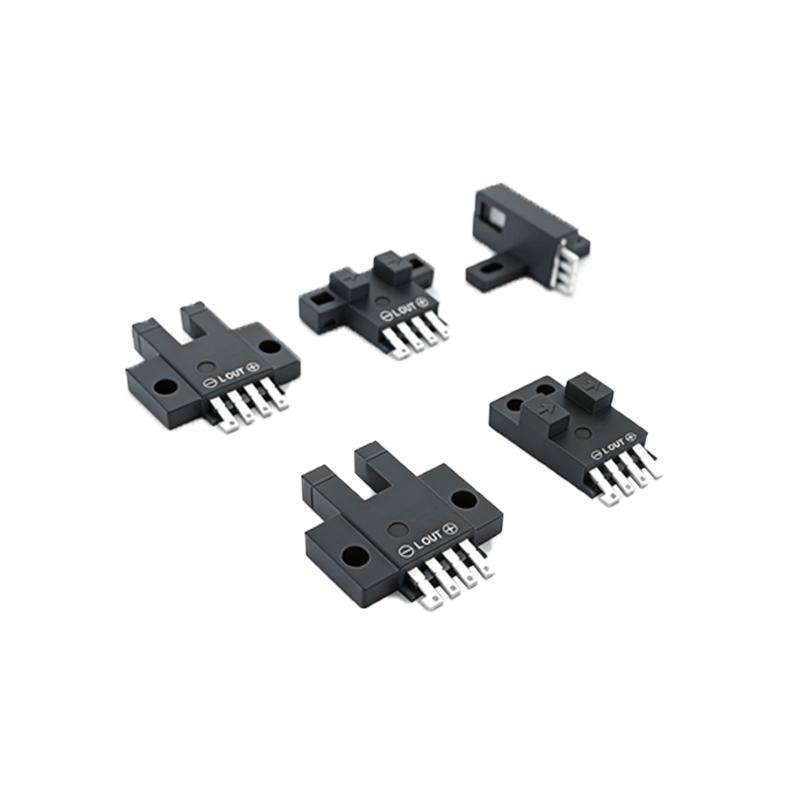
Photoelectric sensors are primarily categorized into three fundamental operating modes, each suited for specific application challenges. The first is the through-beam (or opposed) mode, which consists of separate, aligned emitter and receiver units. An object is detected when it breaks the light beam between them. This mode offers the longest sensing range and highest reliability, as it is largely immune to target color, reflectivity, or surface angle. It is ideal for precise detection of small objects or in environments with potential background interference. The second mode is retro-reflective, where the emitter and receiver are housed in a single unit, and a specialized reflector bounces the light beam back. Detection occurs when an object interrupts this reflected beam. This mode provides a good balance of range and ease of installation. The third, and most versatile, is the diffuse (or proximity) mode. Here, the sensor uses the target object itself to reflect light back to the receiver. Detection is based on the intensity of the reflected light. While sensing distance is shorter and can be influenced by target color and texture, this mode allows for one-sided installation, simplifying setup for countless applications like detecting objects on a conveyor.
Key Applications in Industrial Automation
The applications for photoelectric sensors span virtually every sector of manufacturing and logistics. On packaging lines, they are crucial for detecting the presence of bottles, cans, or boxes to control filling, capping, and labeling machinery. They ensure precise counting and prevent jams. In material handling, sensors monitor the position of pallets on conveyors, control the stacking height in automated storage systems, and verify the passage of items through sorting gates. Within the automotive industry, photoelectric sensors are used for robot guidance, part verification on assembly lines, and ensuring correct door or panel alignment. Furthermore, specialized versions with background suppression or fixed-field technology are employed for precise edge detection on webs of material, controlling tension in printing or converting processes. Their ability to function in harsh conditions—resistant to dust, washdowns, and temperature extremes—makes them equally vital in food & beverage and pharmaceutical production.
Advanced Features and Specialized Product Types
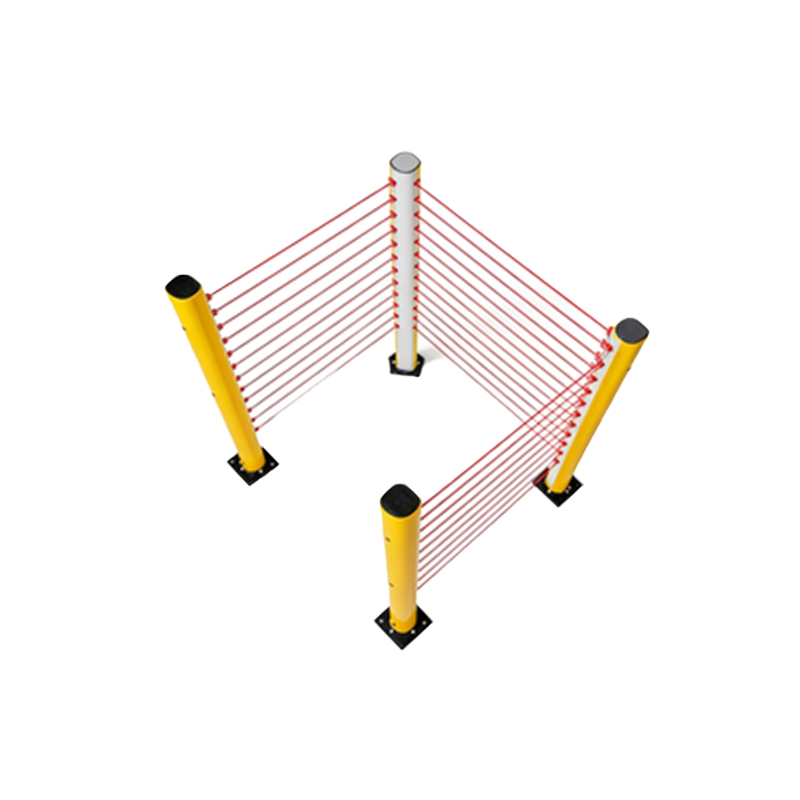
Modern photoelectric sensors incorporate advanced features that solve complex sensing problems. Background suppression sensors use triangulation to detect objects only within a precise, defined distance, ignoring reflective surfaces beyond the set point—perfect for detecting objects on a conveyor regardless of the color of the belt or background. Fiber optic sensors represent a specialized product type where the sensing element is a flexible fiber optic cable connected to an amplifier. This allows detection in extremely tight spaces, high-temperature zones, or areas with high electromagnetic interference. Laser sensors provide a highly focused, visible beam for ultra-precise positioning and detection of minute objects. Color sensors differentiate between colors or shades, essential for quality control and sorting applications. Furthermore, many contemporary sensors feature IO-Link communication, enabling digital parameter setting, remote diagnostics, and condition monitoring, paving the way for Industry 4.0 predictive maintenance strategies.
Selecting the Right Photoelectric Sensor
Choosing the optimal photoelectric sensor requires a careful analysis of the application parameters. The primary considerations include the required sensing distance, the size and material properties of the target object, the required response speed, and the environmental conditions. For long-range detection of opaque objects, a through-beam sensor is typically the best choice. For detecting transparent films or liquids, a polarized retro-reflective sensor may be necessary to avoid false triggers. Diffuse sensors with background suppression are ideal for detecting objects at a consistent height on a variable background. The housing material is also critical; stainless steel or specialized plastic housings with high IP ratings (e.g., IP67, IP69K) are necessary for washdown or outdoor applications. Finally, the electrical output type (PNP/NPN, analog, or IO-Link) must be compatible with the existing control system, such as a PLC. Consulting detailed datasheets and application guides from reputable manufacturers is essential for a successful implementation.