Understanding Square Proximity Sensors
Square proximity sensors are a specialized category of non-contact detection devices widely used in industrial automation. Their distinct rectangular or square housing offers advantages in mounting and sensing in confined spaces where cylindrical sensors might not fit optimally. These sensors operate on various principles, primarily inductive, capacitive, and photoelectric, with inductive being the most common for metal detection. The square form factor allows for a larger sensing face in a compact package, often enabling longer sensing ranges compared to cylindrical counterparts of similar volume. Their flat sides facilitate easy installation against machine frames, conveyors, or within assembly jigs, providing a sleek and integrated look. Engineers favor them for applications requiring a robust, space-efficient solution that can withstand harsh industrial environments, including exposure to coolants, metal chips, and vibrations.
Key Selection Criteria for Engineers
Selecting the right square proximity sensor requires a detailed analysis of the application's technical demands. The first criterion is the sensing principle. Inductive square sensors are the go-to for detecting ferrous and non-ferrous metals. Capacitive types can detect a wider range of materials, including liquids, plastics, and wood, making them versatile for packaging or material handling. The sensing distance, a critical parameter, must be chosen with a safety margin to account for target variations and mechanical tolerances. Environmental factors are paramount; an IP67 or IP69K rating is often necessary for washdown areas in food and beverage or pharmaceutical plants. The housing material, typically nickel-plated brass or stainless steel, must resist corrosion. Output configuration (PNP/NPN, NO/NC) must match the PLC or control system input card. Finally, consider the electrical connection style—pre-wired cable, quick-disconnect, or M12 connector—based on maintenance and installation needs.
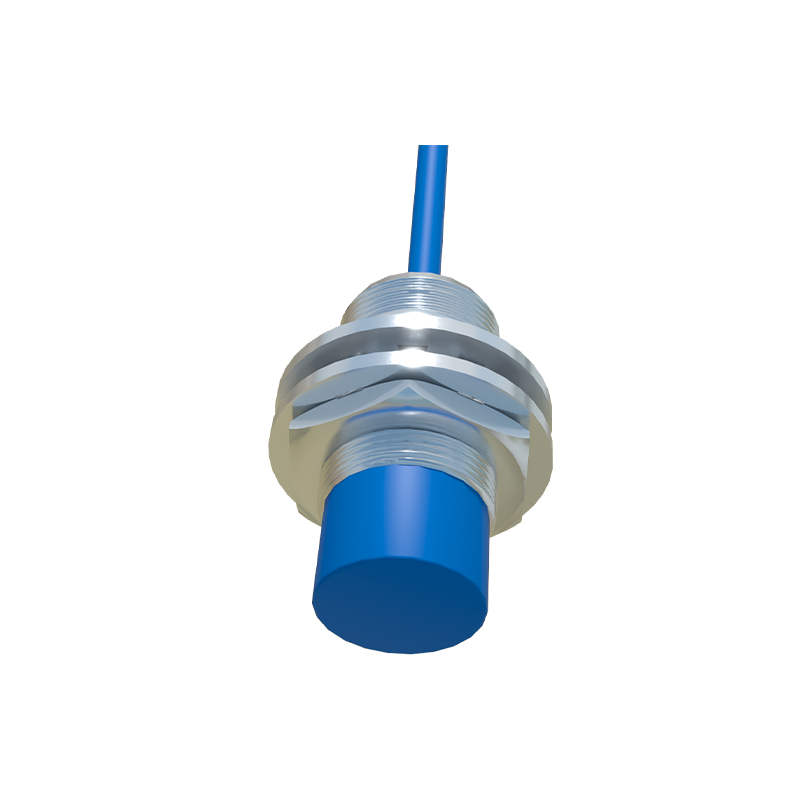
Top-Rated Inductive Square Proximity Sensors
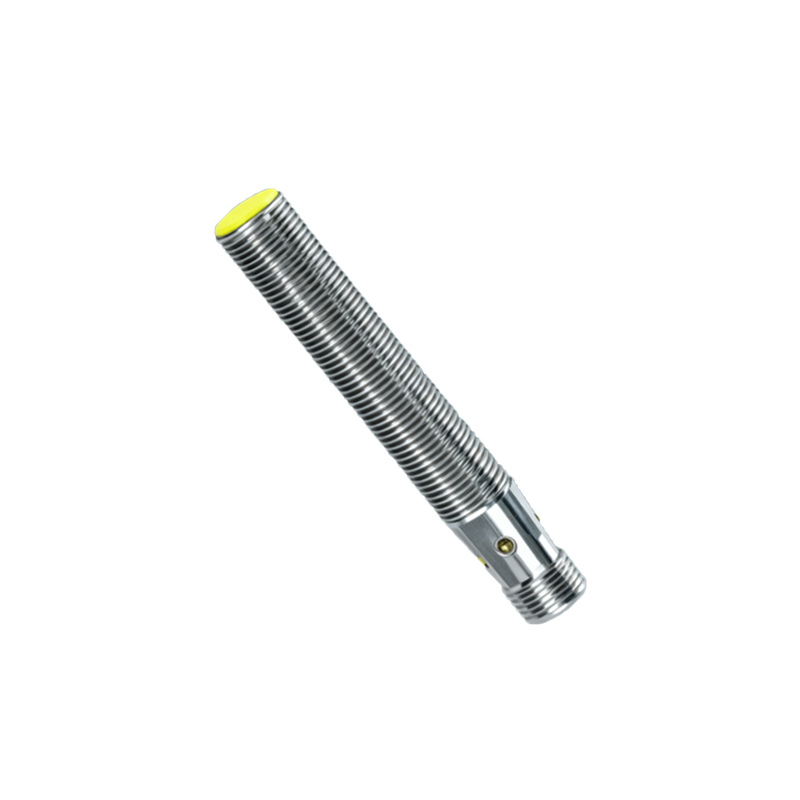
For metal detection tasks, several models stand out in the market. The Turck BI10-M30-AP6X-H1141 is a benchmark inductive square sensor known for its exceptional durability and extended sensing range. Its stainless steel housing and high IP69K rating make it ideal for aggressive environments. Another excellent choice is the Pepperl+Fuchs NBN15-30GM50-E2, which offers reliable performance in standard duty applications with its flush-mountable design, allowing installation in metal without loss of sensing range. For cost-effective yet robust solutions, the Sick IME12-08BPSZC0S provides a compact design with a built-in LED for status indication, simplifying diagnostics. These sensors are renowned for their switching frequency accuracy, minimal temperature drift, and resistance to electromagnetic interference, ensuring consistent performance in high-speed counting or positioning applications on automated lines.
Excellent Capacitive Square Sensor Options
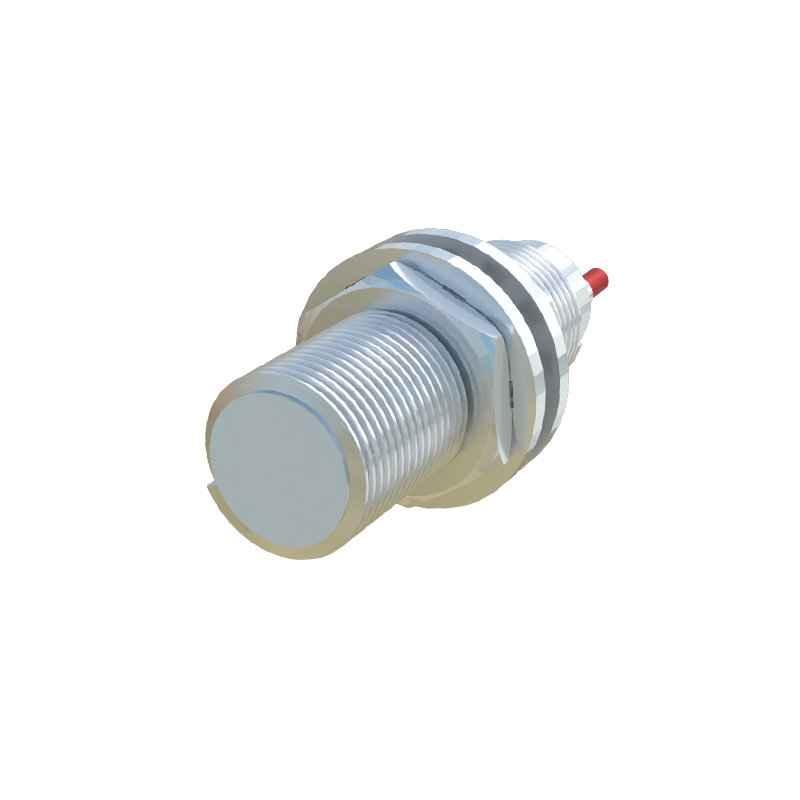
When the application involves non-metallic targets, capacitive square sensors are indispensable. The Balluff BCS0016 is a top performer, featuring a robust plastic housing and a potentiometer for sensitivity adjustment, allowing it to reliably detect materials like glass, liquid levels through containers, or granular plastics. The ifm electronic CQY40 model is another industry favorite, offering a large sensing range for its size and excellent temperature stability. Its square design with flat front face is perfect for detecting material presence on conveyor belts. For challenging conditions involving foam or uneven surfaces, the Sick CKS45 provides superior performance with its adaptive tuning capabilities. These sensors often include teach-in functions for easy setup, eliminating the need for manual sensitivity calibration with each target change.
Application-Specific Recommendations
In packaging machinery, square photoelectric or capacitive sensors are preferred for detecting cardboard boxes, plastic bottles, or foil seals. Their flat design allows for seamless integration into machine side panels. For machine tooling and CNC applications, inductive square sensors like the Turck or Pepperl+Fuchs models are used for tool breakage detection, pallet positioning, and door interlocking due to their immunity to coolant and chip contamination. In material handling and assembly, these sensors verify part presence, count items on a conveyor, or ensure correct positioning before a robotic pick. The square shape is particularly beneficial when building custom fixtures or guarding systems. For hygienic and washdown zones in food processing, sensors with polished stainless steel housings (e.g., models with EHEDG certification) and high IP ratings are non-negotiable to prevent bacterial growth and withstand high-pressure cleaning.
Installation and Maintenance Best Practices
Proper installation is critical to sensor longevity and accuracy. Always ensure the sensor is mounted securely to minimize vibration, which can cause false triggering. For inductive sensors, maintain the recommended lateral and axial distance from metal surroundings to prevent