Introduction to Through-Beam Sensors
Through-beam sensors, often referred to as photoelectric sensors, are widely used in industrial automation for object detection. These sensors consist of two separate units: an emitter and a receiver. The emitter projects a light beam, typically infrared or laser, toward the receiver. When an object interrupts this beam, the sensor triggers a signal, indicating the presence of the object. This design allows for long-range detection and high accuracy, making through-beam sensors ideal for applications such as conveyor systems, packaging machinery, and safety barriers. Unlike other sensor types, through-beam sensors do not rely on physical contact with the target, which minimizes wear and tear and ensures reliable operation in harsh environments.
Understanding Proximity Switches
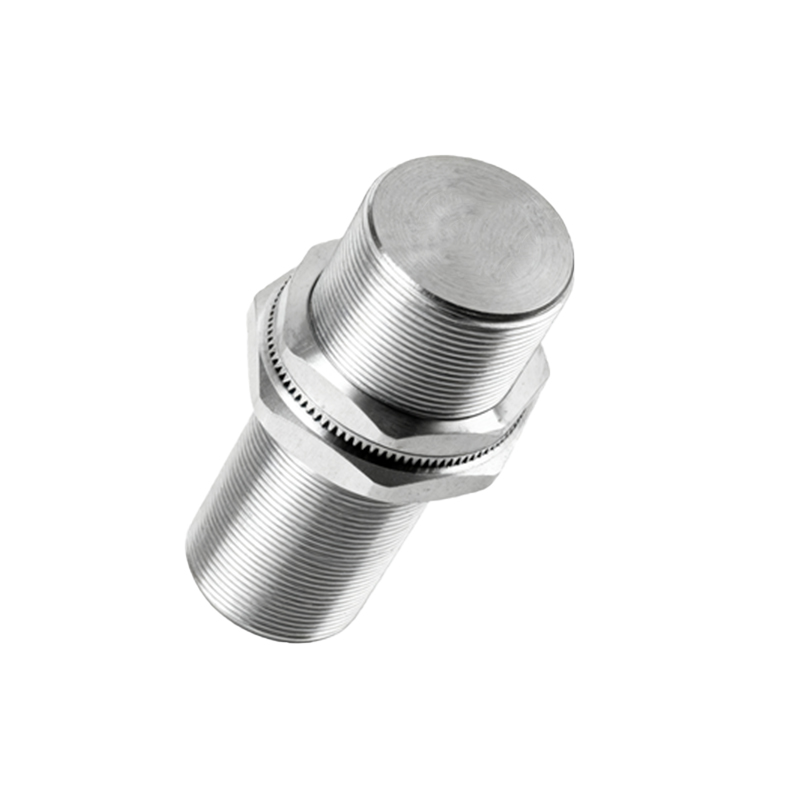
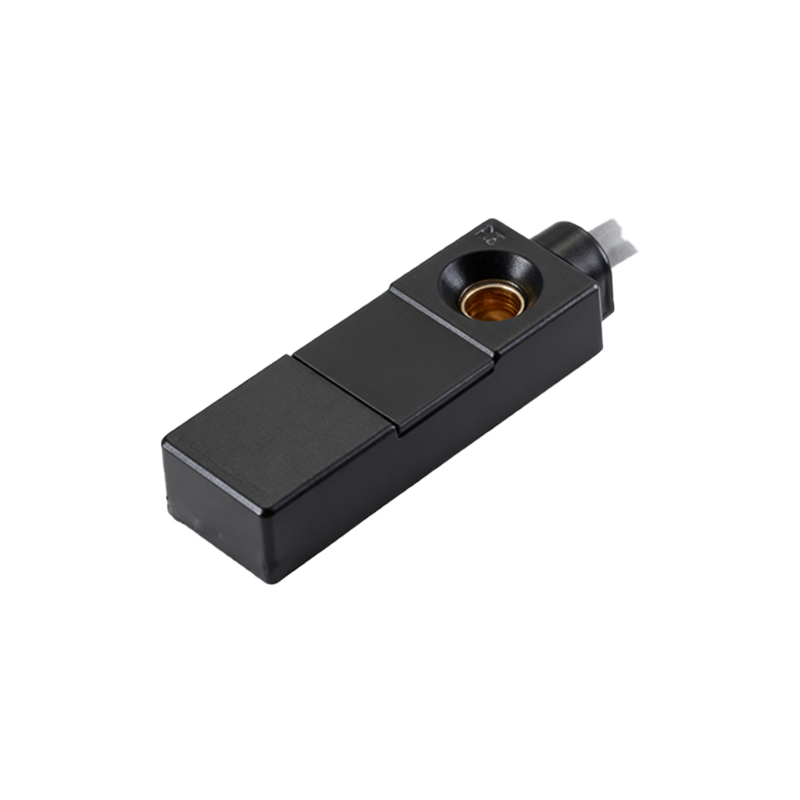
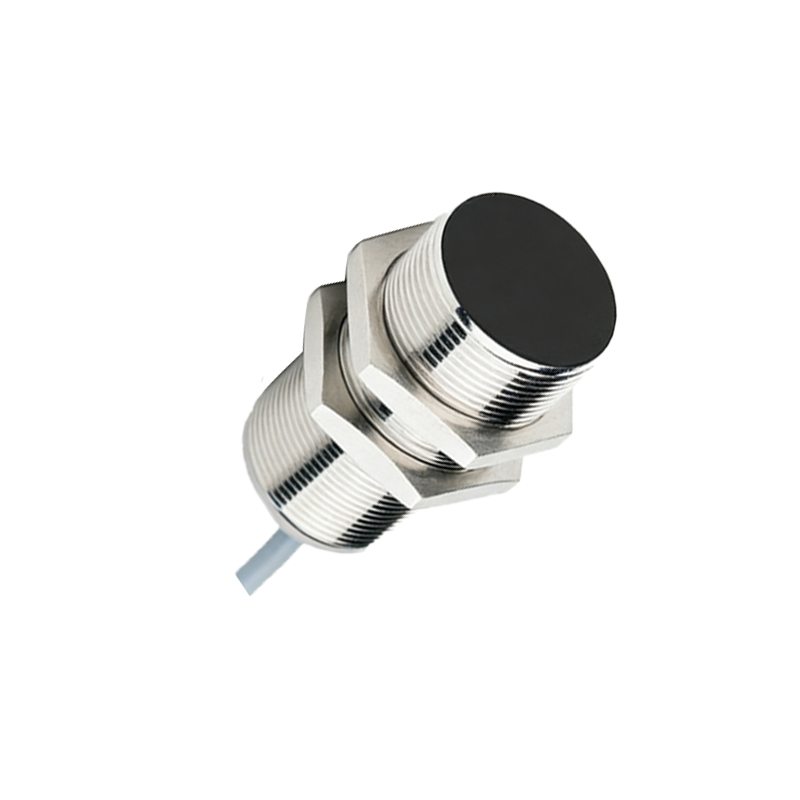
Proximity switches, also known as proximity sensors, are devices that detect the presence of nearby objects without any physical contact. They operate based on electromagnetic fields, capacitive effects, or inductive principles, depending on the type. For instance, inductive proximity switches detect metallic objects, while capacitive ones can sense non-metallic materials. Proximity switches are commonly used in manufacturing, robotics, and automotive industries for tasks like position sensing, limit switching, and object counting. Their key advantage is the ability to function in dirty or wet conditions, as they do not require direct interaction with the target. However, they typically have shorter detection ranges compared to through-beam sensors.
Key Differences Between Through-Beam Sensors and Proximity Switches
While both through-beam sensors and proximity switches are used for object detection, they differ significantly in operation and application. Through-beam sensors rely on a light beam between two units, offering long detection distances—often up to several meters—and high precision. They are suitable for detecting transparent or small objects, but alignment between emitter and receiver is critical. In contrast, proximity switches work by sensing changes in an electromagnetic field near the sensor head, with ranges usually limited to a few centimeters. They are better for detecting metallic or specific materials and are less affected by environmental factors like dust, as long as the object is within the sensing range. Thus, through-beam sensors are not called proximity switches; the terms refer to distinct technologies with unique functionalities.
Common Misconceptions in Terminology
In the electrical and automation industries, confusion sometimes arises between through-beam sensors and proximity switches due to overlapping applications. Some may loosely use "proximity switch" to describe any non-contact sensor, but this is technically incorrect. Through-beam sensors are a subset of photoelectric sensors, while proximity switches belong to a different category based on electromagnetic or capacitive sensing. This distinction is important for selecting the right equipment. For example, in a high-speed production line where objects need detection from a distance, a through-beam sensor is appropriate, whereas for close-range metal detection, a proximity switch is preferred. Clear terminology ensures proper implementation and avoids operational errors.
Applications and Selection Criteria
Choosing between through-beam sensors and proximity switches depends on specific industrial needs. Through-beam sensors excel in scenarios requiring long-range detection, such as in material handling systems, where they monitor item passage on conveyors. They are also used in safety applications to create light curtains that protect workers from machinery. Proximity switches, on the other hand, are ideal for short-range tasks like detecting the position of a machine part or counting objects on an assembly line. Factors to consider include detection range, target material, environmental conditions (e.g., dust, moisture), and required accuracy. By understanding these criteria, engineers can optimize system performance and reduce downtime.
Conclusion and Industry Insights
In summary, through-beam sensors are not called proximity switches; they represent different sensing technologies with distinct operational principles. Through-beam sensors use a light beam for detection over longer distances, while proximity switches rely on electromagnetic or capacitive effects for close-range sensing. This distinction is crucial in industrial settings to ensure correct sensor selection and efficient automation processes. As technology advances, both types continue to evolve, offering enhanced features like digital interfaces and improved durability. Engineers should stay informed about these developments to leverage the right tools for their applications, fostering innovation and reliability in electrical systems.