Introduction to Omron Photoelectric Sensors
Omron photoelectric sensors stand as a cornerstone in modern industrial automation, renowned for their exceptional precision, durability, and versatility. These devices operate on the fundamental principle of detecting the presence, absence, or distance of an object by using a light transmitter and receiver. Omron's extensive portfolio caters to a vast array of applications, from simple object detection on conveyor belts to complex positioning tasks in high-speed assembly lines. The company's commitment to innovation has led to sensors capable of overcoming challenging environmental conditions such as dust, steam, and background light interference, ensuring reliable operation where other sensors might fail. This reliability is a key reason why engineers and system integrators globally specify Omron sensors for critical automation tasks.
Core Technologies and Operating Principles
Omron photoelectric sensors utilize several core technologies, primarily differentiated by their sensing methods. The through-beam type, consisting of separate transmitter and receiver units, offers the longest sensing distance and highest reliability, ideal for precise detection. Retro-reflective sensors use a reflector to bounce the light beam back to the receiver housed in the same unit, simplifying installation. Diffuse-reflective sensors detect objects by receiving light reflected directly from the target itself, providing a compact, one-unit solution. Advanced models incorporate background suppression technology, which allows them to ignore objects beyond a set distance, and polarized filters to eliminate false triggers from shiny surfaces. Furthermore, Omron's proprietary sensing algorithms and robust housing designs ensure stable detection even with color variations, transparent materials, or in vibratory environments.
Key Features and Performance Advantages
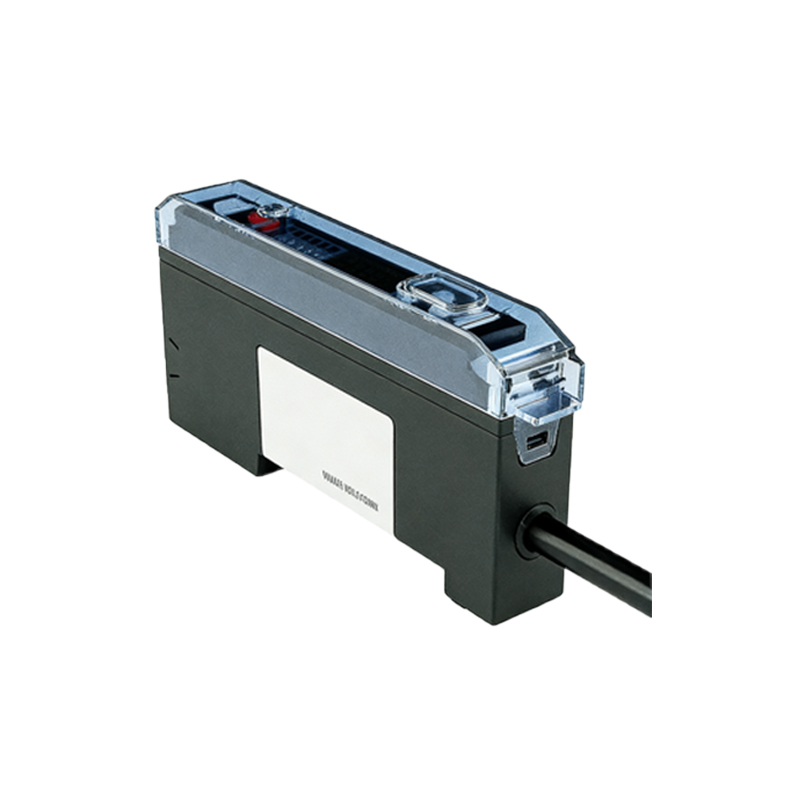
The performance advantages of Omron photoelectric sensors are manifold. They boast high-speed response times, often in the microsecond range, enabling synchronization with fast-moving machinery. Many models feature adjustable sensitivity, timer functions, and teach-in capabilities, allowing for quick and flexible setup without complex calibration tools. Durability is another hallmark; sensors are built with IP67, IP69K, or higher ingress protection ratings, making them resistant to water, oil, and chemical splashes. Omron also emphasizes energy efficiency in its designs, with models offering low power consumption without compromising on output power or sensing range. These features collectively minimize downtime, reduce maintenance costs, and enhance the overall efficiency of automated systems.
Application Spectrum in Various Industries
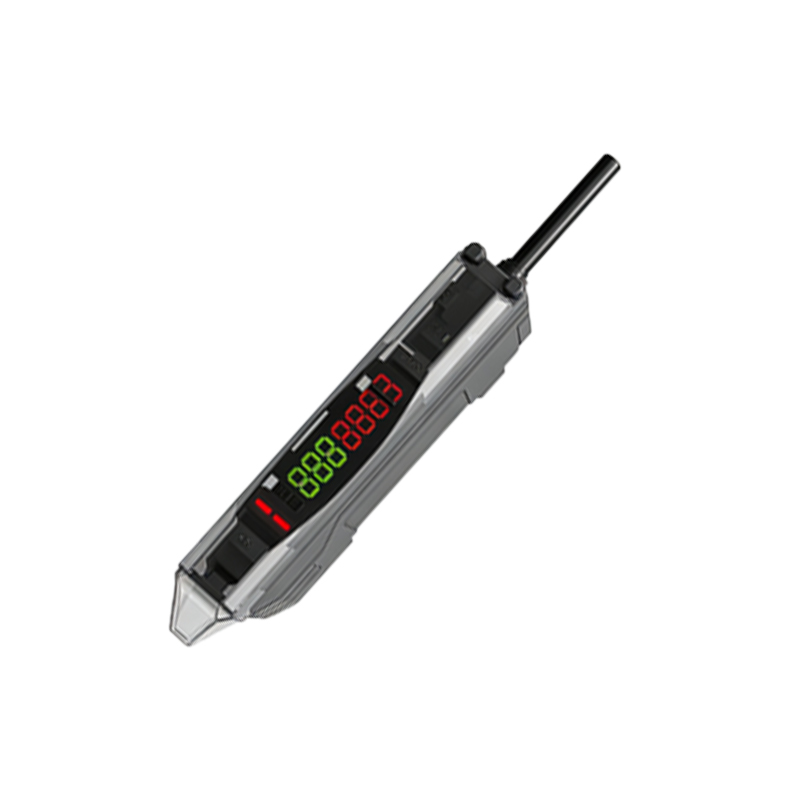
The application of Omron photoelectric sensors spans virtually every industrial sector. In packaging and material handling, they are indispensable for counting, positioning, and jam detection. The automotive industry relies on them for precise part verification and robot guidance. In food and beverage production, stainless-steel housed sensors with hygienic designs ensure compliance with strict sanitary standards while detecting bottles, cans, and labels. Electronics manufacturing utilizes ultra-miniature sensors for PCB board presence detection and component insertion verification. Furthermore, in logistics and warehousing, they facilitate automated sorting and inventory management. Omron provides specialized variants, including fiber optic units for extremely confined spaces and long-range sensors for large-scale applications.
Selection Criteria and Integration Tips
Selecting the right Omron photoelectric sensor requires careful consideration of several parameters. The primary factors include the required sensing distance, the size and material of the target object, the response speed needed, and the environmental conditions (ambient light, dust, temperature). Engineers must also decide on the output type (NPN/PNP, analog, or IO-Link) and housing shape to match the mechanical constraints. For successful integration, proper alignment is critical, especially for through-beam types. Shielding the sensor from intense ambient light and ensuring a stable power supply are essential best practices. Utilizing sensors with built-in indicators for beam alignment and stability status, a common feature in Omron products, greatly simplifies installation and troubleshooting.
Future Trends and Smart Sensor Evolution
The future of Omron photoelectric sensors is tightly integrated with the evolution of Industry 4.0 and the Industrial Internet of Things (IIoT). Modern sensors are increasingly equipped with IO-Link communication, a point-to-point serial protocol that enables the bidirectional exchange of detailed parameter data, process values, and diagnostic information. This transforms a simple sensor into a smart device that can report its health status, predict maintenance needs, and allow for remote configuration changes. Omron is at the forefront of this trend, developing sensors that seamlessly integrate with higher-level control systems and cloud platforms. This intelligence enables predictive maintenance, reduces unplanned downtime, and provides valuable data for optimizing entire production processes, paving the way for more adaptive and efficient smart factories.