Understanding Proximity Sensor Detection Ranges
Proximity sensors are fundamental components in industrial automation, designed to detect the presence or absence of an object without physical contact. A common and critical question in system design is: "How many millimeters can it detect?" The answer is not a single figure but a range dependent on sensor type, target material, and environmental conditions. Typically, standard industrial inductive proximity sensors offer detection distances from a few millimeters up to about 60 millimeters for larger models. Capacitive sensors might range from a few millimeters to around 25 mm. Ultrasonic and photoelectric sensors can achieve much longer ranges, from centimeters to meters, but for precise, short-range detection in metal machining or assembly, the sub-1mm to 30mm range is most prevalent. The rated operating distance, or "Sn," specified in datasheets, is the nominal value for a standard target. Real-world performance can vary, and factors like target size, temperature, and sensor mounting influence the effective sensing millimeter range.
Key Factors Influensing Detection Distance in Millimeters
Several technical parameters directly determine how many millimeters a sensor can reliably detect. First is the sensor's inherent technology. Inductive sensors detect ferrous and non-ferrous metals, with their range highly dependent on the target's material and size. A mild steel target will yield the rated distance, while stainless steel or aluminum may reduce it by a significant percentage, sometimes cutting the effective millimeter range by 30-50%. Second, the target size must meet or exceed the sensor's active face diameter to achieve the full Sn distance. A smaller target reduces the sensing range. Third, temperature fluctuations can cause drift in the sensing characteristics, potentially altering the detection point by several millimeters. Finally, mounting conditions, such as flush mounting versus non-flush mounting for inductive sensors, dramatically affect range. A non-flush mounted sensor may offer up to double the distance of a flush-mounted one.
Standard Ranges by Sensor Technology
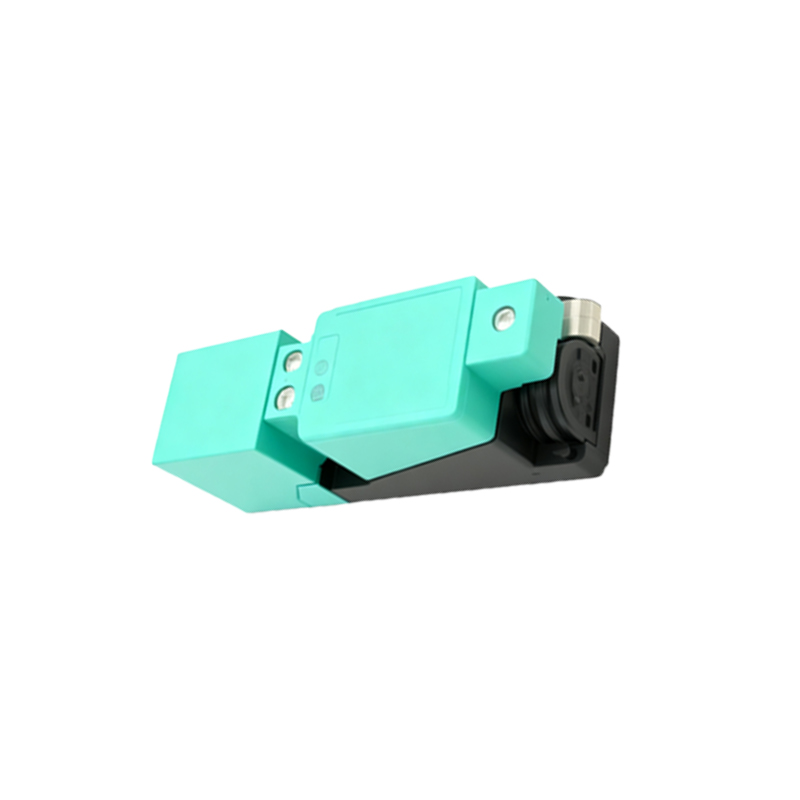
Breaking down by technology provides clearer millimeter expectations. Inductive Proximity Sensors are the workhorses for metal detection. Standard tubular models (e.g., M12, M18) typically have sensing ranges from 2mm to 15mm. Larger barrel sensors (M30) may reach 20-25mm. Specialized models with extended range can go up to 60mm. Capacitive Proximity Sensors detect both metallic and non-metallic materials like liquids or plastics. Their ranges are generally shorter, often from 3mm to 15mm for standard models, with some capable of 25mm. Magnetic Proximity Sensors (reed or Hall effect) used for detecting magnets have very short ranges, usually 1mm to 10mm, with precision applications demanding sub-millimeter accuracy. While not always classified as "proximity sensors" in the same family, Photoelectric Sensors (diffuse, retro-reflective) and Ultrasonic Sensors are used for non-contact detection and offer much longer ranges, from 20mm to several meters, but with different application profiles.
The Importance of Setup and Calibration for Accuracy
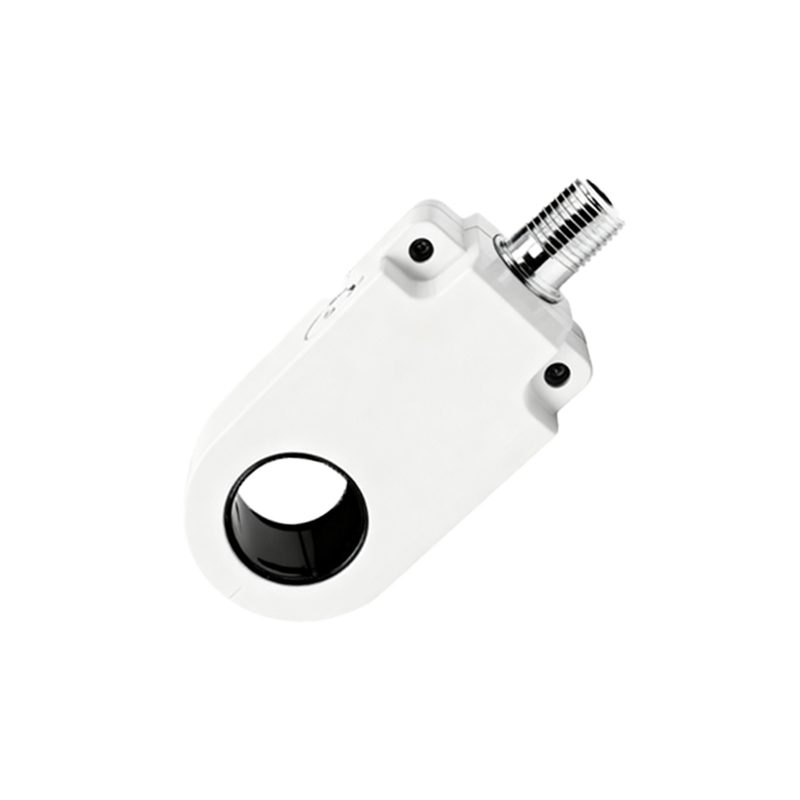
Achieving a consistent detection at a specific millimeter distance requires proper setup. Designers must never operate the sensor at its absolute maximum rated distance. Industry best practice is to use 70-80% of the rated Sn to ensure reliability against part tolerances, vibration, and drift. For example, if a 10mm sensor is needed, selecting a sensor with a 12-15mm rated range provides a safety margin. Calibration is also crucial, especially for analog output sensors providing distance-proportional signals. Fine-tuning the threshold or teaching the sensor the exact "present" and "absent" positions ensures the system triggers at the precise millimeter required. Environmental contaminants like dust, oil, or coolant can coat the sensor face, particularly for capacitive and optical types, attenuating the signal and effectively reducing the sensing range by millimeters over time, necessitating regular maintenance.
Selecting the Right Sensor for Your Millimeter Requirement
The selection process is a systematic match between application needs and sensor specifications. Start by defining the exact required detection distance in millimeters, the target material, size, and the required switching frequency. For detecting a metal gear tooth passing within 3mm, a high-frequency inductive sensor with a 4-5mm range is suitable. For detecting a glass bottle at 8mm, a capacitive sensor is necessary. Always consult the manufacturer's datasheet, which contains detailed graphs showing the reduction factor for different metals and the relationship between target size and sensing distance. Consider the housing style (tubular, rectangular) for mounting constraints. For critical applications where the exact millimeter is vital, such as in