Introduction to Photoelectric Sensing in Agriculture
The integration of photoelectric sensors into agricultural practices marks a significant leap toward precision farming and automated operations. These devices, which detect the presence, absence, or characteristics of objects using a light transmitter and receiver, are becoming indispensable tools on the modern farm. Unlike traditional methods reliant on manual observation, photoelectric sensors provide real-time, accurate data without physical contact. This capability is crucial in environments where hygiene, speed, and reliability are paramount. The agricultural sector, facing immense pressure to increase yield and optimize resources, is increasingly turning to such automation technologies to achieve these goals sustainably and efficiently.
Core Principles and Types Applicable to Farming
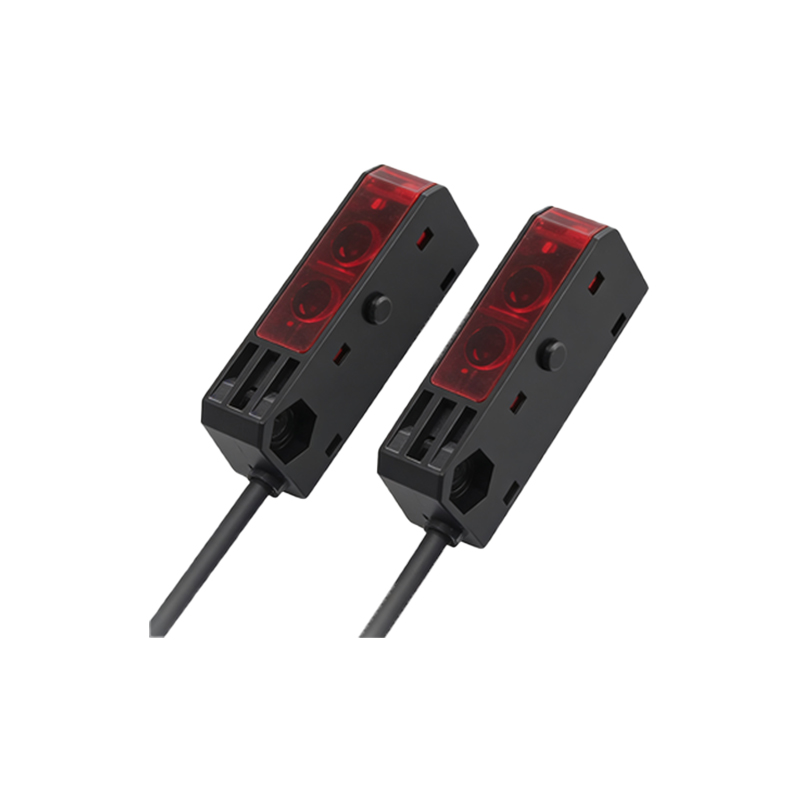
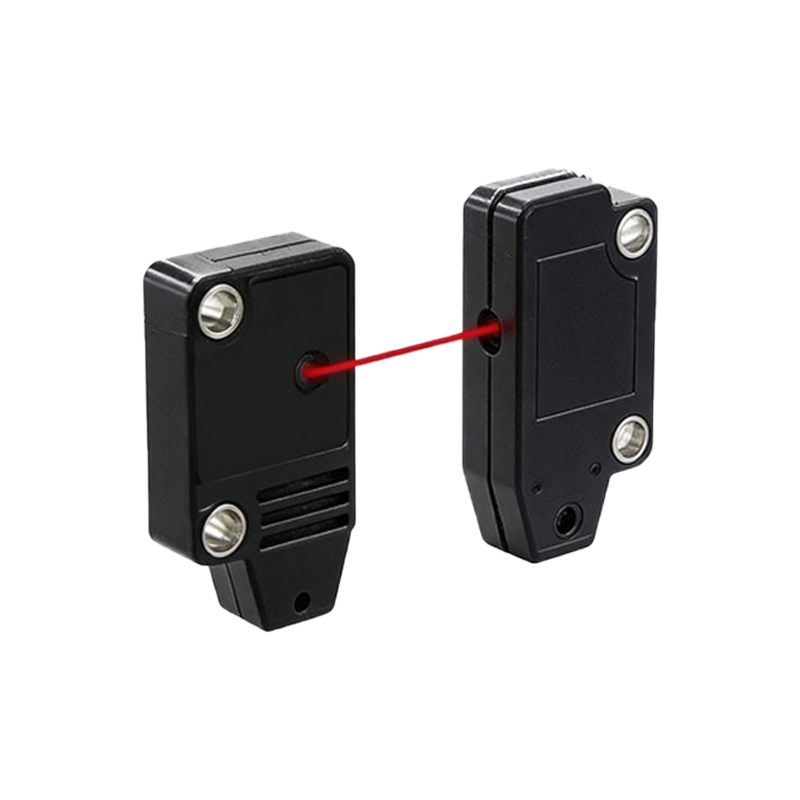
Photoelectric sensors operate primarily on three principles: through-beam, retro-reflective, and diffuse reflection. Through-beam sensors, with separate emitter and receiver units, offer the longest sensing ranges and high reliability, ideal for monitoring large gate openings in storage facilities or counting produce on high-speed conveyor belts. Retro-reflective types use a single unit and a reflector, suitable for detecting vehicles or equipment along farm pathways. Most versatile for agricultural applications are diffuse reflection sensors, which detect objects by receiving light reflected directly from the target. These are extensively used for proximity detection, such as monitoring fill levels in grain silos, detecting the presence of fruits on sorting lines, or ensuring proper spacing of seedlings in automated planting systems. The choice of type depends on factors like required range, environmental conditions (dust, moisture), and the specific detection task.
Key Applications in Crop Production and Management
In crop production, photoelectric sensors drive efficiency from seeding to harvest. Automated planting machinery utilizes these sensors to ensure seeds are dispensed at correct intervals and depths, significantly reducing waste. During growth, sensors monitor plant height and canopy density, providing data that can inform irrigation and nutrient delivery systems in variable-rate technology setups. Perhaps the most prominent application is in automated harvesting. Optical sensors guide robotic arms to identify ripe fruits based on color (using specialized RGB sensors), size, and even spectral signatures indicating sugar content. This allows for selective harvesting, improving quality and reducing damage. Furthermore, in greenhouses, arrays of photoelectric sensors continuously monitor light intensity, triggering automated shade systems or supplemental lighting to maintain optimal photosynthetic conditions, regardless of external weather.
Enhancing Livestock Farming Operations
Livestock management benefits profoundly from photoelectric sensing technology. In automated milking systems, sensors precisely detect the position of a cow's teats, guiding the milking cups for attachment without human intervention, which improves animal welfare and milking efficiency. They are also employed in feeding systems to identify individual animals via RFID tags and dispense customized rations, optimizing nutrition and growth. Photoelectric gates and counters monitor animal movement in and out of barns or pastures, helping track health and behavior patterns. Water level sensors in troughs ensure a constant supply of fresh water. By automating these routine tasks, farmers can manage larger herds with greater precision and reduced labor costs, while also gathering valuable data for herd health analytics.
Post-Harvest Handling and Quality Control
The post-harvest phase is critical for preserving quality and minimizing loss. Here, photoelectric sensors form the backbone of sorting and packaging automation. High-speed sorting lines use advanced optical sensors, including laser and vision-based systems, to inspect produce for size, color, shape, and surface defects. Bruised, discolored, or misshapen items are automatically ejected. In packaging facilities, sensors ensure correct box placement on conveyors, verify fill levels, and count items before sealing. They also control the precise application of labels. In storage, sensors monitor environmental conditions within controlled-atmosphere rooms, but more directly, they manage inventory by detecting the presence of pallets in warehouses, enabling automated storage and retrieval systems that maintain the cold chain and reduce spoilage.
Addressing Challenges and Future Trends
Deploying photoelectric sensors in agriculture is not without challenges. Harsh outdoor environments expose sensors to dust, dirt, moisture, temperature extremes, and direct sunlight, which can interfere with light beams. Manufacturers address this with robust, IP-rated housings, dirt-repellent lenses, and modulated LED light sources that filter out ambient light interference. The future points toward greater integration and intelligence. The convergence of photoelectric sensors with the Internet of Things (IoT) and Artificial Intelligence (AI) is creating smart sensor networks. These systems do not just detect presence; they analyze complex data streams. For example, multispectral sensors on drones can assess crop health across vast fields, feeding data to AI models that predict disease outbreaks or nutrient deficiencies, enabling preemptive action. This evolution from simple detection to predictive analytics will further solidify the role of photoelectric sensing in sustainable, data-driven agriculture.