Understanding the Sensing Principle
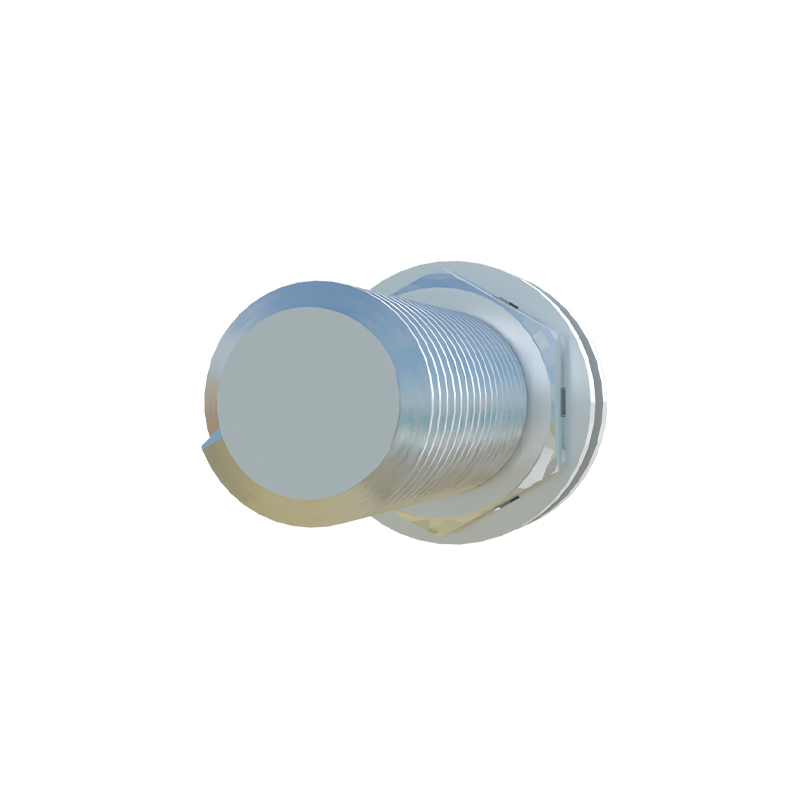
The foundational step in selecting a proximity sensor is a clear understanding of its operating principle. The most common types are inductive, capacitive, and photoelectric sensors. Inductive sensors detect the presence of metallic objects by generating an electromagnetic field. They are robust, reliable for metal detection, and unaffected by non-conductive materials like dust or liquids. Capacitive sensors, on the other hand, can detect both metallic and non-metallic objects (plastics, wood, liquids, granules) by measuring changes in capacitance. Photoelectric sensors utilize a light beam (visible red, infrared, or laser) and are ideal for long-range detection or sensing small objects. The choice of sensing principle is dictated by the target material and the environmental conditions of the application.
Defining the Sensing Range
The nominal sensing range, often called the rated operating distance (Sn), is a critical parameter. It specifies the maximum distance at which a standard target can be reliably detected. It is crucial to note that the effective sensing distance can be influenced by factors such as target material, size, shape, and temperature. For inductive sensors, the sensing range varies with the type of metal; for instance, steel is detected at the nominal range, while aluminum or copper may reduce the effective range. Engineers must always select a sensor with a nominal range greater than the required installation distance, typically applying a derating factor of 60-70% for reliable operation and to account for mechanical tolerances.
Selecting the Electrical Output Type
Proximity sensors are available with various output configurations to interface with control systems like PLCs. The primary distinction is between digital (discrete) and analog outputs. Digital outputs, either NPN (sinking) or PNP (sourcing) for DC sensors, and NO (Normally Open) or NC (Normally Closed) contacts for AC/DC models, provide a simple on/off signal. The choice between NPN and PNP depends on the input circuit of the controller. Analog outputs (0-10V, 4-20mA) provide a continuous signal proportional to the distance to the target, enabling precise position monitoring. Additionally, IO-Link enabled sensors offer digital communication for advanced diagnostics, parameter setting, and process data exchange.
Evaluating Housing Material and Protection Rating
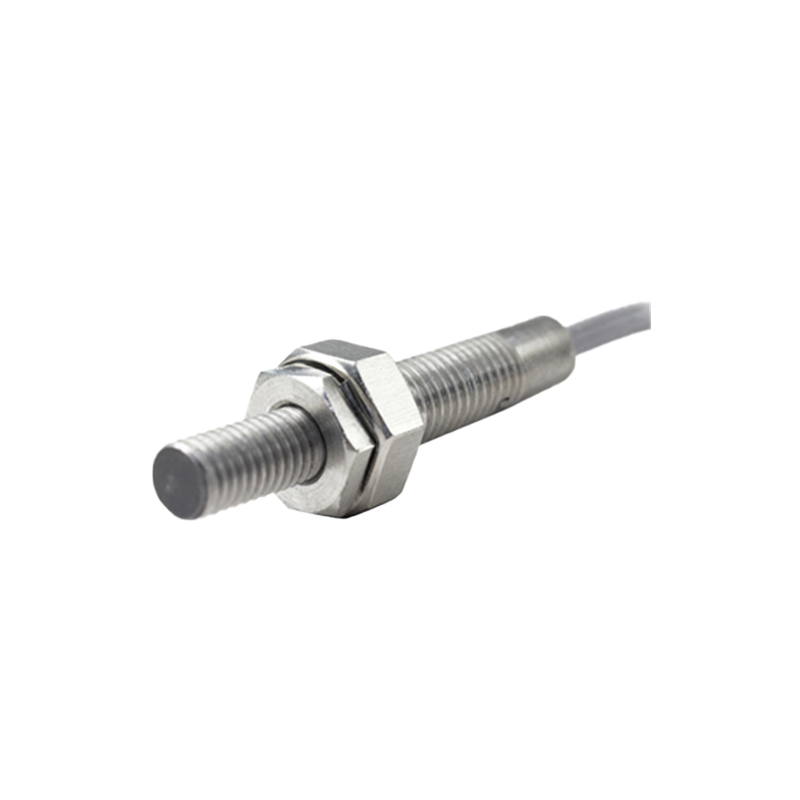
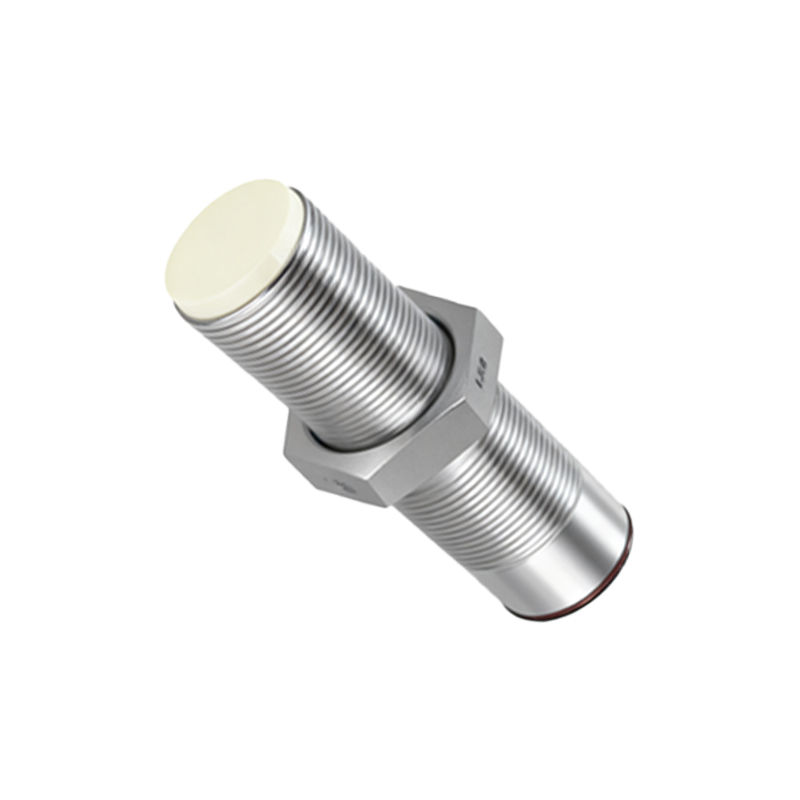
The sensor's housing must withstand the physical and chemical environment. Common housing materials include nickel-plated brass, stainless steel (V2A, V4A), and various plastics (PBT, PVC). For harsh environments with coolants, oils, or aggressive chemicals, stainless steel or specially coated housings are mandatory. Equally important is the Ingress Protection (IP) rating, defined by IEC 60529. An IP67 rating, for example, certifies the sensor is dust-tight and can withstand temporary immersion in water. For washdown applications in food & beverage or pharmaceutical industries, IP69K rating is required to resist high-pressure, high-temperature cleaning.
Considering Switching Frequency and Response Time
This parameter defines how fast a sensor can operate. The switching frequency, measured in Hertz (Hz), indicates the maximum number of on/off cycles per second the sensor can perform. A high switching frequency (e.g., 5 kHz) is essential for high-speed applications like counting small parts on a fast conveyor or monitoring gear teeth. Closely related is the response time, which includes both the sensor's internal signal processing delay and the rise/fall time of the output signal. For precise timing and high-speed control loops, sensors with sub-millisecond response times are necessary to ensure system accuracy and prevent missed counts.
Accounting for Environmental and Mounting Factors
Real-world installation presents challenges that datasheet parameters must accommodate. Flush-mounted (shielded) inductive sensors can be installed embedded in metal without affecting their field, while non-flush (unshielded) types offer a longer range but require a metal-free zone around the sensing face. Temperature ranges, both operating and storage, must be compatible with the application environment. Factors like ambient light immunity for photoelectric sensors, electromagnetic compatibility (EMC) for operation near drives or welders, and resistance to mechanical shock and vibration are vital for long-term reliability. Always consult the manufacturer's installation guidelines for optimal performance.
Analyzing Cost vs. Performance and Lifespan
Finally, selection is an economic decision balancing performance, durability, and total cost of ownership. A cheaper sensor may have a shorter mechanical and electrical lifespan