In the silent and unforgiving depths of the world's oceans, submarines operate as marvels of modern engineering. Their ability to navigate, maneuver, and perform complex missions relies on a symphony of sophisticated systems. Among the most critical, yet often unsung, components are proximity switch sensors. These devices serve as the submarine's tactile sense, providing essential data on the vessel's immediate surroundings and the status of internal mechanisms. Far from simple on/off switches, modern submarine proximity sensors are highly engineered systems designed for extreme reliability in a hostile environment.
The primary function of a proximity switch sensor on a submarine is non-contact detection. It determines the presence or absence of an object within a specified range without any physical contact. This is paramount for several key operational areas. Externally, these sensors are integral to docking procedures, ensuring the hull maintains a safe distance from piers, other vessels, or underwater structures. They monitor the position of movable control surfaces like diving planes and rudders, providing feedback to the helm and automated control systems. Internally, they are ubiquitous, verifying the open or closed status of valve actuators, confirming the secure locking of hatches and doors, and monitoring the position of critical machinery components within the engine room and weapon systems.
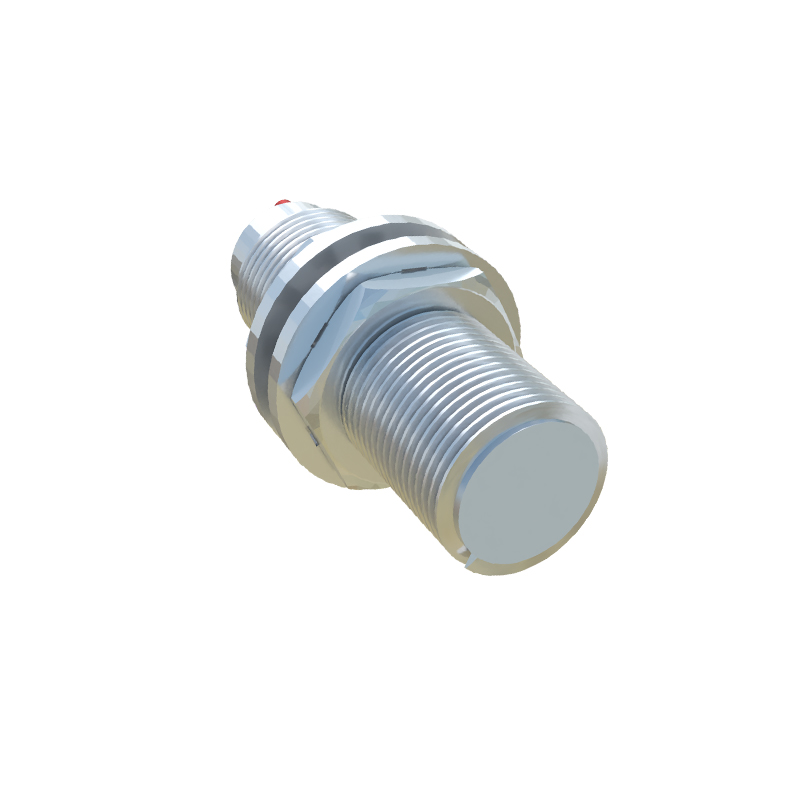
The operating environment dictates the sensor's design. Submarine-grade proximity sensors must withstand immense hydrostatic pressure that increases with depth. Their housings are typically constructed from high-grade corrosion-resistant stainless steel or specialized alloys, hermetically sealed to prevent seawater intrusion. They are designed to resist the effects of constant vibration from machinery and potential shock loads. Furthermore, they must operate flawlessly across a wide temperature range and be immune to interference from the submarine's own powerful electromagnetic fields generated by motors, sonar, and other electronic systems.
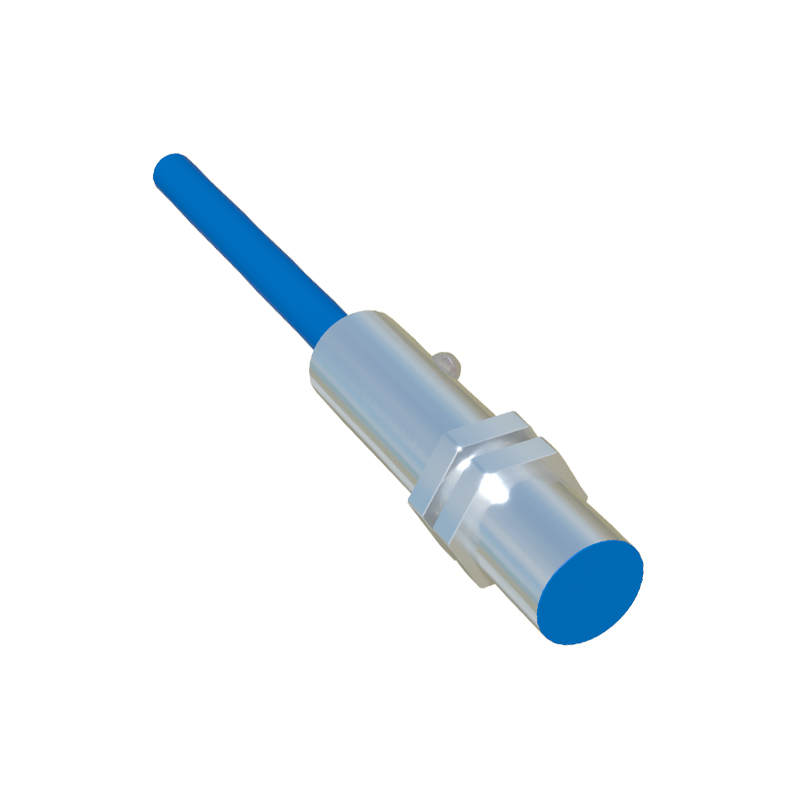
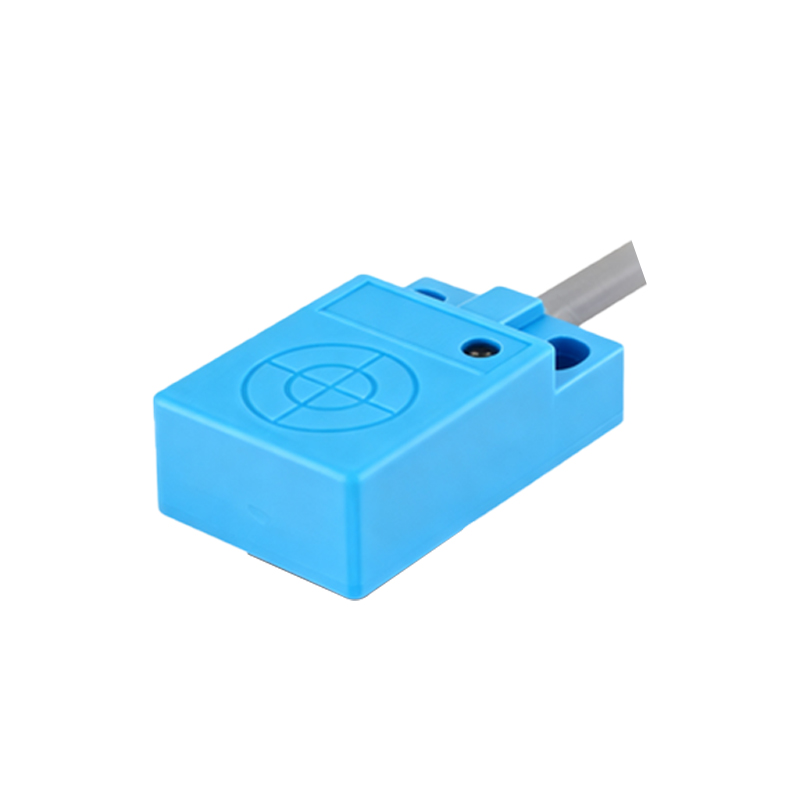
Several sensing technologies are employed, each with specific advantages. Inductive proximity sensors are common for detecting metal targets, such as verifying the position of a metal hatch or a hydraulic piston. They generate an electromagnetic field and detect changes caused by a metallic object entering that field. For non-metallic objects or where greater sensing ranges are needed, capacitive sensors might be used. Ultrasonic sensors, which use sound waves, can be effective for certain external applications, measuring distance to an object. The choice of technology is a careful balance of range, target material, environmental resilience, and required reliability.
Reliability is not just a feature; it is the absolute mandate. A single sensor failure in a critical system can have catastrophic consequences. Therefore, submarine proximity switches are subject to rigorous qualification testing that far exceeds industrial standards. This includes extended pressure cycling, salt spray corrosion testing, vibration and shock testing to military specifications, and exhaustive performance validation over thousands of operational cycles. Redundancy is also a key design principle. Critical measurements are often provided by multiple, independently wired sensors to allow for cross-verification and system fault tolerance.
The integration of these sensors into the submarine's overall architecture is a complex task. They are connected to the vessel's distributed control systems or programmable logic controllers (PLCs). The data they provide forms a fundamental part of the ship's condition monitoring and automation logic. For instance, a sensor indicating an unsecured hatch can prevent the submarine from diving. A sensor showing a stuck control surface will alert the crew and may trigger automated countermeasures. This integration turns raw sensor data into actionable intelligence for the crew and automated systems.
Looking forward, the evolution of submarine proximity sensing continues. Advances in materials science promise even more robust and pressure-tolerant designs. There is a trend towards increased digitalization and smart sensors with built-in diagnostics, capable of reporting their own health status to predictive maintenance systems, thereby enhancing operational availability. Furthermore, research into new sensing modalities, potentially leveraging fiber-optic or magnetostrictive technologies, aims to provide even greater accuracy and resilience in the challenging subsea environment.
In conclusion, proximity switch sensors are fundamental to submarine safety and functionality. They are the unseen sentinels that provide the essential spatial awareness needed to operate a complex vessel in an opaque and high-pressure world. Their design, embodying principles of extreme durability, flawless reliability, and seamless integration, highlights the extraordinary engineering required for undersea operations. From ensuring a safe dock to enabling a deep dive, these components quietly perform a duty that is vital to the success of every underwater mission.