In modern industrial automation, robotics, and consumer electronics, proximity sensors play a critical role in enabling touchless detection, object positioning, and safety systems. However, their reliable operation is frequently challenged by various forms of electrical and environmental interference. Ensuring signal integrity is paramount for system accuracy and safety. This article delves into the common sources of interference for proximity sensors and outlines proven strategies for mitigation.
A primary source of interference is electromagnetic interference (EMI) from adjacent electrical equipment. Motors, variable frequency drives (VFDs), solenoids, and even other sensors can generate significant electromagnetic noise. This noise can capacitively or inductively couple into the sensor's signal lines or power supply, causing false triggering, erratic readings, or complete failure. Similarly, radio frequency interference (RFI) from wireless communication devices like walkie-talkies or cellular phones can disrupt sensor operation, particularly for high-frequency oscillating types.
Electrical noise on the power supply line is another prevalent issue. Voltage spikes, dips, or harmonics introduced by switching power supplies or large inductive loads turning on/off can directly affect the sensor's internal circuitry. Furthermore, for sensors with long cable runs, the cables themselves can act as antennas, picking up ambient noise. Ground loops, created when different parts of a system are grounded at points with a potential difference, can introduce circulating currents that manifest as interference in sensor signals.
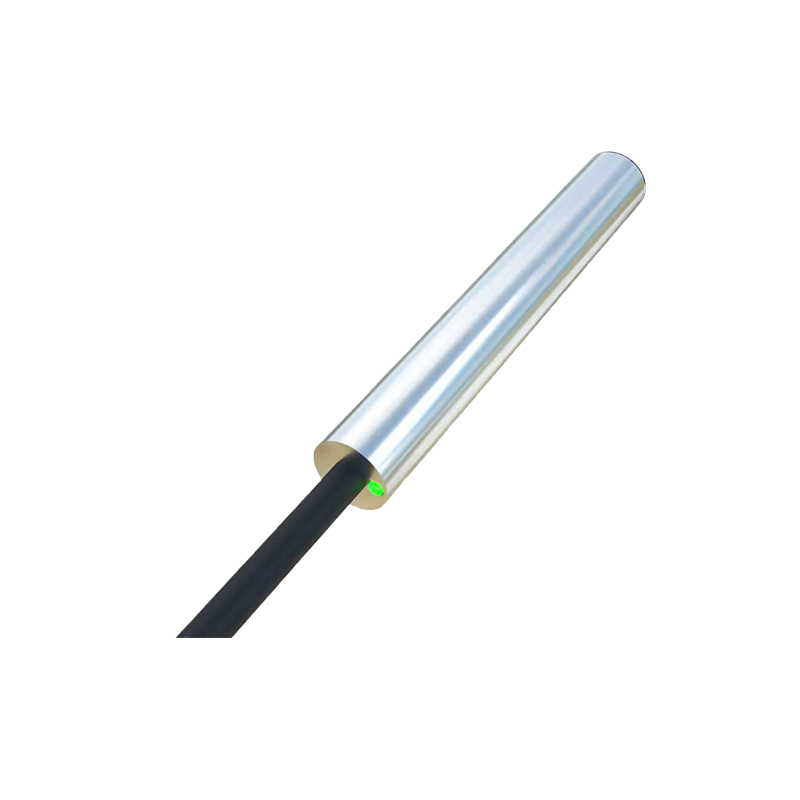
Environmental factors also contribute. Metallic dust or conductive shavings accumulating on the sensor face can alter its sensing field, leading to reduced sensing distance or permanent activation. For inductive sensors, the presence of non-target metals in the sensing environment can cause similar issues. Extreme temperature fluctuations may affect the electronic components' performance and the oscillation frequency, while condensation or direct moisture ingress can cause short circuits.
Implementing effective anti-interference measures requires a multi-layered approach, starting with proper sensor selection and installation. Choosing a sensor with a robust housing rating (e.g., IP67) for harsh environments is fundamental. Physically separating sensor cables from high-power cables is a simple yet highly effective rule. Maintain a minimum distance of 20-30 cm, and if cables must cross, ensure they do so at a 90-degree angle to minimize inductive coupling.
Shielding is a cornerstone of interference protection. Always use cables with braided or foil shields for sensor connections. The shield must be grounded properly at one end only, typically at the controller or system ground point, to prevent ground loops. For severe EMI environments, consider using ferrite cores or clamps on the cables near the sensor and the controller. These components suppress high-frequency noise.
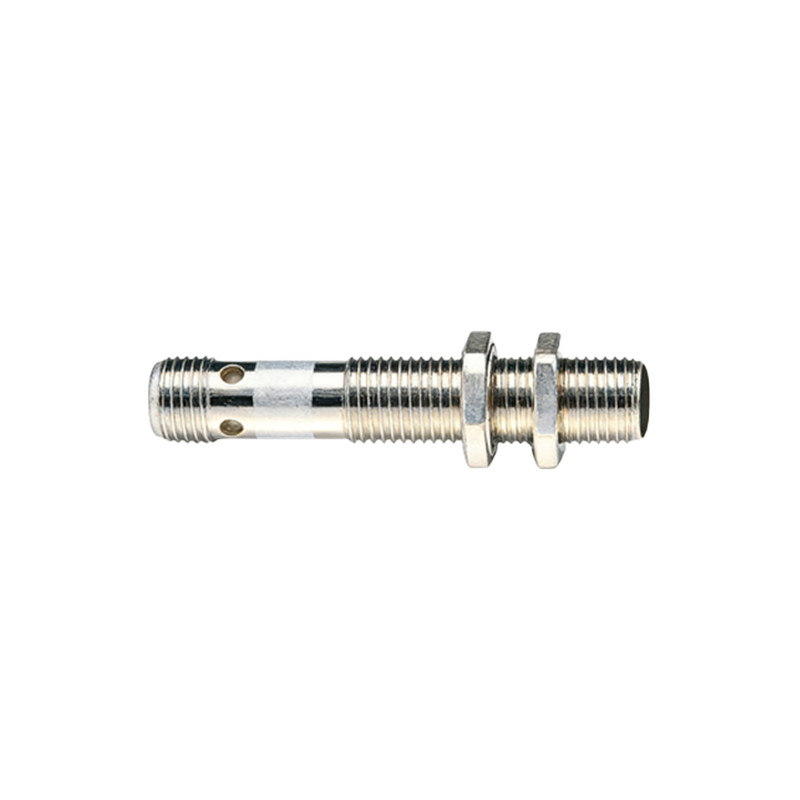
Electrical filtering is equally crucial. Incorporate power line filters or isolation transformers to clean the supply voltage feeding the sensor system. Many modern proximity sensors have built-in surge protection and noise immunity circuits. Check the sensor's specifications for its noise immunity rating, often tested against standards like IEC 61000-4. For digital outputs, using a short time delay function (debouncing) can ignore transient noise spikes that last only milliseconds.
In circuit design, employing differential signal transmission or using sensors with analog current outputs (4-20mA) instead of voltage outputs can significantly improve noise rejection, as current loops are less susceptible to voltage drops and induced noise. For programmable logic controller (PLC) inputs, using a shielded input module with filtering capabilities adds an extra layer of defense.
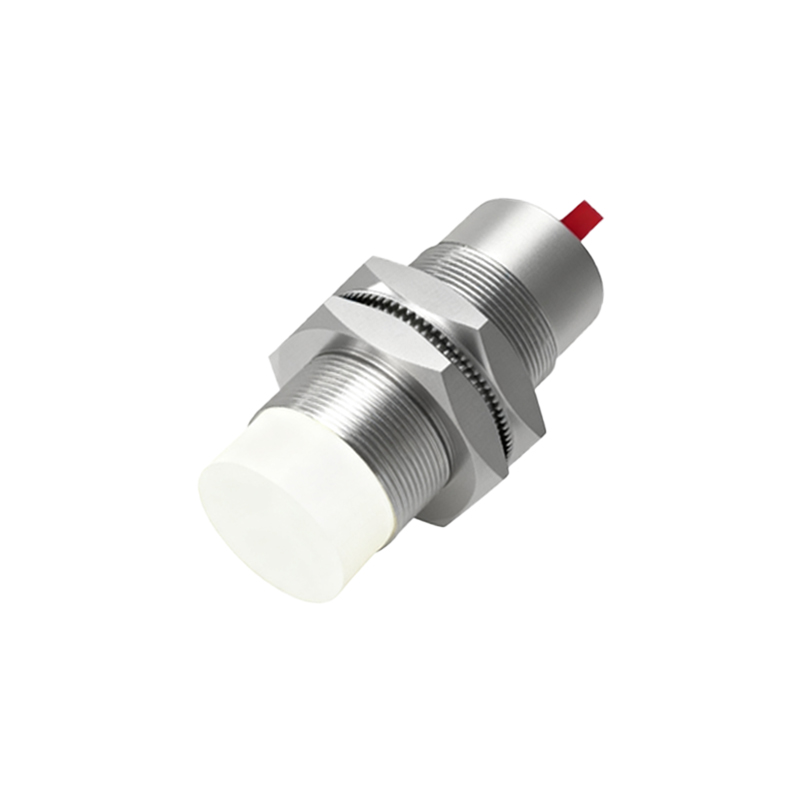
Regular maintenance cannot be overlooked. Periodically inspect sensors for physical damage, corrosion, or buildup of contaminants. Clean the sensing face according to the manufacturer's guidelines. Verify cable integrity and shield grounding connections. Monitoring system performance logs can help identify intermittent interference issues before they cause downtime.
In conclusion, combating interference in proximity sensor applications is not about finding a single solution but implementing a systematic defense-in-depth strategy. By understanding the interference sources, carefully selecting components, adhering to strict installation practices regarding cabling and grounding, and utilizing filters and shields, engineers can achieve the high level of reliability and precision required in today's demanding automated systems. A sensor system resilient to interference is a foundational element for operational efficiency and safety.