Understanding Infrared Proximity Sensor Chips
Infrared proximity sensor chips are fundamental components in modern electronics, enabling devices to detect the presence or absence of objects without physical contact. These chips operate by emitting an infrared light beam and measuring the reflection. The core technology involves an IR emitter, typically an LED, and a photodiode or phototransistor receiver. The chip's integrated circuitry processes the signal to determine proximity. This non-contact detection method is crucial for applications requiring reliability, hygiene, or where physical switches are impractical. The performance of these sensors hinges on the chip's sensitivity, response time, and power efficiency, making the selection of the right semiconductor component paramount for system designers.
The Critical Role of Specialized Agents and Distributors
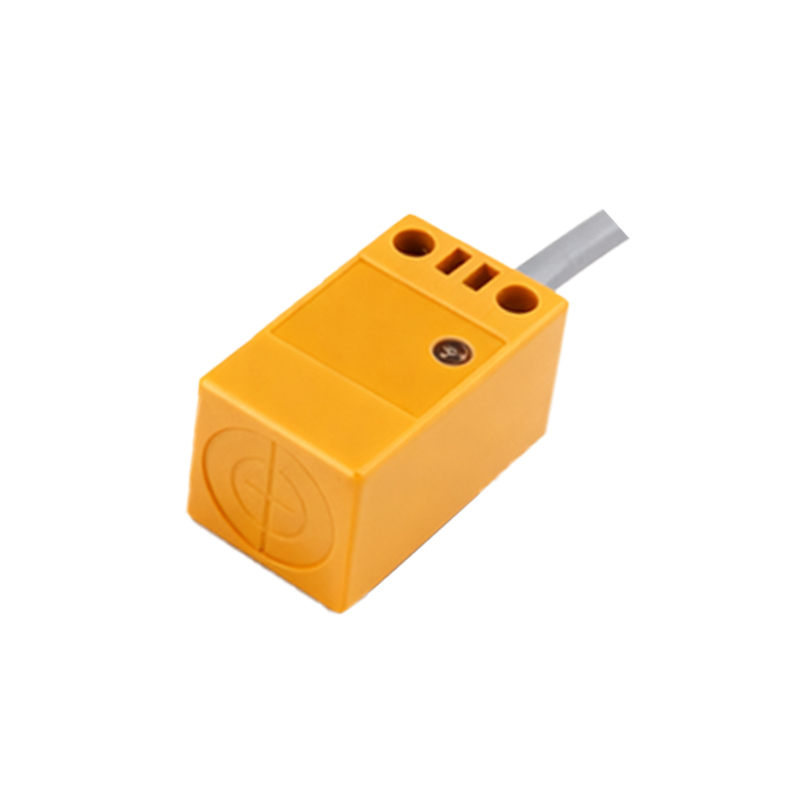
Navigating the complex semiconductor supply chain requires expertise that goes beyond simple transactional sales. Specialized agents and distributors for infrared proximity sensor chips act as vital intermediaries between chip manufacturers (fabless companies or IDMs) and OEMs. These partners provide more than just inventory; they offer deep technical knowledge of sensor characteristics, application-specific advice, and logistical support. They understand the nuances of different IR wavelengths, package sizes like surface-mount devices, and the impact of environmental factors like ambient light on sensor performance. By maintaining strong relationships with multiple manufacturers, they can recommend the optimal chip for a given design challenge, whether for consumer electronics, automotive systems, or industrial automation.
Value-Added Services Beyond Supply
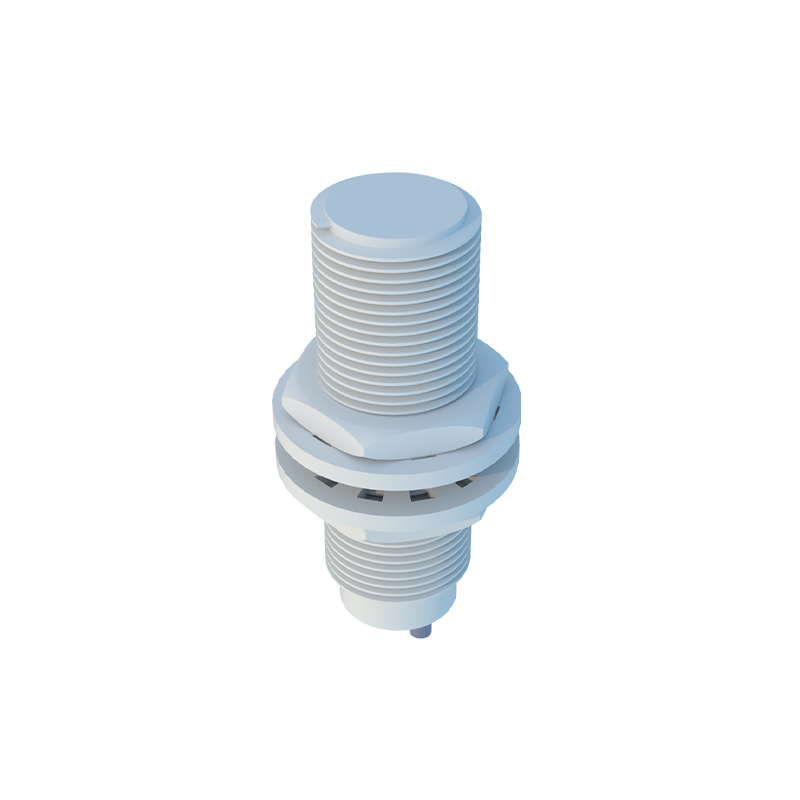
Top-tier infrared proximity sensor chip agents distinguish themselves through comprehensive value-added services. This begins with technical support during the design phase, including assistance with schematic review and PCB layout to minimize optical crosstalk. Many agents provide evaluation kits and development boards, allowing engineers to prototype and test sensor performance in real-world conditions. They also manage the complexities of qualification and compliance, ensuring chips meet necessary industry standards. Furthermore, these partners offer supply chain resilience through strategic inventory management, buffer stock, and forecasting tools, mitigating risks associated with semiconductor shortages and long lead times, which are common in the industry.
Selecting the Right Agent for Your Project
Choosing an appropriate agent is a strategic decision. Key selection criteria include the breadth and depth of their supplier portfolio, encompassing leading and emerging chip manufacturers. Evaluate their technical support team's expertise and responsiveness. A strong agent should have a proven track record in your target application area, whether it's smartphone display management, robotics, or touchless interfaces. Assess their logistical capabilities, global reach, and digital tools for order management and component lifecycle information. Ultimately, the right partner acts as an extension of your engineering team, providing insights that streamline the design-in process and accelerate time-to-market for your product.
Future Trends and Agent Adaptation
The landscape for infrared sensing is evolving rapidly. Trends include the integration of proximity sensing with ambient light sensing (ALS) in combo chips, the push for lower power consumption for battery-operated IoT devices, and the development of sensors with higher immunity to interference. Agents must stay ahead of these trends, continuously updating their technical knowledge and supplier agreements. The rise of smart homes, autonomous systems, and advanced human-machine interfaces will drive demand for more sophisticated sensors. Forward-thinking agents are already building expertise in supporting these next-generation applications, ensuring they can guide customers through the selection of chips that offer not just proximity detection, but also gesture recognition and material classification capabilities.