Introduction to Photoelectric Sensor Proximity Switches
Photoelectric sensor proximity switches are fundamental components in modern industrial automation. These devices detect the presence, absence, or distance of an object without physical contact, using a beam of light. Their operation is based on the modulation of light emitted from a transmitter, which is then received and analyzed. The core principle involves the interruption or reflection of this light beam by a target object, triggering an electrical output signal. This non-contact method offers significant advantages over mechanical switches, including higher reliability, faster response times, and no wear and tear from physical impact. They are indispensable in applications ranging from packaging and material handling to assembly line monitoring and safety systems, providing precise and reliable object detection critical for process control.
Core Operating Principles and Sensing Modes
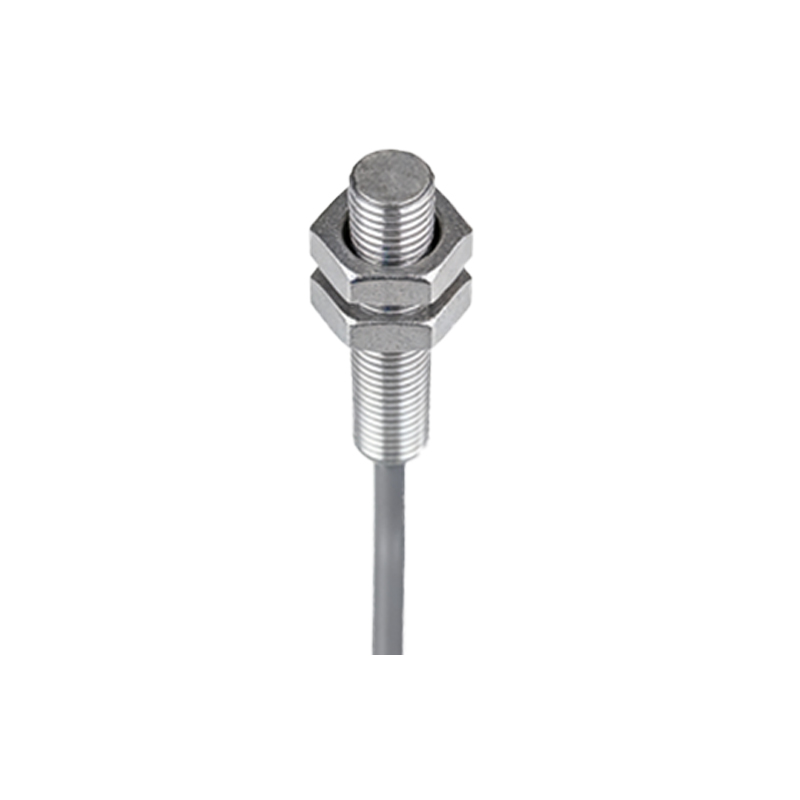
The functionality of photoelectric sensors is defined by their specific sensing modes, each suited to different environmental conditions and target materials. The three primary modes are through-beam, retro-reflective, and diffuse reflective. Through-beam sensors consist of separate transmitter and receiver units placed opposite each other. Detection occurs when the target object interrupts the light beam traveling between them. This mode offers the longest sensing range and highest reliability, as it is less affected by the object's color, surface finish, or angle. Retro-reflective sensors house both emitter and receiver in a single housing, using a reflector to bounce the light beam back. The object is detected when it blocks this return path. Diffuse reflective sensors, also known as proximity sensors, detect the object by the light reflected directly from its surface back to the receiver. This self-contained mode is simpler to install but has a shorter range and can be influenced by the target's color and reflectivity.
Key Technical Specifications and Performance Factors
Selecting the appropriate photoelectric sensor requires careful consideration of several technical parameters. Sensing range, or the maximum distance at which the sensor can reliably detect a standard target, is a primary specification. Response time, typically measured in milliseconds, determines how quickly the sensor can react to a change in state, which is crucial for high-speed applications. The light source is another critical factor; while traditional incandescent bulbs are largely obsolete, modern sensors use Light Emitting Diodes (LEDs) in visible red, infrared, or laser varieties. Infrared LEDs are common for their resistance to ambient light interference, while laser diodes provide highly focused beams for precise detection of small objects. Environmental ratings, such as IP (Ingress Protection) codes for dust and water resistance, and NEMA ratings, are essential for ensuring reliable operation in harsh industrial conditions.
Advanced Features and Specialized Sensor Types
Technological advancements have led to photoelectric sensors with sophisticated features that solve complex application challenges. Background suppression sensors use triangulation principles to detect objects only within a precise, predefined distance, ignoring objects beyond that range. This is vital for detecting objects on a conveyor belt while ignoring the belt itself or background structures. Contrast sensors are designed to detect differences in color, grayscale, or contrast marks, commonly used in labeling and printing applications. Fiber optic sensors represent a specialized type where the light beam is transmitted through flexible fiber optic cables, allowing the sensing head to be placed in extremely tight, hot, or hazardous locations where a standard sensor housing would not fit. These specialized types greatly expand the versatility of photoelectric sensing solutions.
Industry Applications Across Various Sectors
The application scope of photoelectric proximity switches is vast and cross-sectoral. In manufacturing and assembly, they are used for part presence verification, counting, and positioning on automated lines. The packaging industry relies on them for detecting fill levels, checking for labels, and controlling the sealing process. In material handling and logistics, sensors monitor package flow on conveyors, control sorting gates, and ensure palletizing accuracy. They also play a critical role in safety, forming light curtains and safety barriers around hazardous machinery to protect personnel. Furthermore, in the automotive, food and beverage, and pharmaceutical industries, their non-contact nature ensures hygienic and contamination-free operation, meeting stringent industry standards.
Practical Selection and Installation Guidelines
Successful implementation hinges on proper selection and installation. The first step is to define the application requirements: target material (opaque, transparent, glossy), size, required sensing distance, environmental conditions (dust, moisture, temperature), and required output type (PNP/NPN, analog, IO-Link). For transparent object detection, a polarized retro-reflective or through-beam sensor is often necessary. Installing through-beam sensors requires precise alignment of the transmitter and receiver, which can be facilitated by models with alignment indicators. For diffuse sensors, it is crucial to consider the target's reflectivity; a highly reflective target may require a sensor with background suppression. Mounting stability is paramount, as vibration can misalign beams. Regular maintenance, primarily lens cleaning to prevent dust or grime buildup that attenuates the light signal, ensures long-term, trouble-free operation.
Future Trends and Technological Evolution
The future of photoelectric sensing is aligned with the broader trends of Industry 4.0 and smart manufacturing. Sensors are increasingly equipped with IO-Link communication, a point-to-point serial protocol that allows for bidirectional data exchange. This enables remote configuration, real-time diagnostics (like signal strength monitoring), and parameterization from a central controller, reducing downtime. The integration of more powerful microprocessors allows for advanced functions like teach-in capabilities for easy setup and built-in timers or logic functions. Furthermore, the development of sensors with enhanced resistance to challenging environmental factors, such as heavy washdowns in food processing or extreme temperatures, continues to push the boundaries of where these reliable devices can be deployed, ensuring their central role in the automated factories of tomorrow.