Understanding Magnetic Proximity Sensor Fundamentals
Magnetic proximity sensors are non-contact devices that detect the presence or absence of a magnetic field, typically generated by a permanent magnet or an electromagnet. Their operation hinges on the principle of magnetic field interaction with internal sensing elements, such as reed switches, Hall-effect ICs, or magnetoresistive components. Unlike inductive or capacitive sensors, they are uniquely capable of detecting magnetic targets through non-ferrous materials like aluminum, plastic, or stainless steel housings. This fundamental characteristic makes them indispensable in environments where physical contact is impossible or where contaminants like dust, oil, or moisture are prevalent. The core reliability of the system begins with selecting the correct sensing technology for the application's specific magnetic field strength, switching frequency, and environmental challenges.
Key Factors Influencing Operational Reliability
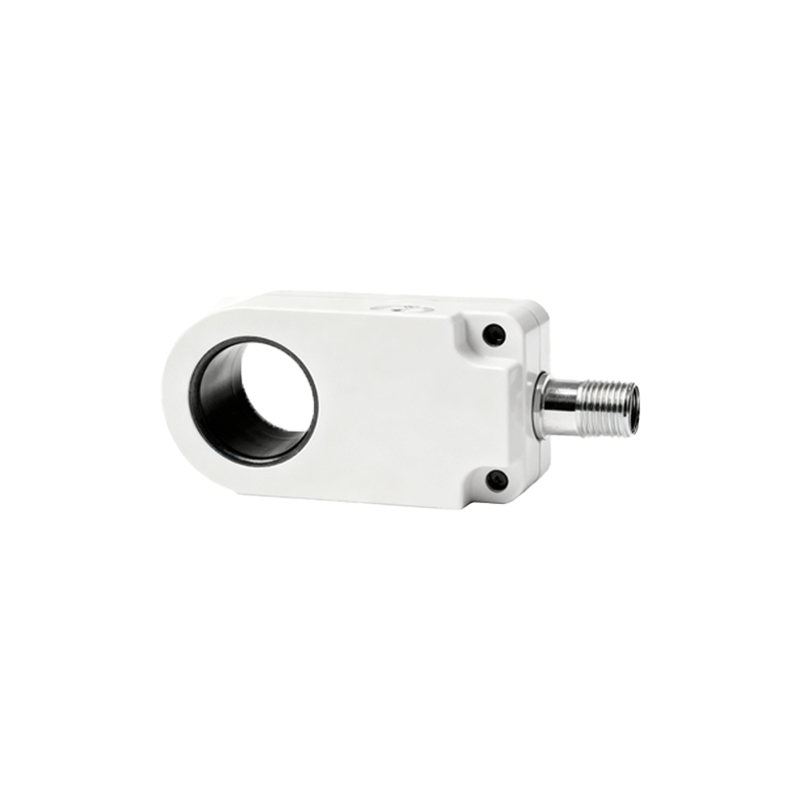
The long-term reliability of a magnetic proximity sensor is not a single attribute but a confluence of several critical factors. First, the mechanical and electrical robustness of the sensor housing and internal components determines its resistance to shock, vibration, and ingress. An IP67 or IP69K rating, for instance, is crucial for washdown or outdoor applications. Second, the thermal operating range is vital; extreme temperatures can affect the magnet's field strength, the sensor's electronic circuitry, and material integrity. Third, electrical characteristics such as voltage tolerance, current load, and protection against reverse polarity or short circuits directly impact service life. Finally, the compatibility between the sensor's activation distance and the target magnet's strength and orientation is paramount. A mismatch here leads to unreliable switching, premature failure, or missed detections.
Common Failure Modes and Mitigation Strategies
Despite their robustness, magnetic sensors can fail. A primary failure mode is the degradation of the permanent magnet target, especially in high-temperature environments, leading to a weakened magnetic field and increased switching distance. Using high-temperature grade magnets (e.g., Samarium Cobalt) mitigates this. For reed switch-based sensors, contact welding or fatigue from high inrush currents can occur. Employing Hall-effect sensors for high-cycle applications or integrating protective circuits solves this. Another common issue is output signal drift due to temperature fluctuations in the sensor's electronics. Choosing sensors with built-in temperature compensation ensures stable performance. Physical damage from misalignment or excessive mechanical force is also prevalent, which can be prevented with proper mounting fixtures and protective guards. Regular preventive maintenance, including checking magnetic field strength and sensor alignment, is a key strategy.
Enhancing Reliability through Design and Installation
System reliability is significantly enhanced at the design and installation phase. Electromagnetic interference (EMI) from motors, drives, or welding equipment can disrupt sensor signals. Shielding the sensor, using twisted-pair cables, and ensuring proper grounding are essential countermeasures. The installation geometry is equally critical; the sensor must be positioned within its specified sensing window relative to the magnet's pole orientation. Axial, lateral, and slide-by sensing configurations each have precise alignment requirements. Using sensor mounting brackets made of non-ferrous materials prevents magnetic field distortion. For critical applications, implementing a redundant sensing system—using two sensors in a voting logic—can dramatically increase overall system availability and fault tolerance, ensuring a single point of failure does not halt operations.
Selection Criteria for Maximum Uptime
Selecting the right magnetic proximity sensor is a proactive investment in reliability. Begin by defining the application's environmental class: Is it a dry cabinet, a wet washdown area, or an explosive atmosphere (requiring ATEX/IECEx certification)? Next, specify the required output type (PNP/NPN, NO/NC, analog, or IO-Link) and switching frequency to match the control system. Consider sensors with advanced diagnostics, such as those with IO-Link communication, which provide real-time data on operating health, temperature, and signal strength, enabling predictive maintenance. Evaluate the manufacturer's reputation for quality, mean time between failures (MTBF) data, and warranty terms. Ultimately, a sensor chosen not just for its initial cost but for its total cost of ownership—factoring in installation, maintenance, and potential downtime costs—delivers the highest long-term reliability and operational uptime.