Introduction to Photoelectric Sensing Technology
Photoelectric sensors are fundamental components in modern industrial automation, particularly within sorting and material handling systems. These devices operate on the principle of converting light signals into electrical signals to detect the presence, absence, or characteristics of an object without physical contact. In the context of sorting machines, their role is critical for achieving high-speed, accurate, and reliable separation of items based on size, shape, color, or material composition. The core mechanism involves an emitter, which projects a light beam—typically infrared, visible red, or laser—and a receiver that detects changes in the received light intensity. When an object interrupts or reflects this beam, the sensor triggers a signal to the machine's control system, initiating a sorting action such as a pneumatic push, a diverter arm movement, or conveyor belt routing. This non-contact method ensures minimal wear and tear, reduces maintenance downtime, and allows for the handling of delicate or irregularly shaped items that might be damaged by mechanical sensors.
Key Types of Photoelectric Sensors for Sorting Applications
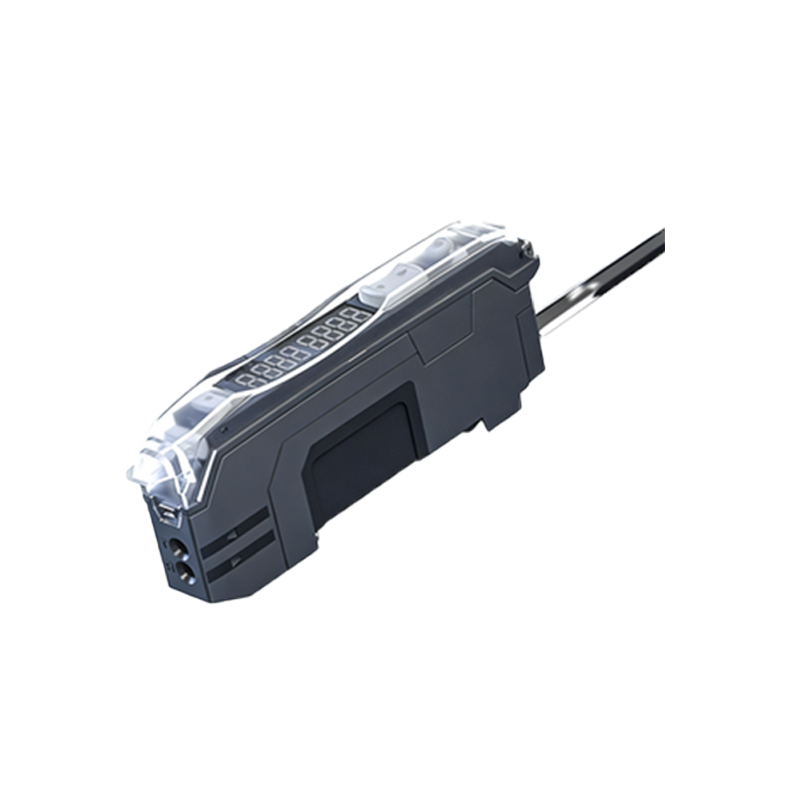
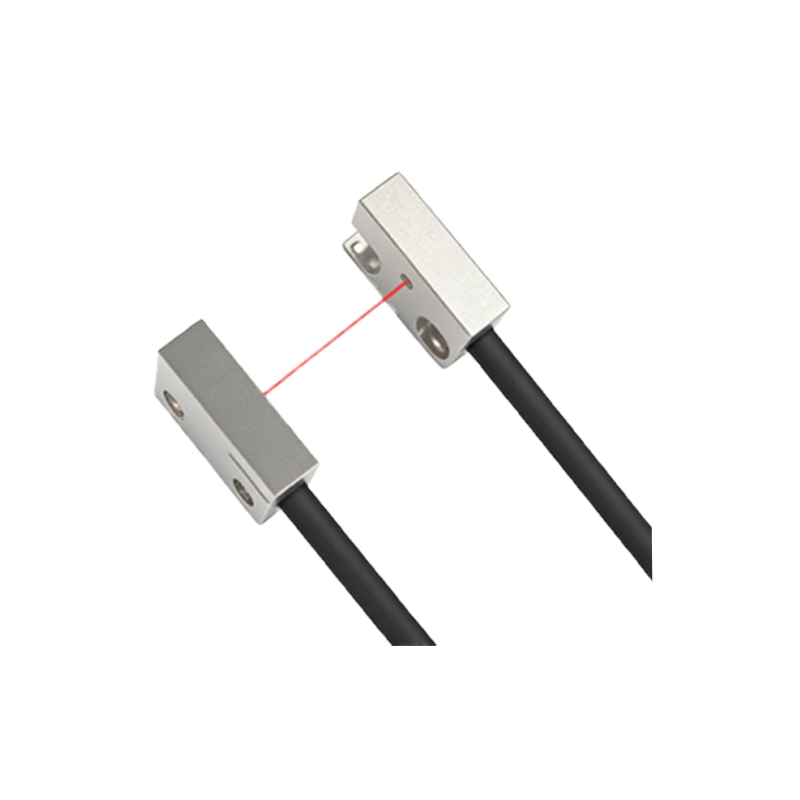
Several photoelectric sensor configurations are employed in sorting machinery, each suited to specific operational challenges. Through-beam sensors, consisting of separate emitter and receiver units placed opposite each other, offer the longest sensing ranges and highest reliability for detecting opaque objects, making them ideal for high-speed parcel sorting. Retro-reflective sensors use a single unit that emits light towards a reflector; the object is detected when it breaks the beam. This type is common in packaging line sorting where space is constrained. Diffuse reflective sensors, or proximity sensors, detect objects by measuring the light reflected directly from the target's surface. They are widely used for detecting objects on conveyor belts, especially when color or surface reflectivity is a sorting criterion. Advanced versions include background suppression sensors, which ignore objects beyond a set distance, and color sensors, which can differentiate items based on specific color wavelengths, crucial in recycling and agricultural sorting.
Integration with Sorting Machine Control Systems
The effectiveness of a photoelectric sensor is fully realized through its seamless integration with the sorting machine's Programmable Logic Controller (PLC) or industrial PC. The sensor's discrete or analog output signal is fed into the control system's input module. Engineers must carefully configure parameters such as sensing range, response time, and output logic to match the machine's cycle time and sorting algorithm. For complex tasks, like sorting by material type using near-infrared (NIR) spectroscopy—a specialized photoelectric technology—the sensor provides rich data that must be processed in real-time. This integration often involves communication protocols like IO-Link, which allows for parameter setting, diagnostics, and process data exchange directly from the sensor, enabling predictive maintenance and reducing setup time during product changeovers. Proper shielding, filtering, and wiring are essential to prevent electromagnetic interference from motors and drives, ensuring signal integrity.
Critical Considerations for Selection and Installation
Selecting the right photoelectric sensor for a sorting machine requires a detailed analysis of the application environment and object properties. Key factors include the sensing distance, object size and color, ambient light conditions, presence of dust or moisture, and required response speed. For instance, a dusty recycling plant demands sensors with high ingress protection (IP67 or higher) and robust housing. The installation angle and mounting hardware must be precisely calculated to ensure the beam intersects the object's path consistently. Regular calibration and alignment are necessary, especially for through-beam systems, to maintain accuracy over time. Engineers should also consider the lens material; polycarbonate lenses may scratch in abrasive environments, whereas glass lenses offer better durability. Utilizing sensors with built-in diagnostic LEDs greatly simplifies troubleshooting, indicating power status, output activation, and signal strength.
Advancements and Future Trends in Sensor Technology
The evolution of photoelectric sensors is driving significant improvements in sorting machine capabilities. The integration of Artificial Intelligence and machine vision is creating "smart sensors" that can perform complex pattern recognition and decision-making at the edge, reducing the load on central controllers. Miniaturization allows for the installation of multiple sensors in tight spaces, enabling more detailed inspection of items. Furthermore, the development of high-speed, hyperspectral imaging sensors can identify material compositions with unprecedented accuracy, revolutionizing waste management and food sorting. The trend towards Industrial Internet of Things (IIoT) connectivity means sensors are becoming data points in a larger network, providing insights into machine performance, product quality trends, and predictive maintenance schedules, ultimately leading to smarter, more efficient, and autonomous sorting facilities.