Introduction to Slot-Type Photoelectric Sensors
A slot-type photoelectric sensor, often referred to as a through-beam sensor or a fork sensor, is a fundamental component in industrial automation and control systems. Its primary function is to detect the presence, absence, or position of an object by utilizing a beam of light. Unlike other photoelectric sensor configurations, the slot-type design incorporates both the light emitter (typically an LED) and the light receiver (a phototransistor or photodiode) within a single, compact U-shaped housing. This housing features a precise slot or gap between the two opposing elements. The operational principle is elegantly simple: an object is detected when it physically interrupts the light beam traversing this slot. This design offers significant advantages in terms of easy alignment, installation stability, and reliable operation in various industrial environments, making it indispensable for applications like counting, edge detection, limit switching, and jam detection in machinery.
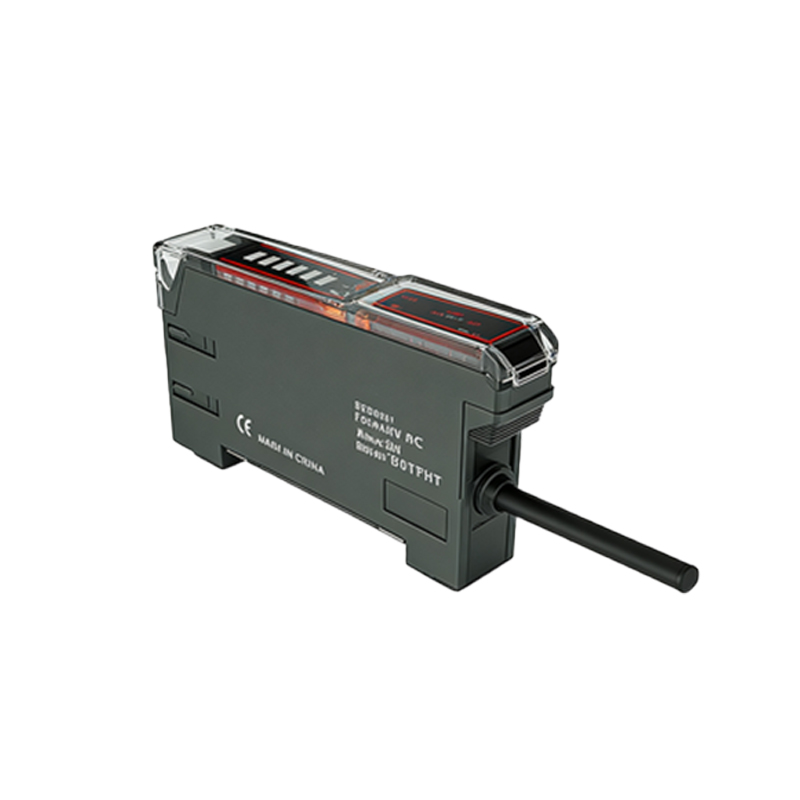
Core Working Principle and Internal Components
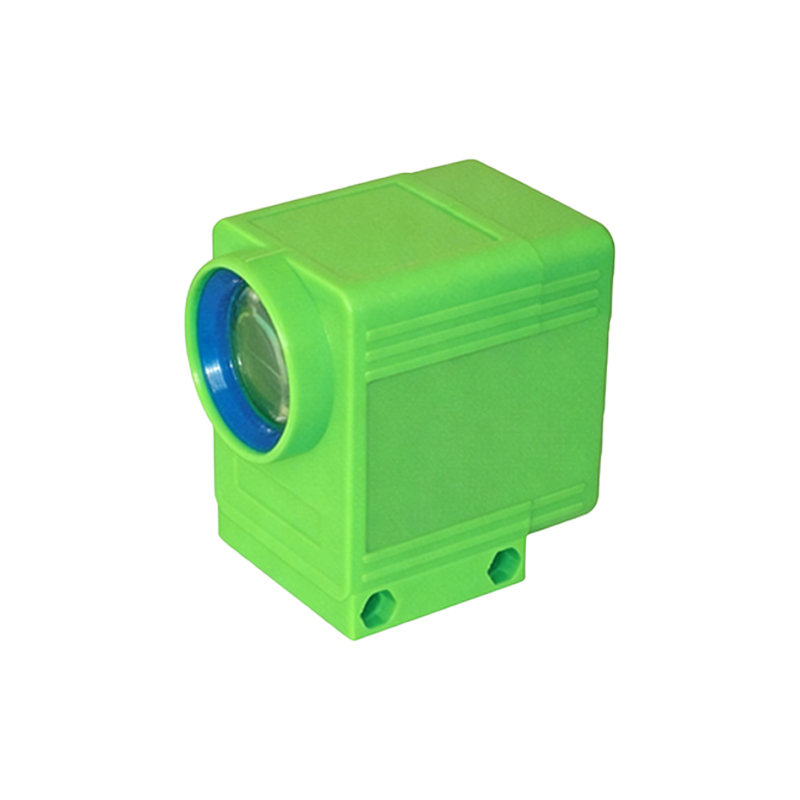
The fundamental operation hinges on the modulation and reception of light. On one side of the slot, an infrared or visible light-emitting diode (LED) generates a continuous or pulsed beam of light. Directly opposite, across the air gap, a photosensitive receiver, such as a silicon phototransistor, is positioned to capture this beam. When the slot is clear, the light beam strikes the receiver, causing it to conduct electricity. This conduction state is interpreted by the sensor's internal circuitry as a "no object" or "light ON" condition. The key event occurs when a target object enters the slot. The object obstructs the light path, preventing the beam from reaching the receiver. Consequently, the receiver stops conducting, and the sensor's output circuit switches state, signaling an "object present" or "dark ON" condition. This binary switching action is the core detection mechanism. Modern sensors often employ pulsed LED light and synchronous detection circuits to enhance immunity to ambient light interference, ensuring stable operation even under bright factory lighting.
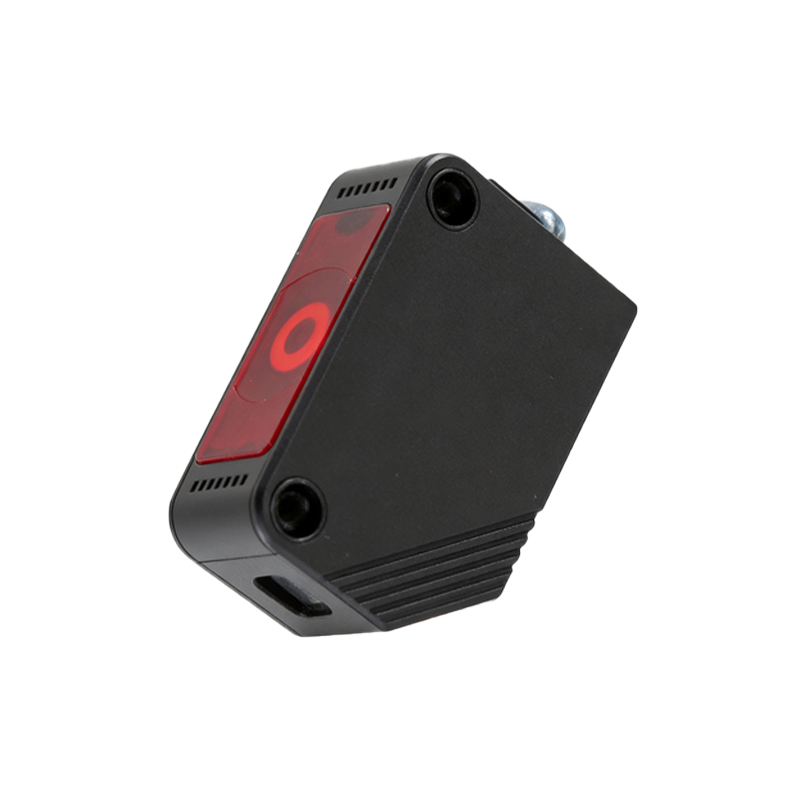
Types of Light Sources and Sensing Modes
While the basic through-beam principle is consistent, variations exist in light source and output logic. Infrared light is most common due to its invisibility and strong immunity to ambient light noise. Red or green visible LEDs are sometimes used for easier alignment and visual confirmation. Regarding output modes, sensors are configured as either "light-operate" or "dark-operate." In a light-operate (LO) mode, the output transistor is turned ON when the receiver is illuminated (slot clear). In a dark-operate (DO) mode, the output transistor turns ON when the light beam is blocked (object detected). This flexibility allows engineers to interface the sensor seamlessly with different control logic, such as programmable logic controllers (PLCs), where either a normally open or normally closed signal may be required for the application logic.
Key Performance Characteristics and Specifications
Several critical parameters define a slot sensor's suitability for an application. The slot width and depth determine the maximum size of the object that can be detected and the required mounting space. The response time, measured in microseconds, indicates how quickly the sensor can detect a passing object, which is vital for high-speed counting or sorting. The minimum detectable object, often a thin wire or small tab, is limited by the beam's width and the receiver's sensitivity. Repeatability, or the precision with which the sensor detects an object at the same point, is crucial for precision positioning. Furthermore, environmental ratings like Ingress Protection (IP) codes are essential for durability against dust, oil, and coolant sprays commonly found in industrial settings. The operating voltage range, typically 10-30V DC, and output type (NPN sinking or PNP sourcing) must match the control system's requirements.
Common Industrial Applications and Use Cases
The robustness and simplicity of slot-type photoelectric sensors lend them to a vast array of applications. In packaging machinery, they are ubiquitously used for detecting missing labels, counting products on a conveyor, or verifying the presence of a box flap. Within automated assembly lines, they serve as precise limit switches to confirm the position of a robotic arm or the insertion of a component. Printers and copiers utilize them for paper jam detection by monitoring the movement of paper through predefined paths. In textile and wire production, they detect breaks or monitor the feed of thin materials. Their ability to detect very small objects makes them perfect for verifying the presence of semiconductor leads or pharmaceutical pills. Essentially, anywhere a non-contact, reliable detection of an object's passage or position is needed, a slot-type sensor provides a proven solution.
Advantages, Limitations, and Selection Guidelines
The primary advantages of slot-type sensors include ease of installation and alignment, as the emitter and receiver are pre-aligned in a fixed housing. This eliminates the tedious alignment process required for separate emitter-receiver pairs. They are mechanically robust and less susceptible to vibration-induced misalignment. However, they do have limitations. The physical size of the sensor and the fixed slot dimensions can be a constraint in tight spaces. They are generally unsuitable for detecting large objects or for applications requiring a very long sensing range. When selecting a sensor, engineers must first define the object size and material, required response speed, environmental conditions, and the necessary electrical interface. For detecting transparent objects, a sensor with a focused beam or a specific polarization filter may be required to ensure the object adequately interrupts the light beam, as standard sensors might see through clear materials like glass or plastic film.