Understanding Proximity Sensor Types and Applications
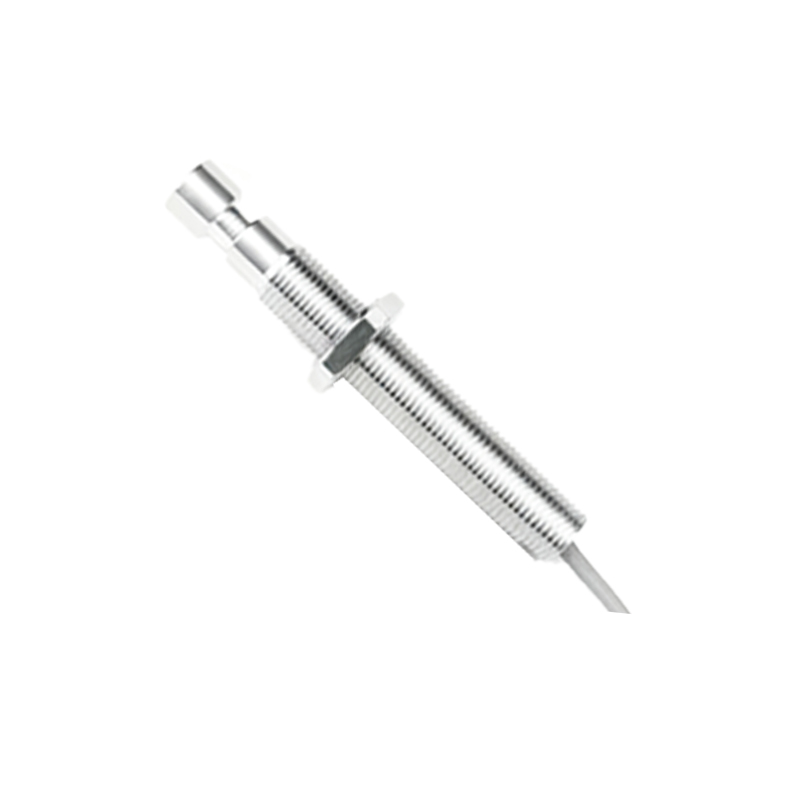
The first step in determining where to buy proximity sensors is to clearly define your application requirements. Proximity sensors are not a one-size-fits-all solution. Inductive sensors detect metallic objects, capacitive sensors can detect both metallic and non-metallic materials, and ultrasonic sensors are ideal for distance measurement and level detection. Photoelectric sensors use light beams to detect objects. Each type has specific characteristics regarding sensing range, switching frequency, environmental resistance (e.g., to oils, coolants, or dust), and output configuration (PNP/NPN, analog, IO-Link). A clear specification sheet is your most valuable tool before starting your search. Knowing whether you need a shielded or unshielded inductive sensor, or a diffuse or through-beam photoelectric sensor, will immediately narrow down potential suppliers.
Evaluating Authorized Distributors and Direct Manufacturers
For industrial-grade reliability and warranty support, purchasing from authorized distributors or directly from manufacturers is often the best route. Major global manufacturers like Siemens, Omron, Schneider Electric, Pepperl+Fuchs, and Balluff have extensive networks of certified distributors. Buying from these authorized channels guarantees that you receive genuine products, full technical documentation, and access to manufacturer warranties. Direct manufacturer sales are typically suited for large-volume OEM contracts. Distributors, on the other hand, provide value through local inventory, faster shipping for smaller quantities, and often possess strong application engineering support to help you select the right model. They are the primary link between large manufacturers and end-users in plant maintenance or project-based work.
Leveraging Specialized Industrial Suppliers and Catalogs
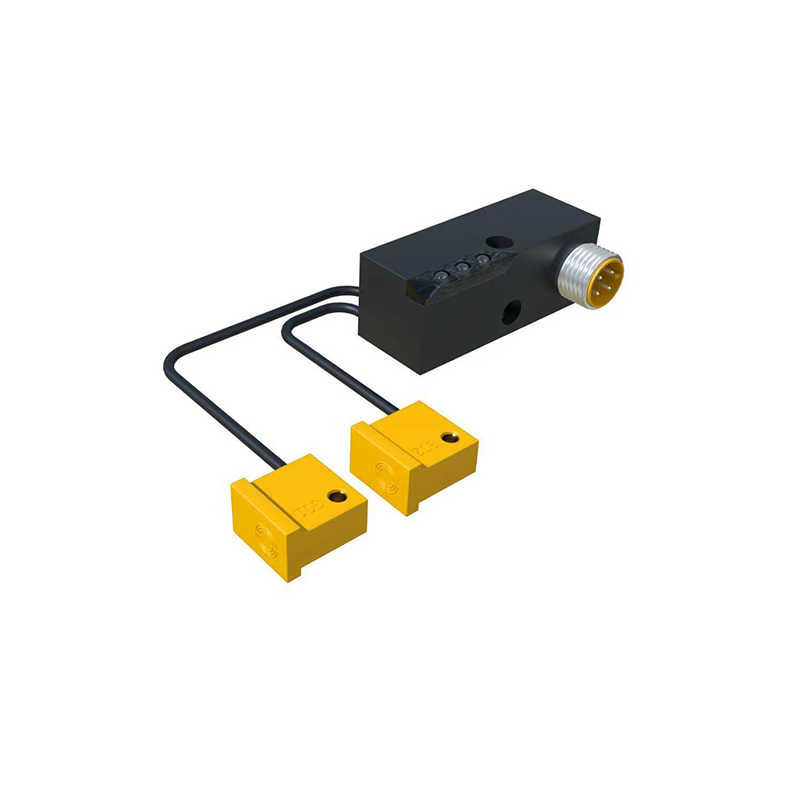
Beyond broad-line electronic component distributors, specialized industrial automation suppliers are excellent sources. Companies like Allied Electronics & Automation, RS Components, Digi-Key, and Grainger (in North America) or Farnell and Bürkert internationally, maintain vast catalogs with detailed parametric search filters. These platforms allow you to filter sensors by type, sensing distance, housing material, connection type, and price. They cater specifically to engineers and procurement specialists, offering robust search tools, detailed datasheets, and CAD models for integration into design software. For standard, off-the-shelf sensor needs, these suppliers offer a convenient one-stop-shop with reliable logistics and customer service tailored to B2B transactions.
Considering Online Marketplaces with Caution
General online marketplaces like Amazon Business or eBay can be tempting due to perceived low prices and fast shipping. However, extreme caution is advised for critical industrial components. While you may find legitimate sellers, the risk of receiving counterfeit, refurbished, or incorrectly specified sensors is significantly higher. These platforms may lack the technical support and traceability required for industrial automation. If you must use them, prioritize sellers that are explicitly listed as authorized distributors or have overwhelmingly positive feedback from industrial buyers. Always verify part numbers meticulously and be wary of prices that seem too good to be true, as they often indicate non-genuine products that could fail prematurely and cause costly downtime.
Assessing Supplier Reliability and Support Services
The "best" place to buy is not just about the product on the shelf; it's about the total value provided by the supplier. Key assessment criteria include technical support availability, sample policies, lead times for standard and custom products, return policies for incorrect orders, and the quality of documentation provided. A reliable supplier will have knowledgeable application engineers who can answer technical questions. They should provide easy access to datasheets, installation manuals, and 2D/3D models. For ongoing projects, consider suppliers that offer vendor-managed inventory (VMI) programs or consignment stock to reduce your inventory carrying costs and ensure part availability.
Balancing Cost, Quality, and Lead Time
The procurement decision often comes down to a balance between cost, quality, and lead time. Direct or authorized channels may have higher unit costs but offer the lowest risk and longest-term reliability. Specialized catalogs may offer competitive pricing with good availability. For non-critical applications or prototyping, alternative brands or marketplace options might be acceptable. Always factor in the total cost of ownership, which includes not just the purchase price, but also the cost of installation, potential downtime from sensor failure, and maintenance. Establishing a relationship with a trusted distributor can often yield better pricing over time and prioritized support during supply chain disruptions, which is more valuable than a one-time low price from an unknown source.