Introduction to Photoelectric Sensors
Photoelectric sensors are electronic devices that detect the presence, absence, or distance of objects using a light transmitter and receiver. In home automation, these sensors have become integral for controlling lighting systems efficiently. They operate by emitting a beam of light—often infrared, visible, or laser—and measuring the reflection or interruption to trigger actions. Unlike traditional switches, photoelectric sensors enable hands-free operation, enhancing convenience and energy savings. Their application in residential settings ranges from simple porch lights to sophisticated whole-house automation, providing a seamless blend of technology and daily living. The core principle relies on the modulation of light, which ensures high accuracy and reliability even in varying environmental conditions.
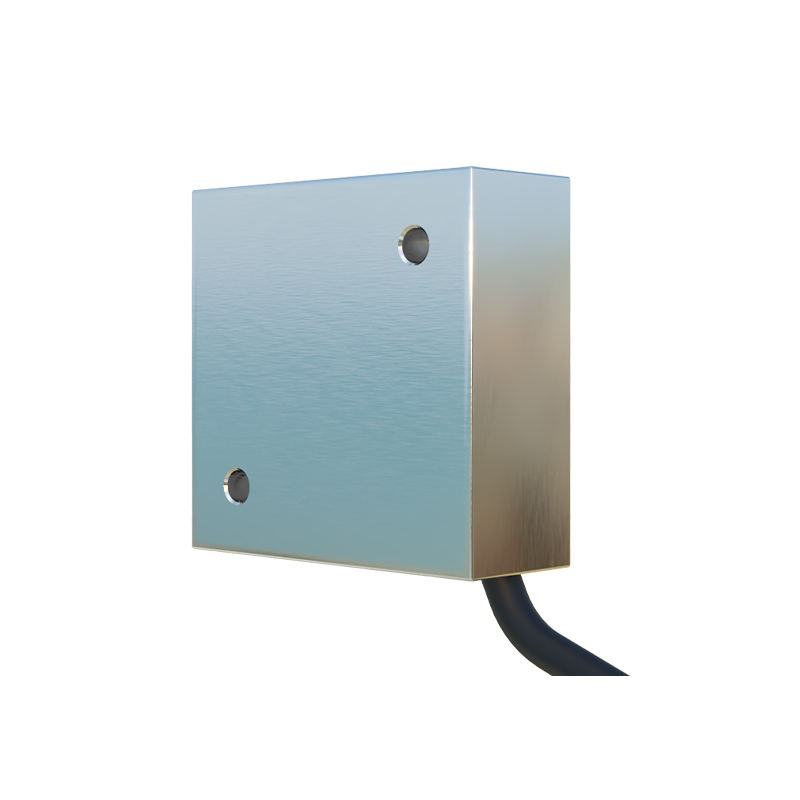
Working Principles and Components
A typical photoelectric sensor consists of three main components: an emitter, a receiver, and a control circuit. The emitter projects a light beam toward a target area. When an object, such as a person, enters the beam's path, it reflects or blocks the light, which is then detected by the receiver. The control circuit processes this signal to activate or deactivate the connected lighting system. There are three primary sensing modes: through-beam, retro-reflective, and diffuse reflective. Through-beam sensors use separate units for emitting and receiving, offering long-range detection. Retro-reflective models employ a reflector to bounce light back, while diffuse reflective types rely on direct reflection from the object itself. For home lighting, diffuse reflective sensors are commonly used due to their compact design and ease of installation in spaces like hallways or rooms.
Integration with Home Lighting Systems
Integrating photoelectric sensors into home lighting involves connecting them to control units that manage light fixtures based on occupancy or ambient light levels. Modern systems often use microcontrollers or smart home hubs, such as those compatible with Zigbee or Wi-Fi protocols, to enable automated scheduling and remote adjustments. For instance, sensors can be programmed to turn lights on when motion is detected at night and off after a period of inactivity, reducing energy waste. Additionally, they can work in tandem with daylight harvesting systems, where sensors measure natural light and dim artificial lights accordingly. This integration not only enhances comfort but also contributes to significant cost savings over time, with some studies showing up to 30% reduction in household energy usage.
Benefits of Sensor-Controlled Lighting
The adoption of photoelectric sensors in home lighting offers numerous advantages. Firstly, it promotes energy efficiency by ensuring lights are only active when needed, cutting down on electricity consumption. Secondly, it increases safety and security by illuminating pathways during movement, deterring potential intruders. Thirdly, it provides convenience for occupants, particularly in areas like garages or closets where hands may be full. Moreover, these systems reduce wear and tear on physical switches, extending the lifespan of lighting fixtures. From an environmental perspective, lower energy usage translates to reduced carbon footprints, aligning with sustainable living goals. Overall, sensor-controlled lighting represents a smart investment for modern homeowners seeking both practicality and innovation.
Installation and Maintenance Considerations
Installing photoelectric sensors requires careful planning to optimize performance. Key factors include placement height, angle, and avoidance of obstructions that could cause false triggers. For indoor use, sensors are typically mounted near entry points or in high-traffic areas, with a clear line of sight. It's essential to follow manufacturer guidelines for wiring and compatibility with existing electrical systems. Maintenance is generally minimal, involving periodic cleaning of lenses to prevent dust buildup that might impair sensitivity. Troubleshooting common issues, such as intermittent operation, often involves checking power supplies or recalibrating detection ranges. With proper setup, these sensors can operate reliably for years, making them a low-maintenance addition to home automation setups.
Future Trends and Innovations
The future of photoelectric sensors in home lighting is poised for exciting advancements. Emerging technologies include AI-enhanced sensors that learn occupancy patterns and adjust lighting dynamically for personalized experiences. Integration with IoT platforms will allow for more granular control, such as syncing with other smart devices like thermostats or security cameras. Additionally, developments in miniaturization and power efficiency may lead to wireless, battery-operated sensors that are easier to install in retrofit projects. Research is also focusing on multi-spectral sensors capable of detecting not just motion but also environmental factors like humidity or temperature, further optimizing home energy management. As these innovations mature, photoelectric sensors will likely become even more ubiquitous in smart homes worldwide.