Introduction to Photoelectric Sensor Operation
Photoelectric sensors are fundamental components in industrial automation, utilizing light beams to detect the presence, absence, or distance of objects. Their operation hinges on the emission of light—often infrared, visible red, or laser—from a transmitter and the reception of this light by a receiver. When an object interrupts or reflects this light beam, it triggers a change in the sensor's output state. This output is typically managed through electrical contacts, which are classified as either Normally Open (NO) or Normally Closed (NC). Understanding the distinction between these two contact configurations is critical for proper system design, safety, and functionality across diverse applications, from packaging lines to safety curtains.
Defining Normally Open (NO) Contacts
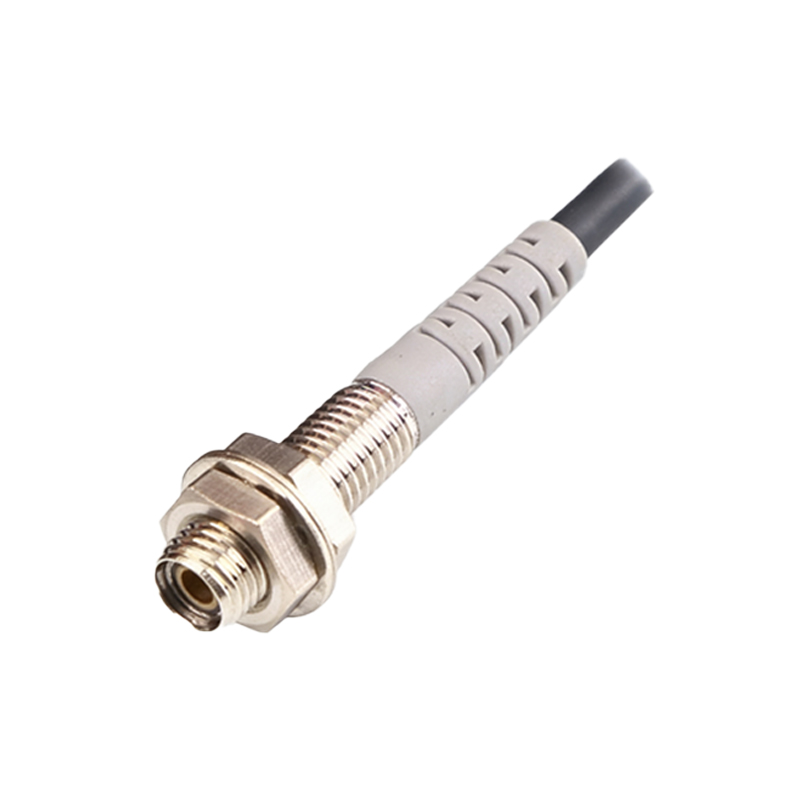
A Normally Open (NO) contact refers to a switch or output circuit that is in an "open" or non-conducting state when the sensor is in its normal, non-activated condition. In the context of a photoelectric sensor, "normal" means no target object is present within its sensing range to interrupt or reflect the light beam appropriately. In this idle state, the circuit is broken, and no current flows through the output. When a target object is detected—breaking the beam in a through-beam sensor or reflecting light back in a retro-reflective or diffuse sensor—the sensor activates. This activation closes the NO contact, completing the circuit and allowing current to flow, thereby sending a signal to the connected controller, such as a PLC (Programmable Logic Controller), to indicate "object detected."
Defining Normally Closed (NC) Contacts
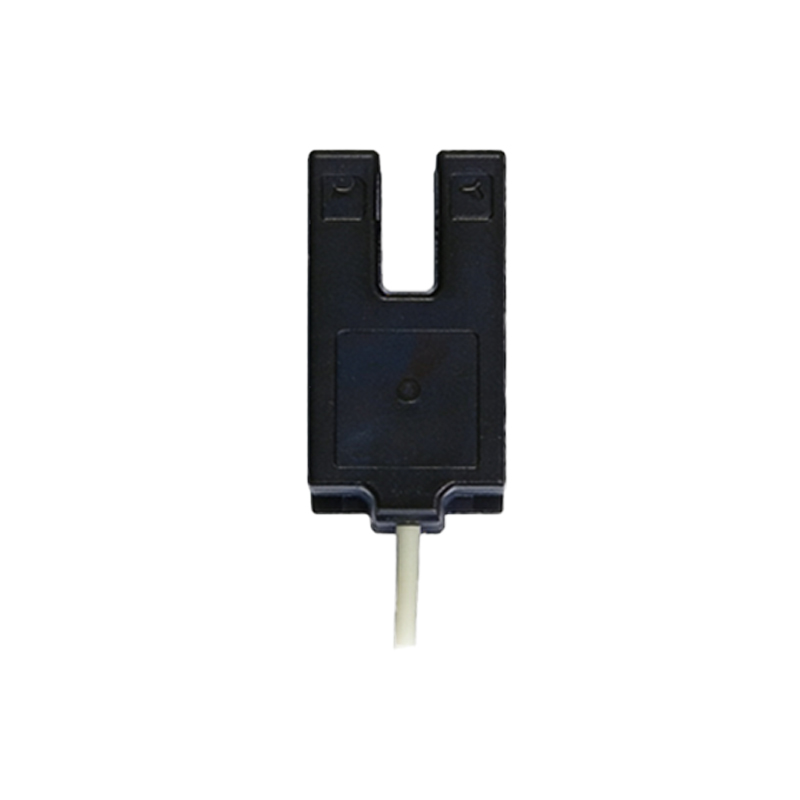
Conversely, a Normally Closed (NC) contact is in a "closed" or conducting state when the sensor is in its normal, non-activated condition. With no target object present, the circuit is complete, and current flows continuously through the output. The detection of an object causes the sensor to activate and *open* the NC contact. This action breaks the circuit, stops the current flow, and signals the controller by the absence of the previously continuous signal. This "signal-on-break" logic is the inverse of the NO configuration. It is often described as providing a "keep-alive" signal that is lost upon detection.
Key Functional Differences and Applications
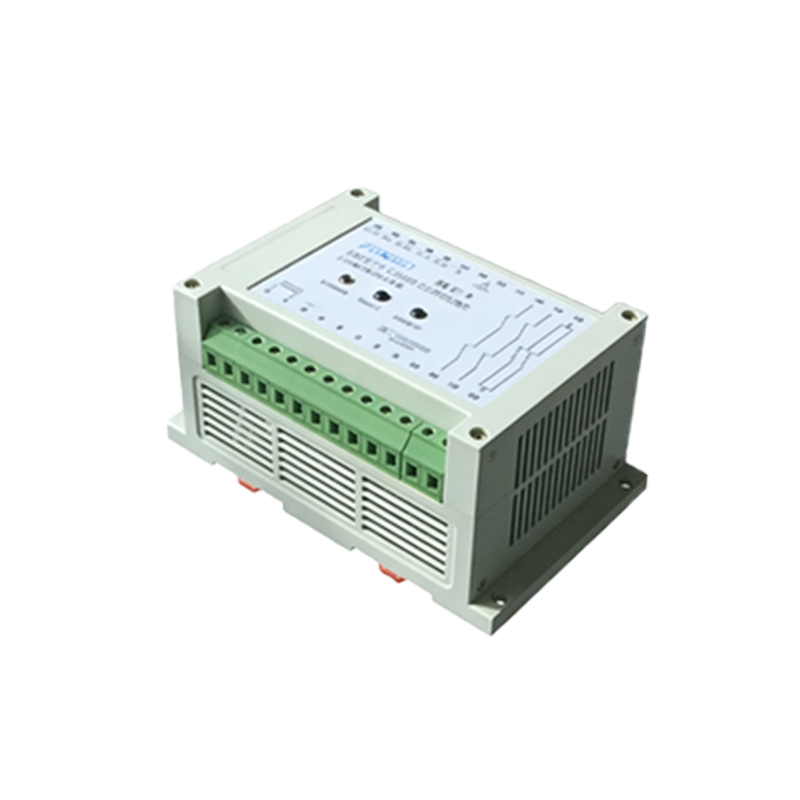
The choice between NO and NC contacts is not arbitrary but driven by specific application requirements, primarily focusing on safety and fail-safe operation. NO contacts are typically used in standard detection tasks where an action should initiate upon object presence. For example, counting bottles on a conveyor or triggering a solenoid to divert a box. NC contacts, however, are paramount in safety-critical and monitoring applications. A classic example is a safety light curtain guarding a hazardous machine area. The curtain emits a continuous beam; as long as the beam is unbroken (no person in the danger zone), the NC contact remains closed, allowing the machine to operate. If the beam is broken, the contact opens immediately, sending a stop signal to the machine's emergency circuit. This design is fail-safe because a fault—like a severed wire, power loss, or lens contamination—mimics a broken beam, causing the contact to open and shutting down the process safely.
Wiring and Electrical Considerations
Modern photoelectric sensors often feature configurable outputs, allowing users to select between NO, NC, or both via a switch or software. The wiring diagrams differ significantly. For a 3-wire DC sensor (Brown: +V, Blue: 0V, Black: Output), the black wire's behavior changes. In NO mode, it acts as a switching positive; voltage appears on it only upon detection. In NC mode, it provides a continuous switching positive when no object is present, which disappears upon detection. For 2-wire AC/DC sensors, the device itself is in series with the load. An NO configuration means the sensor acts as an open switch until detection, while an NC configuration acts as a closed switch until detection. Always consult the manufacturer's datasheet for precise wiring and load specifications.
Selection Criteria for Optimal Performance
Selecting the correct contact type involves a systematic evaluation. First, determine the required logic for the control system: should the output be active (on) or inactive (off) when an object is detected? Second, and most crucially, perform a risk assessment for fail-safe requirements. If a sensor failure must default to a "safe" state (usually meaning machine stoppage), an NC configuration is typically mandated. Third, consider the default state of the connected logic in the PLC. Some programmers prefer a "1" for detection, often aligning with NO, while others design systems expecting a "0" for an alarm condition, aligning with NC. Finally, account for the sensor's environment; in dirty conditions where lens occlusion is likely, an NC circuit can provide an early warning of performance degradation.
Conclusion and Best Practices
In summary, Normally Open and Normally Closed contacts define the fundamental logic relationship between a photoelectric sensor's detection event and its electrical output signal. NO contacts close upon detection, providing a positive signal. NC contacts open upon detection, interrupting a continuous signal. The NC configuration is the cornerstone of fail-safe design in industrial safety systems. Best practices dictate: always default to NC for safety-related monitoring, clearly document the chosen logic in system schematics, and thoroughly test the sensor's behavior under both normal and simulated fault conditions (e.g., disconnecting power, blocking the lens) to verify the system responds as intended, ensuring both operational efficiency and personnel safety.