Introduction to Photoelectric Sensors
Photoelectric sensors are indispensable components in modern industrial automation, playing a critical role in object detection, positioning, and counting. These devices operate by emitting a beam of light, typically infrared, visible red, or laser, and detecting changes in the received light signal caused by the presence or absence of a target object. The core principle involves a transmitter and a receiver. The reliability and precision of these sensors directly impact the efficiency, safety, and throughput of automated systems. From packaging lines and material handling to automotive assembly and pharmaceutical production, photoelectric sensors provide non-contact, high-speed detection solutions for a vast array of applications. Their ability to detect a wide range of materials, including glass, metal, plastic, and liquids, makes them exceptionally versatile. As industries push for greater precision and faster cycle times, the demand for high-quality, dependable photoelectric sensors continues to grow exponentially.
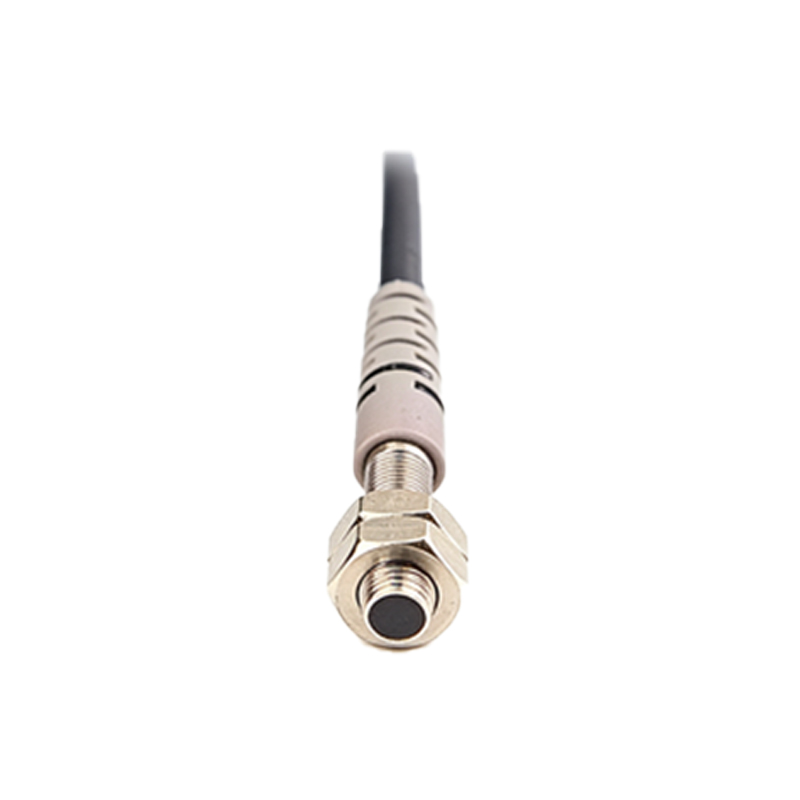
Benefits of Sourcing from a Direct Manufacturer
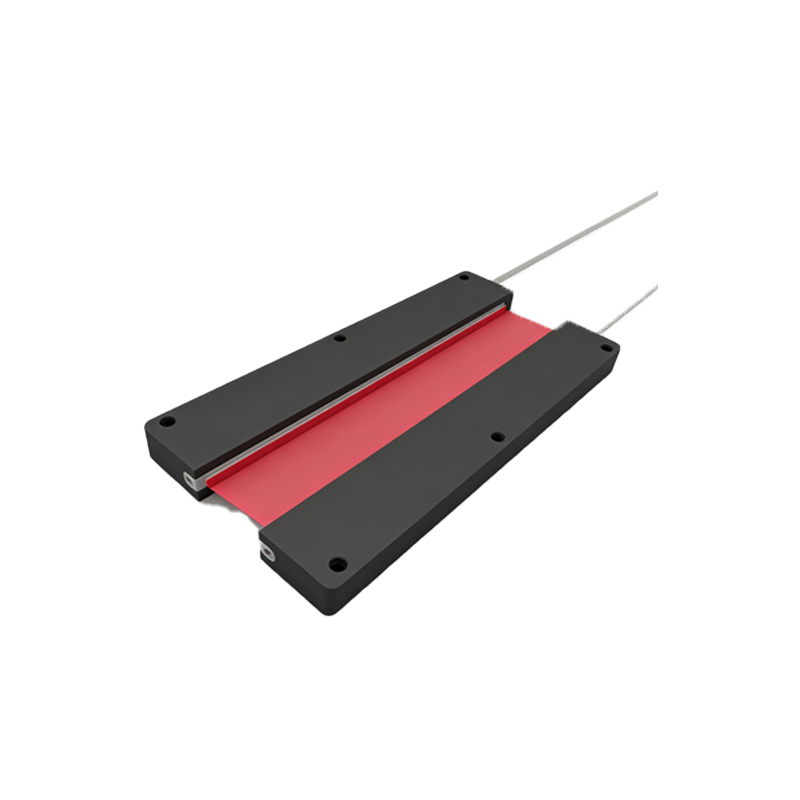
Procuring photoelectric sensors directly from the manufacturer offers significant advantages over traditional distributor channels. The most compelling benefit is cost efficiency. By eliminating intermediary markups, clients can achieve substantial savings, making high-quality automation components more accessible for both large-scale deployments and smaller projects. Furthermore, direct engagement with the factory provides unparalleled access to technical expertise and product knowledge. Engineers and product managers can offer in-depth application support, ensuring the selected sensor model is perfectly suited to the specific environmental conditions and detection requirements. This direct line of communication also facilitates faster response times for technical inquiries, custom configuration requests, and troubleshooting, leading to reduced downtime. Additionally, manufacturers often have greater flexibility to accommodate custom orders, whether for special sensing ranges, unique housing materials, or specific connector types, providing solutions that off-the-shelf products cannot.
Key Features of a Quality Manufacturer
Identifying a reputable photoelectric sensor manufacturer requires scrutiny of several key attributes. First and foremost is rigorous quality control. A top-tier manufacturer employs stringent testing protocols throughout the production process, from component sourcing to final assembly. Look for certifications such as ISO 9001, which demonstrates a commitment to consistent quality management systems. The robustness of the product design is another critical factor. High-quality sensors feature durable housings, often made from stainless steel or rugged polymers, with high ingress protection (IP) ratings (e.g., IP67, IP69K) to withstand harsh industrial environments involving dust, moisture, and washdowns. Advanced optical design, utilizing premium lenses and stable light sources, ensures consistent performance and long-term reliability. Finally, a comprehensive product portfolio is indicative of a serious manufacturer. This includes a wide range of sensing modes (diffuse, retro-reflective, through-beam), various output types (NPN, PNP, analog, IO-Link), and specialized variants for challenging applications like background suppression, color detection, or luminescence sensing.
Application-Specific Considerations
Selecting the right photoelectric sensor is not a one-size-fits-all process; it demands careful analysis of the application. The first consideration is the sensing mode. Through-beam sensors, with separate emitter and receiver units, offer the longest sensing ranges and highest reliability for clear object detection. Retro-reflective models use a reflector and are ideal for medium-range tasks. Diffuse sensors, with the emitter and receiver in one housing, are perfect for short-range detection where installing a reflector or receiver is impractical. Environmental factors are paramount. Will the sensor be exposed to extreme temperatures, corrosive chemicals, or heavy vibration? The housing material and IP rating must be specified accordingly. The target object's properties—its size, color, material, and surface finish—directly influence the choice of light source (e.g., red light for general purpose, laser for precision, infrared for transparency detection). For high-speed production lines, the sensor's response time and switching frequency are critical performance metrics that cannot be overlooked.
The Direct Sales Process and Support
Engaging with a manufacturer through a direct sales channel typically follows a structured, collaborative process. It begins with a detailed consultation where application engineers work closely with the client to understand the specific technical challenges, environmental conditions, and performance expectations. Based on this analysis, the manufacturer recommends the most suitable sensor models from their catalog or proposes a customized solution. Prototypes or evaluation units are often available for testing in the client's actual working environment. Upon confirmation, the manufacturing process proceeds with the agreed specifications. A key advantage of this model is the continuity of support. Post-sales service includes comprehensive documentation, wiring diagrams, and software tools for configuration. Technical support teams are directly available to assist with installation, calibration, and any operational issues, ensuring optimal performance throughout the sensor's lifecycle. This end-to-end partnership fosters long-term reliability and system integration success.
Future Trends in Photoelectric Sensing
The landscape of photoelectric sensing is continuously evolving, driven by the demands of Industry 4.0 and smart manufacturing. Leading manufacturers are integrating advanced functionalities into their sensors. The adoption of IO-Link communication is a significant trend, transforming standard sensors into intelligent devices that can transmit detailed process data, diagnostic information, and parameter sets to a central control system. This enables predictive maintenance, remote configuration, and enhanced process transparency. Furthermore, there is a growing emphasis on miniaturization, allowing sensors to fit into increasingly compact machinery without sacrificing performance. Enhanced background suppression algorithms and multi-object discrimination capabilities are improving detection accuracy in complex scenarios. As factories become more connected, the role of the photoelectric sensor expands from a simple switch to a critical data point within the Industrial Internet of Things (IIoT) ecosystem, and forward-thinking direct manufacturers are at the forefront of this innovation.