What is a Proximity Sensor?
A proximity sensor is an electronic device designed to detect the presence or absence of an object within a specific range without any physical contact. It operates by emitting an electromagnetic field, beam of electromagnetic radiation (like infrared), or ultrasonic sound waves, and then looks for changes in the field or return signal. The primary function is to sense "how close" or "how far" an object is. These sensors are ubiquitous in industrial automation, consumer electronics, and automotive systems. For instance, they are used to stop an elevator door from closing when someone is in the way, detect when a smartphone is held to the ear to turn off the screen, or count objects on a conveyor belt in a factory. Their output is typically a simple digital signal (on/off) or an analog signal proportional to distance.
What is a Microphone?
A microphone, fundamentally, is an acoustic sensor or transducer. Its core purpose is to convert sound waves—which are variations in air pressure—into an electrical signal. It "hears" audio. Microphones do not measure distance or proximity; they capture sound for purposes like communication (phone calls, video conferencing), recording (music, podcasts), or noise analysis. Common types include dynamic, condenser, and MEMS (Micro-Electro-Mechanical Systems) microphones. In a smartphone, the microphone is the component you speak into during a call. It is sensitive to a wide range of audio frequencies and is designed to faithfully reproduce the acoustic waveform as an electrical analog.
Core Technological Principles: Sensing vs. Listening
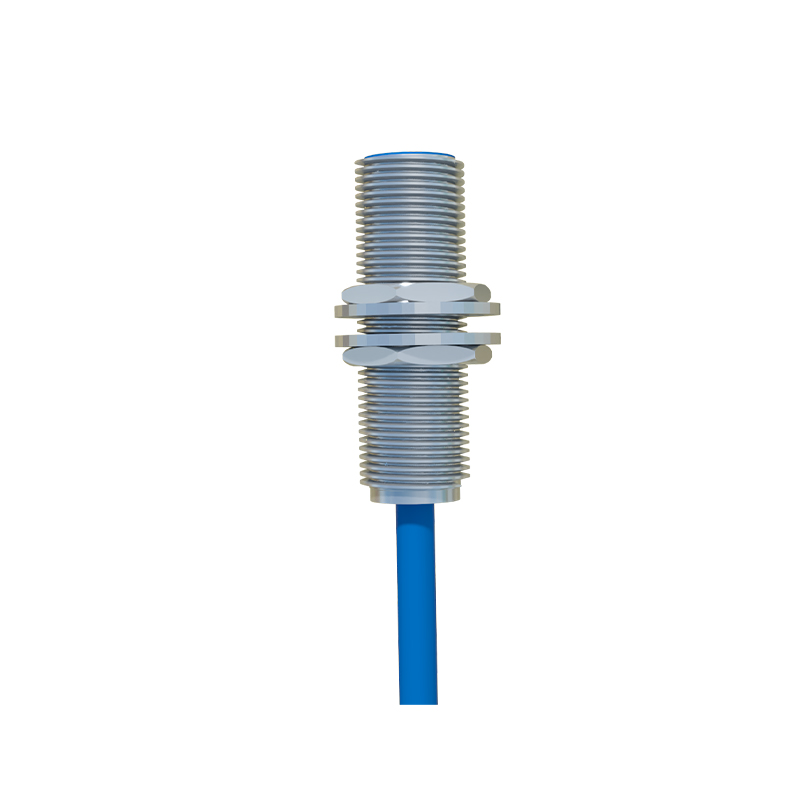
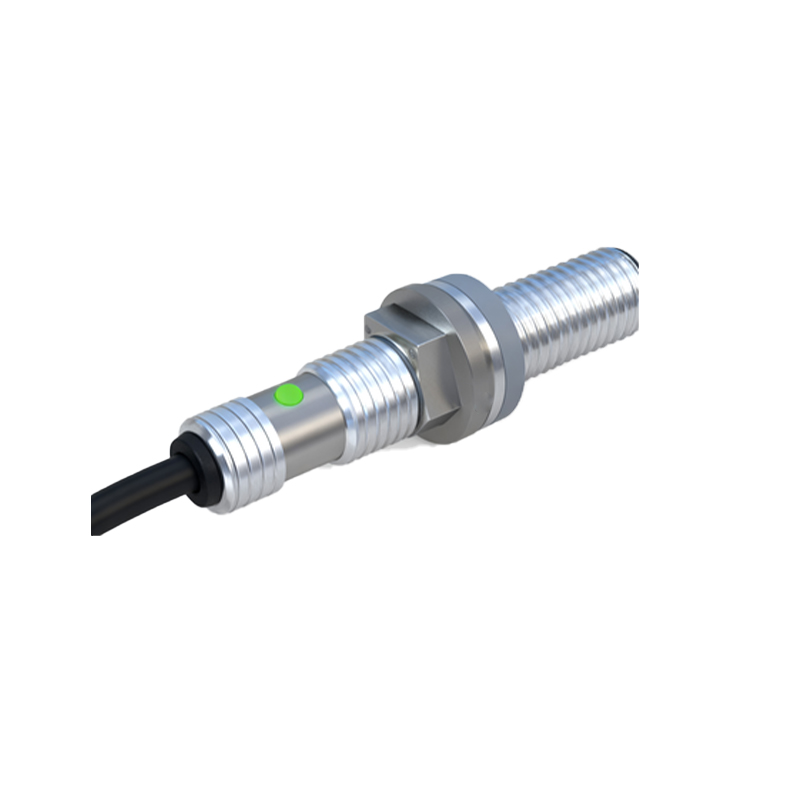
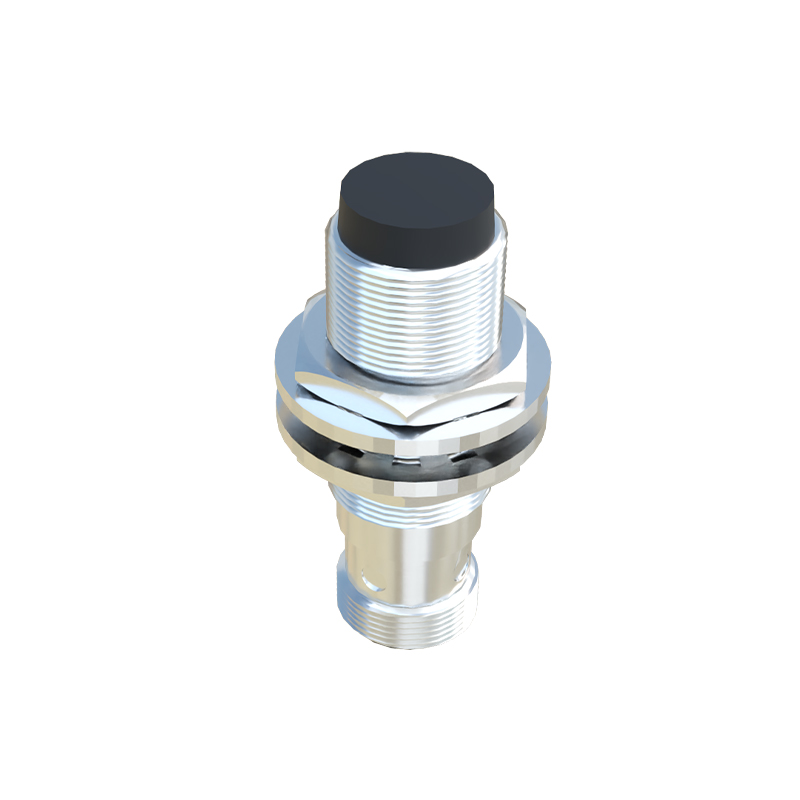
The confusion between the two might arise because some proximity sensors use ultrasonic sound, and microphones detect sound. However, their operational principles and intent differ drastically. An inductive proximity sensor generates an oscillating electromagnetic field; a metallic object entering this field induces eddy currents, which the sensor detects. A capacitive sensor detects changes in capacitance caused by a conductive or non-conductive object. An ultrasonic proximity sensor emits high-frequency sound pulses and measures the time for the echo to return to calculate distance. Crucially, it is not "listening" to audible sound; it is timing a specific, self-generated pulse. A microphone, in contrast, is a passive receiver (in most cases) of ambient sound pressure across a broad spectrum, with no inherent ability to determine the distance to the sound source.
Common Application Contexts and Potential Overlap
The most common point of intersection is in modern smartphones. A typical smartphone contains several microphones (for calls, noise cancellation, video recording) and at least one proximity sensor (usually an infrared LED and photodetector pair). The proximity sensor is placed near the earpiece. When you make a call and bring the phone to your ear, the sensor detects the closeness of your head and signals the processor to turn off the touchscreen to prevent accidental cheek-presses. The microphone, located elsewhere (often at the bottom), is actively transmitting your voice. They work in tandem but perform entirely separate functions. One senses presence, the other captures audio. They are distinct components on the phone's logic board.
Why the Distinction Matters in Engineering
For an electrical engineer designing a system, conflating a proximity sensor with a microphone would lead to a fundamental design failure. Selecting a component requires matching specifications to the required function. If you need to detect an object 10mm away on an assembly line, you would specify a precise inductive or capacitive proximity sensor with the correct sensing range and output type. If you need to capture voice commands, you would select a microphone with appropriate sensitivity, frequency response, and signal-to-noise ratio. Their signal conditioning circuits, power requirements, and data interfaces are completely different. Understanding this distinction is critical for proper system integration, troubleshooting, and component sourcing.
Conclusion: Complementary, Not Interchangeable
In summary, a proximity sensor is not a microphone, and a microphone is not a proximity sensor. They are fundamentally different transducers serving different physical measurement domains: distance versus sound pressure. While they may be found in the same device (like a smartphone) and their names might sound vaguely similar to a layperson, their roles are complementary rather than interchangeable. The proximity sensor acts as a silent sentinel for presence detection, while the microphone serves as an attentive ear for audio capture. Recognizing this difference is essential for anyone involved in the design, application, or maintenance of electronic systems.