Introduction to High Precision Proximity Sensors
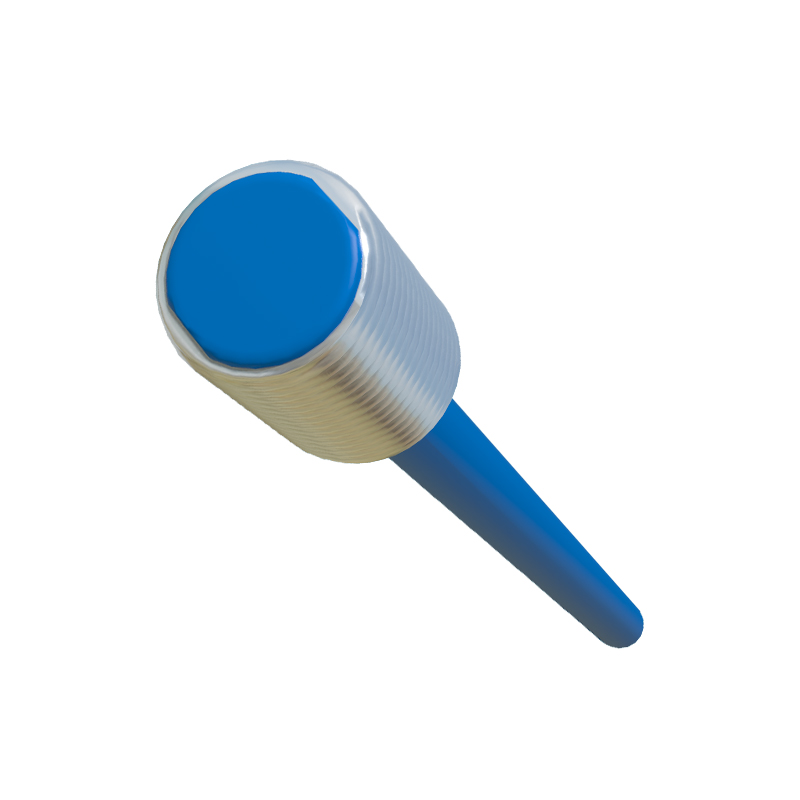
High precision proximity sensors represent a critical component in the automation and control systems of modern industry. These devices are engineered to detect the presence or absence of an object within a specified sensing range without any physical contact. The term "high precision" denotes an exceptional level of accuracy, repeatability, and reliability in measurement and detection. Manufacturers in this specialized field are continuously pushing the boundaries of technology to develop sensors that can operate in increasingly demanding environments, offering micron-level resolution, high-speed response times, and robust immunity to environmental interference such as dust, oil, and electromagnetic noise. The core technologies employed include inductive, capacitive, ultrasonic, and photoelectric principles, each selected based on the target material and application requirements.
Key Technological Innovations by Leading Manufacturers
Leading high precision proximity sensor manufacturers are driving innovation through several key technological avenues. The development of advanced ASICs (Application-Specific Integrated Circuits) has allowed for smarter sensors with embedded diagnostics, temperature compensation, and digital communication protocols like IO-Link. This enables real-time data exchange and parameter adjustment, facilitating predictive maintenance and seamless integration into Industry 4.0 frameworks. Furthermore, innovations in housing materials and sealing techniques (achieving IP67, IP69K ratings) ensure durability in harsh conditions. Another significant trend is miniaturization; manufacturers are producing incredibly small sensors without compromising on sensing range or performance, enabling their use in compact machinery and intricate assembly processes. The integration of background suppression technology in photoelectric sensors and the use of specialized coil designs in inductive sensors for non-ferrous metal detection are examples of application-specific innovations.
Critical Selection Criteria for Industrial Applications
Selecting the appropriate high precision proximity sensor requires a meticulous evaluation of several parameters. The sensing distance, often specified as a nominal value, must be considered alongside factors like the target material's composition, size, and shape. Repeatability, defined as the sensor's ability to consistently detect an object at the same point, is paramount for precision tasks. Response time, the delay between detection and output signal switching, is crucial for high-speed production lines. Environmental factors are equally critical; manufacturers provide detailed specifications regarding operating temperature ranges, resistance to chemicals, shock, and vibration. The type of output (e.g., NPN, PNP, analog, or digital) and the electrical requirements must match the control system. Consulting with manufacturer application engineers is often essential to navigate these criteria and avoid costly misapplications.
Primary Industrial Sectors and Use Cases
The applications for high precision proximity sensors are vast and span numerous industries. In automotive manufacturing, they are indispensable for robotic welding, part presence verification on assembly lines, and precise positioning in engine block machining. The semiconductor and electronics industry relies on them for wafer handling, PCB assembly, and micro-component placement where even nanometer-level variance is unacceptable. Packaging machinery utilizes these sensors for label detection, fill-level control, and cap positioning. In metalworking, they control tool positioning and detect broken tools. Furthermore, they play a vital role in automated guided vehicles (AGVs) for navigation and obstacle detection, and in renewable energy systems for monitoring turbine blade position. Each sector demands specific performance characteristics, driving manufacturers to offer extensive and specialized product portfolios.
The Manufacturing Process and Quality Assurance
The production of high precision proximity sensors is a complex process demanding rigorous quality control. It begins with the design and fabrication of sensitive detection elements, such as oscillating coils or photodiodes. Precision machining creates the sensor housing, followed by the careful assembly of electronic components onto printed circuit boards. Potting compounds are often used to protect electronics from moisture and mechanical stress. Calibration is a critical step, where each sensor is tested and adjusted to meet exact performance specifications. Reputable manufacturers implement statistical process control (SPC) throughout production and subject finished products to 100% functional testing under simulated operational conditions. Certifications like ISO 9001 are standard, and many adhere to industry-specific standards for functional safety (e.g., SIL ratings). This end-to-end control is what distinguishes top-tier manufacturers and ensures product reliability.
Future Trends and Market Outlook
The future for high precision proximity sensor manufacturers is intrinsically linked to the evolution of smart factories and the Industrial Internet of Things (IIoT). The demand for sensors with integrated intelligence and connectivity will continue to grow. We anticipate wider adoption of sensors with built-in condition monitoring capabilities that can report their own health status. Advances in materials science may lead to sensors capable of withstanding even more extreme temperatures and corrosive environments. Furthermore, the convergence of sensing technologies—combining proximity detection with vision or temperature measurement in a single unit—is an emerging trend. As industries strive for greater efficiency, zero-defect production, and flexible manufacturing