Introduction to Proximity Sensing Technology
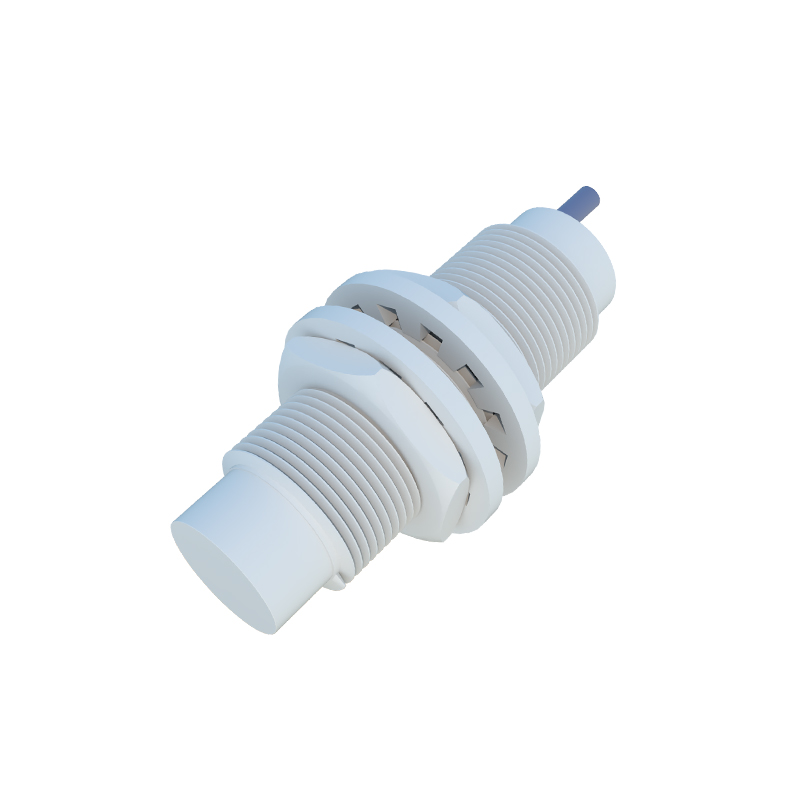
Proximity sensing has become a cornerstone technology in modern industrial automation, consumer electronics, and safety systems. At its core, a proximity sensor detects the presence or absence of an object within a specified range without physical contact. The X50 Proximity Light Sensor represents a significant advancement in this field, utilizing modulated infrared (IR) light to achieve high-precision, reliable detection. Unlike basic photoelectric sensors, the X50 employs a sophisticated combination of an IR LED emitter and a phototransistor receiver, tuned to a specific frequency. This design allows it to effectively filter out ambient light interference, a common challenge in industrial environments. Its ability to provide consistent performance under varying environmental conditions makes it a preferred component for engineers designing robust systems.
Technical Specifications and Operating Principles
The X50 sensor operates on the principle of light reflection. The internal IR LED emits a beam of infrared light. When an object enters the detection field, this light is reflected back towards the sensor. The integrated phototransistor detects this reflected signal. The onboard circuitry then processes this signal to determine the object's presence. Key technical specifications of the X50 include a sensing distance of up to 50mm, adjustable via external potentiometer or digital interface. It typically operates on a DC voltage range of 5V to 24V, offering compatibility with a wide array of control systems. The response time is exceptionally fast, often below 1ms, which is critical for high-speed automation applications. Furthermore, its output can be configured as either a digital (NPN/PNP) or analog signal, providing flexibility for different control logic requirements.
Circuit Integration and Interface Considerations
Integrating the X50 into an electrical system requires careful consideration of its interface. The sensor usually features three or four wires: Vcc (power supply), GND (ground), Output, and sometimes a separate wire for output configuration or diagnostics. For digital output models, a pull-up resistor is often necessary when connecting to microcontroller input pins like those on an Arduino or PLC digital input module. The output signal switches from a high to low state (or vice versa, depending on the configuration) upon detection. For analog variants, the output voltage varies proportionally with the distance to the detected object, enabling precise distance measurement. Engineers must ensure proper shielding and cable routing to minimize electromagnetic interference (EMI), which can cause false triggering in sensitive applications.
Application Scenarios in Industrial Automation
The robustness and accuracy of the X50 Proximity Light Sensor make it indispensable in numerous industrial settings. A primary application is object detection on conveyor belts, where it counts products, verifies placement, or triggers robotic arms for pick-and-place operations. In packaging machinery, it ensures that boxes or containers are correctly positioned before sealing or labeling. The sensor is also vital in safety systems, such as light curtains, where it helps detect personnel entering hazardous zones around machinery, prompting an immediate shutdown. Its non-contact nature is perfect for detecting fragile items or in cleanroom environments where contamination must be avoided. In assembly lines, it verifies the presence of components before a critical assembly step, preventing errors and improving quality control.
Environmental Robustness and Calibration
A standout feature of the X50 is its environmental resilience. The housing is typically rated at IP67, making it dust-tight and capable of withstanding temporary immersion in water. This allows for reliable operation in harsh conditions like washdown areas in food processing plants or outdoor installations. The sensor's modulated light technology inherently rejects interference from ambient light sources, including sunlight and fluorescent lamps. However, certain materials can pose challenges; dark, non-reflective, or transparent objects (like glass or clear plastic) may not reflect IR light effectively. For such cases, careful calibration of the sensing threshold or the use of a retro-reflective accessory might be necessary. Regular maintenance involves lens cleaning to prevent dust or grime buildup that could attenuate the light signal.
Advantages Over Alternative Sensor Types
When selecting a sensor, engineers often compare inductive, capacitive, ultrasonic, and photoelectric options. The X50 Proximity Light Sensor offers distinct advantages. Compared to inductive sensors, which only detect metals, the X50 can detect virtually any material that reflects light. Versus capacitive sensors, which are sensitive to moisture and material density, the X50 provides more consistent performance with non-conductive objects. While ultrasonic sensors have longer ranges, they are generally slower and more susceptible to temperature variations and acoustic noise. The X50 strikes an optimal balance of speed, cost, and versatility. Its compact form factor allows for installation in space-constrained locations where other sensors might not fit.