Introduction to Square Proximity Sensors
Square proximity sensors are essential components in modern industrial automation, designed to detect the presence or absence of objects without physical contact. Unlike cylindrical sensors, their square or rectangular housing offers advantages in mounting and integration, especially in confined spaces. These sensors operate on various principles, including inductive, capacitive, and photoelectric technologies, with inductive types being most common for metal detection. Their robust construction typically features IP67 or higher ingress protection, making them suitable for harsh environments like manufacturing floors, automotive assembly lines, and packaging machinery. The square shape allows for easier installation on flat surfaces, reducing the need for additional brackets and enhancing stability in high-vibration settings.
Core Operating Principles
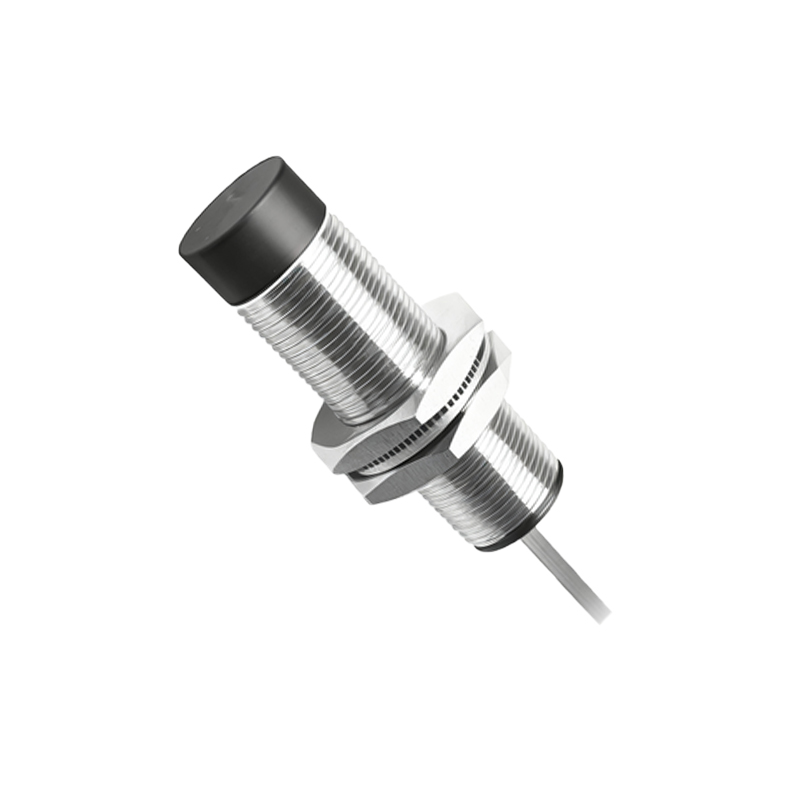
Inductive square proximity sensors generate an electromagnetic field to detect metallic objects, while capacitive versions sense materials like plastics or liquids by measuring changes in capacitance. Photoelectric square sensors use light beams for detection, ideal for non-metallic items. The square design often incorporates multiple sensing faces, enabling detection from different angles without repositioning. Key specifications include sensing range, response time, and output types (e.g., PNP/NPN or analog). For instance, a typical inductive square sensor might have a range of 5-15 mm and a response time under 1 ms, ensuring rapid feedback in fast-paced automation processes. This versatility supports diverse applications, from simple object counting to complex positioning tasks.
Applications in Manufacturing and Assembly
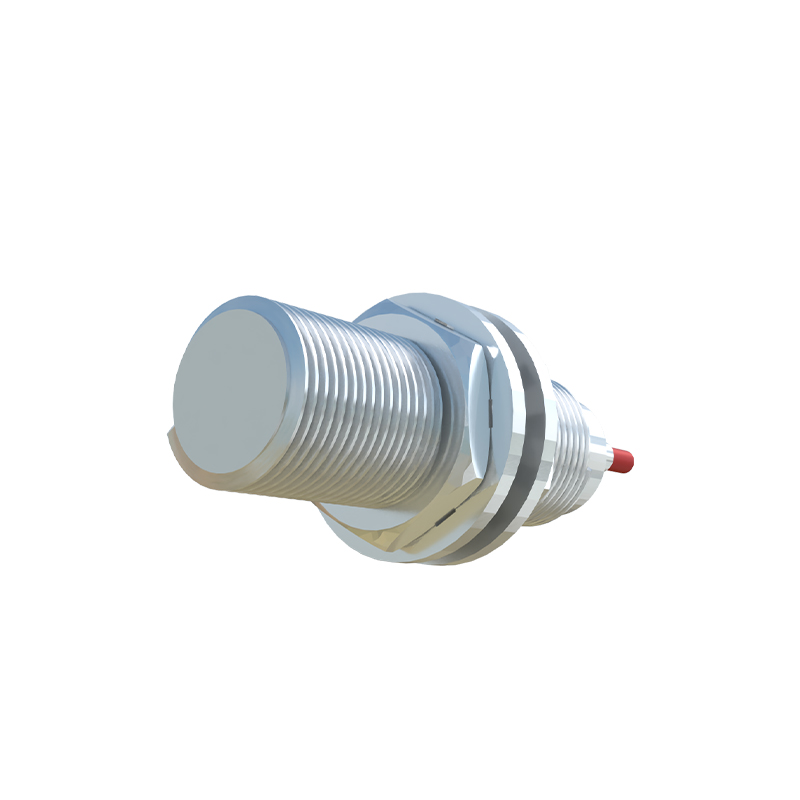
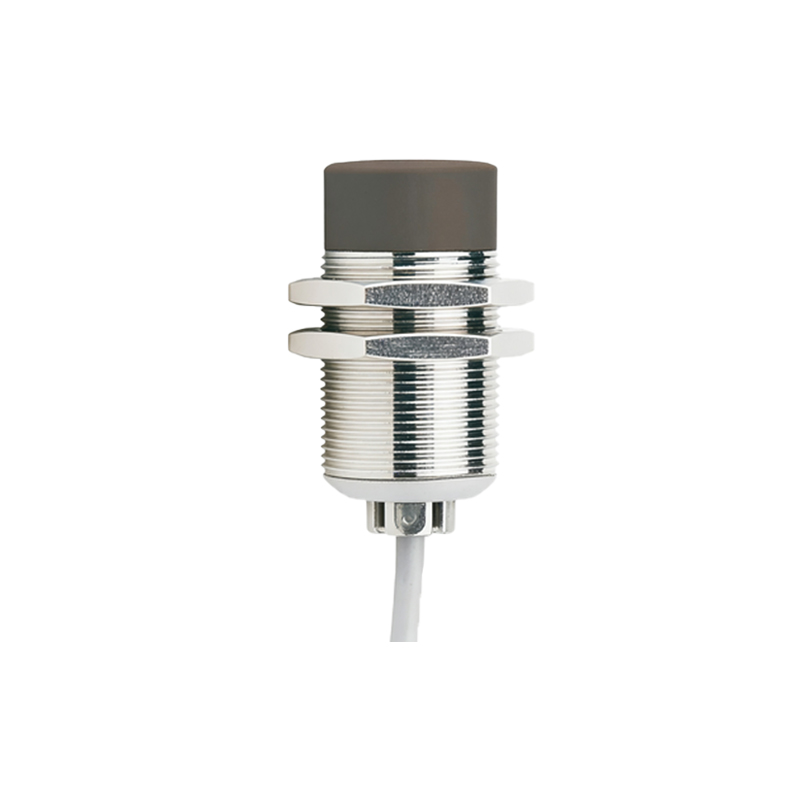
In manufacturing, square proximity sensors play a critical role in assembly line automation. They are used for part verification, ensuring components like bolts or panels are correctly positioned before welding or fastening. For example, in automotive plants, sensors detect engine blocks on conveyor belts, triggering robotic arms for precise handling. Their square housing fits neatly into machine frames, minimizing protrusions that could cause interference. Additionally, these sensors monitor tool wear by detecting the position of cutting heads in CNC machines, preventing downtime due to equipment failure. In packaging industries, they verify fill levels in containers, enhancing quality control by rejecting underfilled products without halting production.
Role in Safety and Monitoring Systems
Safety applications leverage square proximity sensors for machine guarding and access control. Mounted on doors or enclosures, they detect unauthorized entry into hazardous zones, immediately shutting down machinery to prevent accidents. Their robust design withstands impacts and environmental contaminants like oil or dust, common in industrial settings. In monitoring systems, sensors track the movement of automated guided vehicles (AGVs) along predefined paths, ensuring collision-free navigation in warehouses. By providing non-contact detection, they reduce mechanical wear compared to limit switches, lowering maintenance costs and improving system reliability over time.
Integration with IoT and Smart Factories
The rise of Industry 4.0 has expanded the use of square proximity sensors in IoT-enabled smart factories. Equipped with digital interfaces like IO-Link, these sensors transmit real-time data on object detection, temperature, or diagnostic status to central control systems. This allows for predictive maintenance, where anomalies in sensor performance trigger alerts before failures occur. In automated storage systems, sensors coordinate with RFID tags to manage inventory, optimizing logistics by tracking items from receiving to shipping. Their square form factor facilitates integration into modular setups, supporting scalable automation solutions that adapt to changing production demands.
Benefits Over Other Sensor Shapes
Compared to cylindrical sensors, square proximity sensors offer superior mounting flexibility, as their flat sides can be easily secured to surfaces with standard screws. This reduces installation time and costs, especially in high-density layouts. The shape also allows for larger sensing surfaces, improving detection consistency for irregularly shaped objects. In terms of durability, square housings often provide better resistance to torsional forces, extending lifespan in dynamic applications. Moreover, their aesthetic alignment with modern industrial equipment enhances system design coherence, a factor valued in automated facilities where space optimization is crucial.
Selection and Maintenance Tips
When selecting a square proximity sensor, consider factors like material compatibility, environmental conditions, and required sensing distance. For metal detection in wet areas, inductive sensors with stainless steel housings are preferred, while capacitive types suit non-metallic material handling. Regular maintenance involves cleaning sensing faces to prevent false triggers from debris buildup. Calibration checks ensure accuracy, particularly in precision tasks like robotic positioning. Implementing shielded versions minimizes electromagnetic interference in electrically noisy environments. Overall, proper selection and upkeep maximize sensor performance, contributing to efficient and uninterrupted industrial operations.
Future Trends and Innovations
Advancements in square proximity sensor technology focus on miniaturization and enhanced connectivity. Smaller sensors with embedded intelligence are emerging, enabling detection in ultra-compact machinery. Innovations like multi-parameter sensing combine proximity