Introduction to Cylindrical Photoelectric Sensors
Cylindrical photoelectric sensors are ubiquitous components in modern industrial automation, prized for their compact form factor, reliable performance, and versatility in object detection. These sensors operate on the principle of emitting a light beam—typically infrared, red, or laser—and detecting changes in the received light caused by the presence, absence, or specific characteristics of a target object. Their cylindrical housing, often conforming to standard diameters, makes them easy to install in machinery and production lines. The core functionality of these sensors is frequently augmented and fine-tuned through integrated or external rotary knobs, which provide a critical interface for on-site configuration by engineers and technicians.
The Role and Function of the Rotary Knob
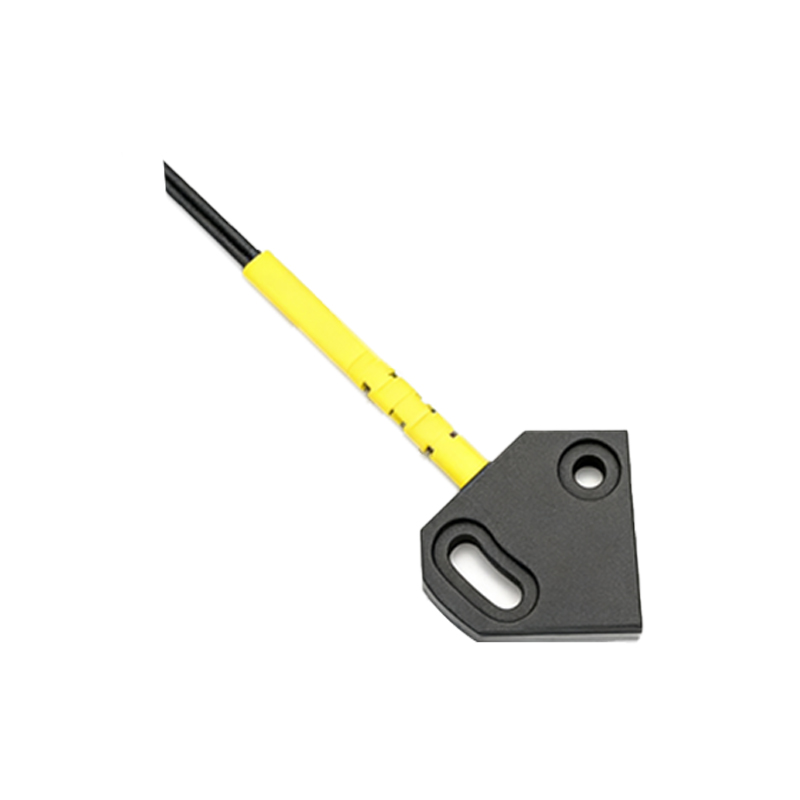
The rotary knob on a cylindrical photoelectric sensor is a precision adjustment mechanism designed to configure key operational parameters without the need for complex software or external programming devices. Its primary function is to set the sensitivity or threshold level of the sensor. By rotating the knob, the operator adjusts the amplifier's gain or the comparator's trigger point. This determines how much reflected or received light intensity is required for the sensor to switch its output state. In environments with varying target colors, surface finishes, or ambient light conditions, this adjustability is indispensable for ensuring consistent and error-free detection.
Key Parameters Adjusted via the Knob
Several critical sensing parameters are directly controlled through the rotary knob. The most common is detection sensitivity. A higher sensitivity setting allows the sensor to detect faint light reflections from dark or distant objects, while a lower setting prevents false triggers from background interference or highly reflective surfaces. For sensors with a timer function, the knob may also be used to set an on-delay or off-delay, controlling the timing between the detection event and the output signal. Some advanced models feature a dual-function knob or a push-and-turn mechanism to switch between adjusting sensitivity and setting a light-on/dark-on mode, which defines the logic of the output relative to the light beam state.
Practical Application Scenarios
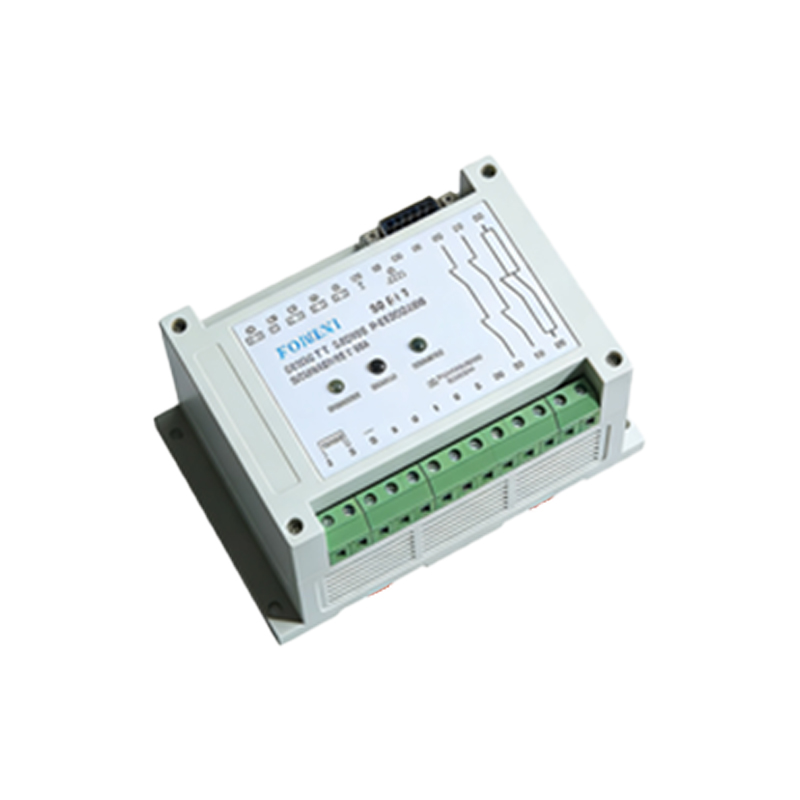
In practical industrial settings, the rotary knob enables rapid deployment and troubleshooting. On a packaging line, an engineer can quickly fine-tune a sensor to reliably detect transparent plastic bottles passing at high speed, compensating for their low reflectivity. In material handling, a sensor monitoring the fill level of granular material in a bin can have its sensitivity adjusted to account for dust accumulation on the lens. The ability to make these adjustments mechanically, often with a simple screwdriver or by hand, minimizes machine downtime. It empowers maintenance personnel to solve detection issues immediately, without waiting for a programming specialist or a laptop connection.
Technical Considerations for Optimal Use
Effective use of the rotary knob requires understanding its interaction with the sensor's internal circuitry. Most knobs control a potentiometer or a digital encoder linked to the sensor's microprocessor. When adjusting, it is best practice to start from the minimum sensitivity and gradually increase it until stable detection is achieved, then add a small safety margin. Environmental factors like temperature fluctuations can affect the light source and receiver, potentially requiring seasonal readjustments. Engineers must also consider the knob's resolution; a high-resolution knob allows for finer tuning but may be more sensitive to vibration. The physical design, including dust and waterproof seals (often meeting IP67 ratings), is crucial for the knob's longevity in harsh environments.
Advantages Over Fixed and Fully Digital Sensors
The inclusion of a rotary knob presents distinct advantages compared to both fixed-sensitivity sensors and fully digital, software-configured models. Against fixed sensors, the knob offers essential flexibility, allowing one sensor model to serve multiple applications, reducing inventory complexity. Compared to fully digital sensors requiring a programming interface, knob-equipped sensors offer superior simplicity and speed for basic adjustments. They provide an intuitive, tactile feedback that many operators prefer for quick changes. This hybrid approach—combining a simple analog-style adjustment for key parameters with the inherent digital intelligence of modern photoelectric sensors—strikes an optimal balance between functionality and user-friendliness in many industrial contexts.
Maintenance and Calibration Best Practices
Regular maintenance of the rotary knob mechanism is vital for sustained accuracy. Over time, dust, oil, or mechanical wear can affect the knob's performance. Periodic cleaning with appropriate solvents and checking for smooth rotation are recommended. For critical applications, a scheduled recalibration procedure should be established. This involves using a standardized test target at a fixed distance and documenting the knob position for the desired response. Some premium sensors feature a dual-color LED indicator that provides visual feedback during adjustment, flashing or changing color when the optimal sensitivity point is reached, greatly simplifying the calibration process and ensuring repeatable settings.
Future Trends and Integration
While the basic rotary knob remains highly relevant, its role is evolving with Industry 4.0. Future cylindrical photoelectric sensors may integrate smart knobs with digital readouts or Bluetooth connectivity, allowing adjustments to be logged and monitored remotely. The fundamental principle, however—providing a direct, reliable means for human operators to interact with and optimize sensor performance on the factory floor—will remain a cornerstone of practical industrial design. The cylindrical photoelectric sensor with its rotary knob exemplifies the perfect marriage of robust electromechanical engineering and user-centric design, continuing to be a vital component in automated systems worldwide.